02-10-2009: Converting the trash that fills the world's landfills into biofuel may be the answer to both the growing energy crisis and to tackling carbon emissions, claim scientists in Singapore and Switzerland. New research published in Global Change Biology: Bioenergy, reveals how replacing gasoline with biofuel from processed waste could cut global carbon emissions by 80%.
Biofuels produced from crops have proven controversial because they require an increase in crop production which has its own severe environmental costs. However, second-generation biofuels, such as cellulosic ethanol derived from processed urban waste, may offer dramatic emissions savings without the environmental catch.
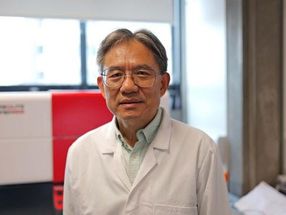
"Our results suggest that fuel from processed waste biomass, such as paper and cardboard, is a promising clean energy solution," said study author Associate Professor Hugh Tan of the National University of Singapore. "If developed fully this biofuel could simultaneously meet part of the world's energy needs, while also combating carbon emissions and fossil fuel dependency."
The team used the United Nation's Human Development Index to estimate the generation of waste in 173 countries. This data was then coupled to the Earthtrends database to estimate the amount of gasoline consumed in those same countries.
The team found that 82.93 billion litres of cellulosic ethanol could be produced from the world's landfill waste and that by substituting gasoline with the resulting biofuel, global carbon emissions could be cut by figures ranging from 29.2% to 86.1% for every unit of energy produced.
"If this technology continues to improve and mature these numbers are certain to increase," concluded co-author Dr. Lian Pin Koh from ETH Zürich. "This could make cellulosic ethanol an important component of our renewable energy future."
Watchlist
This is where you can add this news to your personal favourites
A team of pioneering South Korean scientists have succeeded in producing the polymers used for everyday plastics through bioengineering, rather than through the use of fossil fuel based chemicals. This groundbreaking research, which may now allow for the production of environmentally consci ... more
In the past, restoration of paintings and other old artwork often involved application of acrylic resins to consolidate and protect them. One of the most important tasks for modern restorers is thus to remove these layers, because it turns out that acrylic resins not only drastically change ... more
Converting the trash that fills the world's landfills into biofuel may be the answer to both the growing energy crisis and to tackling carbon emissions, claim scientists in Singapore and Switzerland. New research published in Global Change Biology: Bioenergy, reveals how replacing gasoline ... more
Abstract
The mechanism by which small molecules assemble into microscale tubular structures in aqueous solution remains poorly understood, particularly when the initial building blocks are non‐amphiphilic molecules and no surfactant is used. It is here shown how a subnanometric molecule ... more
The image illustrates a natural phenomenon of droplet formation caused by the condensation of vapor on a nonwettable surface at temperature below the dew point. Real‐time observing the light scattered from the droplets may lead to a new mechanism for vapor sensing. However, the dew point ... more
NO is a key vasodilator in mammalian cardiovascular systems and has been shown to sensitize tissue to γ‐radiation. However, photochemical NO precursors that can be activated by these NIR wavelengths are extremely limited. G. D. Stucky, D. Zhao, P. C. Ford, F. Zhang and co‐workers have ad ... more
Blood, paint or ketchup are complex liquids composed of several different components. For the construction of pumps, or the improvement of technical processes scientists and engineers need description models. They make the special properties of such liquids predictable. Researchers at the T ... more
Saudi Basic Industries Corporation (SABIC) has further demonstrated its growth commitment by expanding its multi-year agreement with Swiss Federal Institute of Technology (ETH), under an umbrella agreement for multiple future projects in a wide range of areas in technology and innovation.
S ... more
Swiss scientists have created a minor sensation in synthetic chemistry. The team of scientists from ETH Zurich and Empa, the Swiss Federal Laboratories for Materials Science and Technology, succeeded for the first time in producing regularly ordered planar polymers that form a kind of «mole ... more
Physicists have proposed an experiment that could force us to make a choice between extremes to describe the behaviour of the Universe. The proposal comes from an international team of researchers from Switzerland, Belgium, Spain and Singapore, and is published in Nature Physics. It is base ... more
Single-sheet graphene dispersion when substantially spaced apart in liquid cells or solid film matrices can exhibit novel excited state absorption mechanism that can provide highly effective broadband optical limiting well below the onset of microbubble or microplasma formation.In a breakth ... more
Converting the trash that fills the world's landfills into biofuel may be the answer to both the growing energy crisis and to tackling carbon emissions, claim scientists in Singapore and Switzerland. New research published in Global Change Biology: Bioenergy, reveals how replacing gasoline ... more