New device warns workers of high levels of airborne metals in minutes rather than weeks
Advertisement


Scientists are reporting development of a new paper-based device that can warn workers that they are being exposed to potentially unhealthy levels of airborne metals almost immediately, instead of the weeks required with current technology. The report on the device, which costs about one cent to make and could prevent illness in the millions of people who work with metal, appears in ACS' journal Analytical Chemistry.
Charles Henry and colleagues explain that worldwide, job-related respiratory illnesses are associated with about 425,000 deaths each year. Airborne metals are a major cause of these respiratory conditions. Millions of workers handle metals on a regular basis in construction, manufacturing and transportation jobs, and small bits of these metals can get into the air as a fine mist, which workers can inhale. Airborne metal exposure is linked to lung and liver cancers, respiratory conditions (asthma, emphysema and bronchitis) and immune disorders. Despite the seriousness of this issue, people have used the same metal-monitoring method for the past 25 years. The current method is expensive, and the analysis takes weeks. To overcome these challenges, the researchers developed an inexpensive device made of paper that reports results at levels relevant to human health almost immediately. This gives workers a chance to leave a potentially dangerous area before it is too late.
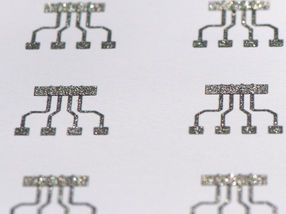
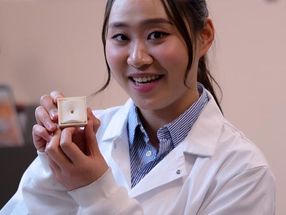
The researchers obtain air samples on a small disc of paper, then put this disc onto the center of the paper-based device, called a μPAD, or micro-PAD. Water is dripped onto the disc, and the metals in the sample are wicked onto the μPAD, where they come into contact with various chemicals already impregnated into the paper. These substances react with the metals and turn different colors, depending on which metals are present. The device accurately determined the amounts of iron, nickel and copper in the air in laboratory tests.


Other news from the department science