
Max-Planck-Institut für Mikrostrukturphysik
About MPI für Mikrostrukturphysik
The experimental and theoretical work at the Max Planck Institute of Microstructure Physics focuses on solid-state phenomena that are determined by small dimensions, surfaces and interfaces. The investigations aim to elucidate the relationships between the magnetic, electronic, optical and mechanical properties of solids and their microstructure. Thin films and surfaces are investigated as well as nanocrystalline materials, phase boundaries and defects in crystals. The research results will provide the necessary information for the creation of new and improved functional or structural materials that can be used, for example, in sensor technology, optoelectronics and microelectronics.
Note: This article has been translated using a computer system without human intervention. LUMITOS offers these automatic translations to present a wider range of company presentation. Since this article has been translated with automatic translation, it is possible that it contains errors in vocabulary, syntax or grammar. The original article in German can be found here.
- Industry : Chemistry
News about MPI für Mikrostrukturphysik


Here you will find Max-Planck-Institut für Mikrostrukturphysik
Last viewed contents

Charged “molecular beasts” the basis for new compounds - Researchers use “aggressive” fragments of molecular ions for chemical synthesis
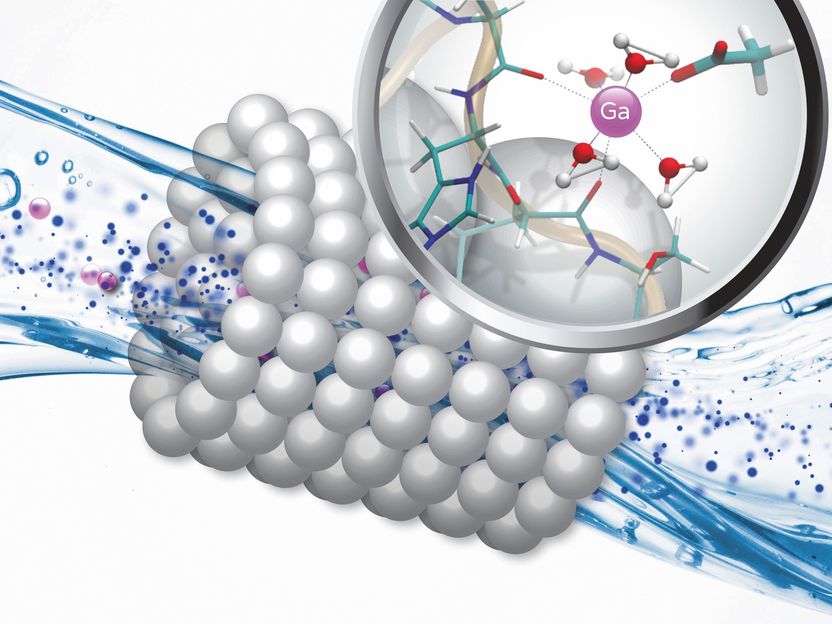
Recycle high-tech waste biologically - Innovative biotechnological process extracts gallium from industrial wastewater

New technology for liquid-crystal displays
Initial energy efficiency index for the German Industry published - High sensitivity – little action
First brew beer, then store energy - Chemists create carbon materials for energy storage device from brewery waste

Artificial Intelligence has learned to estimate oil viscosity - Indirect measurements are a lucky alternative for a variety of sectors
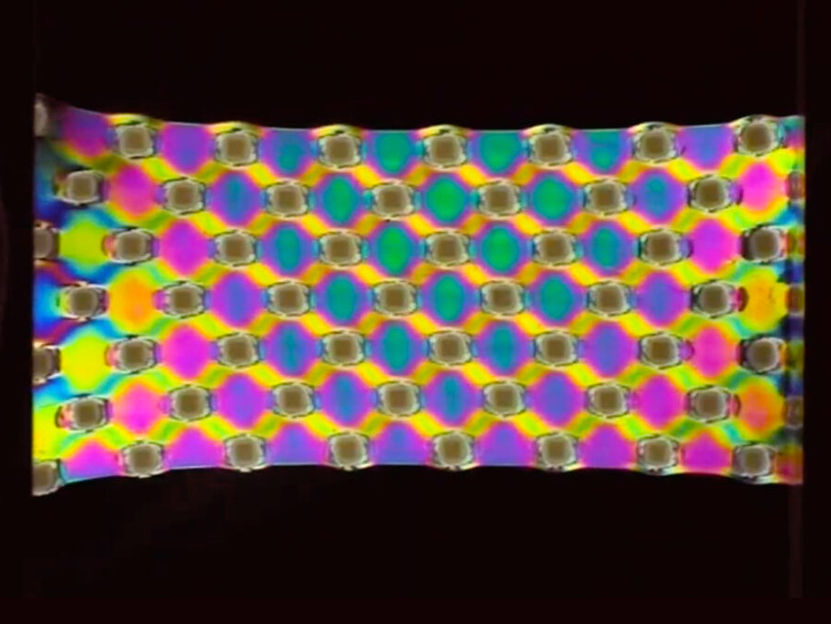
‘Smart plastic’ material is step forward toward soft, flexible robotics and electronics - A new plastic-like material can be manipulated to be soft and stretchy or hard and rigid with only the application of a catalyst and visible light
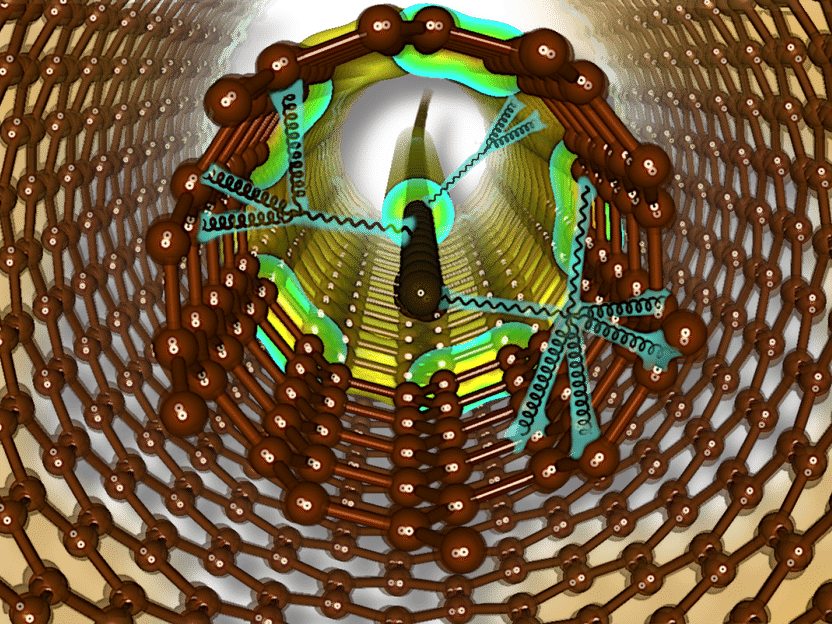
Exotic vibrations in new materials - New insights show universal applicability of carbyne as a sensor
BASF increases price for Vitamin B2

First controllable nanoscale gas-liquid interface fabricated
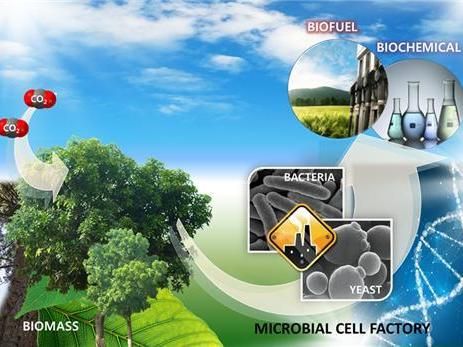
Biodiesel made from discarded cardboard boxes - Development of a microorganism that doubles the yield of biodiesel precursor production using genetic scissors and based on the principles of evolution
