Self-powered herbicide biosensor
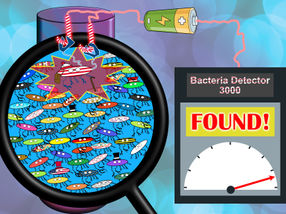
A self-powered biosensor that can detect herbicides in water has been developed by US scientists. Most commercial herbicides act by inhibiting photosynthesis in plants. Unfortunately, photosynthetic aquatic microorganisms and aquatic plants are also similarly affected, which is why herbicides are a concern as water pollutants. Long term exposure to contaminated drinking water can also be hazardous to humans. Current methods to detect herbicides often require a pre-concentration step and extended analysis time. Other self-powered sensors use enzymatic biofuel cells, but they are not the only electrochemical energy conversion system that contains enzymes that can be initiated or activated.
Here, the team has used thylakoid membranes, which are found in cyanobacteria and the chloroplasts of plants, and contain the redox complexes that are responsible for the light-dependent reactions of photosynthesis. The sensor contains bio-solar cell incorporating thylakoid membranes at the bioanode for direct photoelectrocatalysis with an air-breathing platinum cathode. The bio-solar cell produces power in the sunlight and the photosystem is interrupted in the presence of herbicides, causing a decrease in current. The team detected several commercial herbicides with the sensor.
Other news from the department science

















Get the chemical industry in your inbox
From now on, don't miss a thing: Our newsletter for the chemical industry, analytics, lab technology and process engineering brings you up to date every Tuesday and Thursday. The latest industry news, product highlights and innovations - compact and easy to understand in your inbox. Researched by us so you don't have to.
Most read news











More news from our other portals


























See the theme worlds for related content
Topic world Sensor technology
Sensor technology has revolutionized the chemical industry by providing accurate, timely and reliable data across a wide range of processes. From monitoring critical parameters in production lines to early detection of potential malfunctions or hazards, sensors are the silent sentinels that ensure quality, efficiency and safety.

Topic world Sensor technology
Sensor technology has revolutionized the chemical industry by providing accurate, timely and reliable data across a wide range of processes. From monitoring critical parameters in production lines to early detection of potential malfunctions or hazards, sensors are the silent sentinels that ensure quality, efficiency and safety.
