Start-up Entrepreneurs Want to Make Chemical Industry More Sustainable
Advertisement


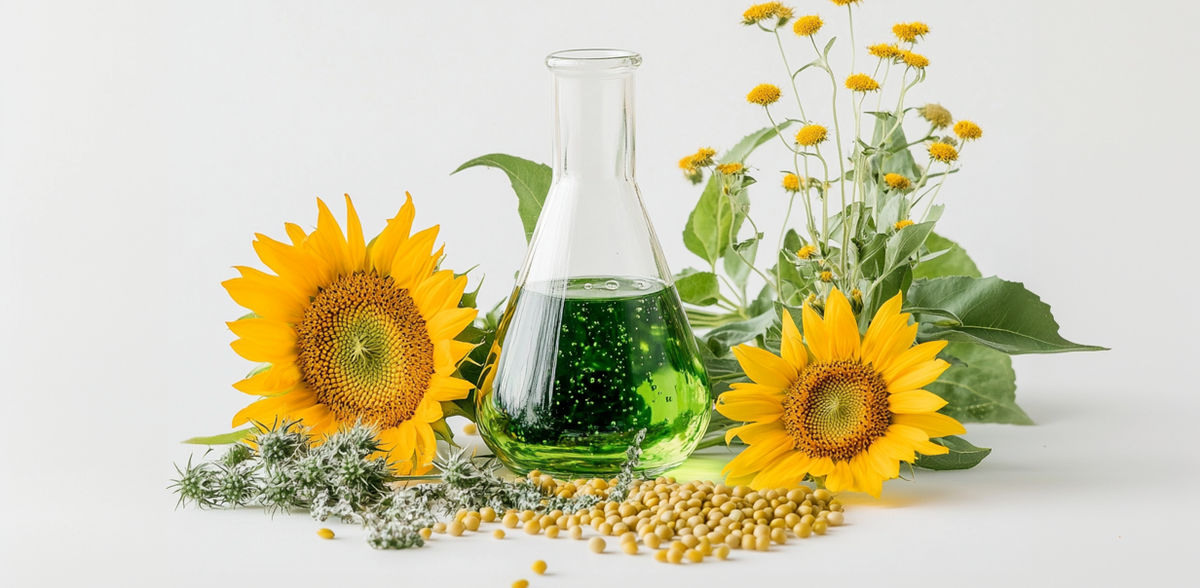
To date, the chemical industry has been dependent on fossil resources, but these are finite, and their use is detrimental to the climate. That is why researchers from the Department of Biochemical and Chemical Engineering at TU Dortmund University are developing processes for treating renewable raw materials, such as vegetable oils, in such a way that industry can use them as a universal platform chemical. Maximilian Spiekermann, Jens Ehlhardt and Marén Schwandt now want to turn their technology into a practical application and make it available to the commercial sector. In October, the Federal Government awarded Simplyfined, their start-up project, funds of around 1.7 million euros for two years within the “EXIST Transfer of Research” program.

Maximilian Spiekermann, Jens Ehlhardt, Max Krause and Marén Schwandt (from left to right) want to establish their own company, called Simplyfined, and make the chemical industry more sustainable through the use of renewable plant-based raw materials.
© Tobias Bucher
It is already known that oleochemicals, among them vegetable oils, can in theory be used in numerous products in the chemical industry, including plastics, lubricants, cosmetics and pharmaceuticals. A problem here, however, is that the oils consist of various unsaturated fatty acids and only the monounsaturated ones are usable in downstream processes. This is because the polyunsaturated fatty acids act as catalyst poisons in further conversions. “We have now developed a process that converts all polyunsaturated fatty acids into valuable oleic acid. By doing so, we not only solve the problem of catalyst poisoning but also significantly increase the proportion of usable resources,” says Maximilian Spiekermann, one of Simplyfined’s founders.
Plans for a fully continuous pilot plant
In addition, the catalyst activity is so high that even low temperatures and pressures are sufficient for the process to work, meaning that energy consumption is low. Thanks to the new technology, which incorporates various vegetable oils – from rapeseed and soy to sunflower and thistle to hemp and algae – into a bio-based value chain, the chemical industry is expected to become more sustainable and climate neutral. The researchers have meanwhile optimized the processes and reduced the costs to such an extent that using the technology would be economically viable for companies, too.
To bring their development onto the market, Maximilian Spiekermann, Jens Ehlhardt and Marén Schwandt, as well as Max Krause, who completes the team, are currently preparing to establish Simplyfined as a company. They have been awarded funds of 1.7 million euros from the “EXIST Transfer of Research” program. The goal for the next two years is to build and test a fully continuous pilot plant with an annual capacity of up to 250 tons. The team also wants to create a product portfolio, establish partnerships with other companies and conduct further experimental research.
Award for Simplyfined
Simplyfined has already celebrated its first successes: In September, the team came first in the TU Start-up Award, which is organized by the Center for Entrepreneurship & Transfer (CET) at TU Dortmund University and worth 6,000 euros, as well as the audience award worth 1,000 euros. The test runs and feedback from industry have also been positive, reports Max Krause: “So far, we’ve been able to apply the process to every vegetable oil we’ve tested, and implementation with potential customers is also showing very promising results.” The CET is helping them to set up their business.
Simplyfined has its origins in Renewlysis, Dr. Thomas Seidensticker’s project group at the Department of Biochemical and Chemical Engineering, for which the Federal Ministry of Food and Agriculture has awarded funding of around 1.9 million euros.


Other news from the department business & finance










Most read news












More news from our other portals




























Something is happening in the chemical industry ...
This is what true pioneering spirit looks like: Plenty of innovative start-ups are bringing fresh ideas, lifeblood and entrepreneurial spirit to change tomorrow's world for the better. Immerse yourself in the world of these young companies and take the opportunity to get in touch with the founders.
Last viewed contents
Oxea receives European Product Leadership Award for its Phthalate-free Plasticizer product range

The 2-D form of tungsten ditelluride is full of surprises
Sophisticated monitoring array to address mystery of uranium plume - Groundwater contamination remains significantly unchanged for 10 years
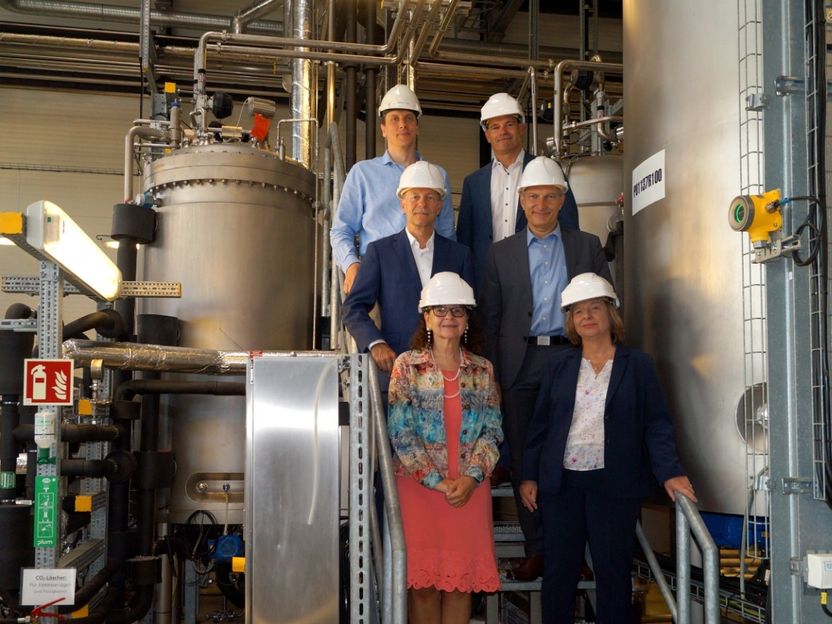
CO₂ recycling powers a new palm oil alternative for the cosmetics industry - The Mibelle Group, LanzaTech, and Fraunhofer IGB have successfully produced a sustainable fat from CO₂ as a replacement for palm oil

Claus Rettig to serve as interim CEO of Evonik - Christian Kullmann on the road to recovery
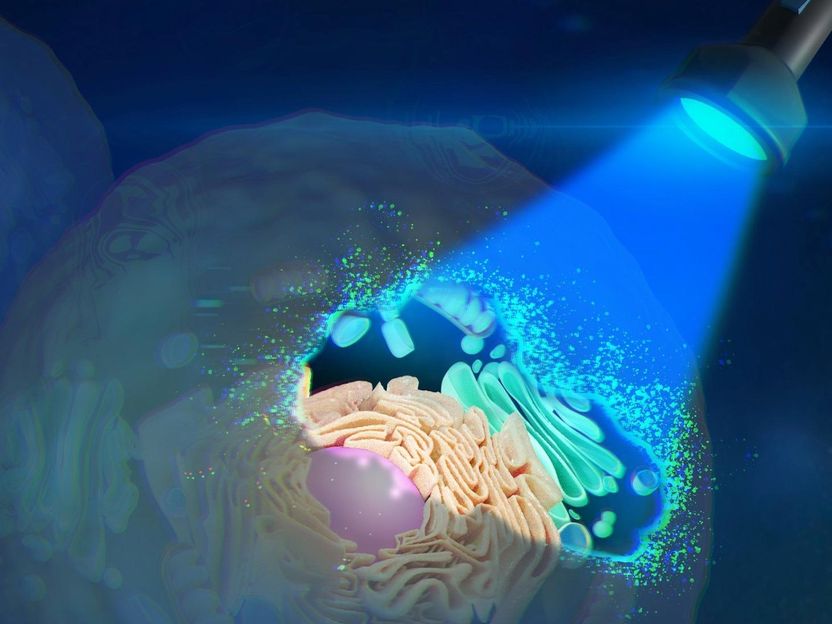
The Power of light: How light can be used to control processes in synthetic cells

Breakthrough in research on production of 2D crystals with excellent optical properties - Flat crystals showing uniform parameters over the entire surface, including - most valuably - excellent optical properties
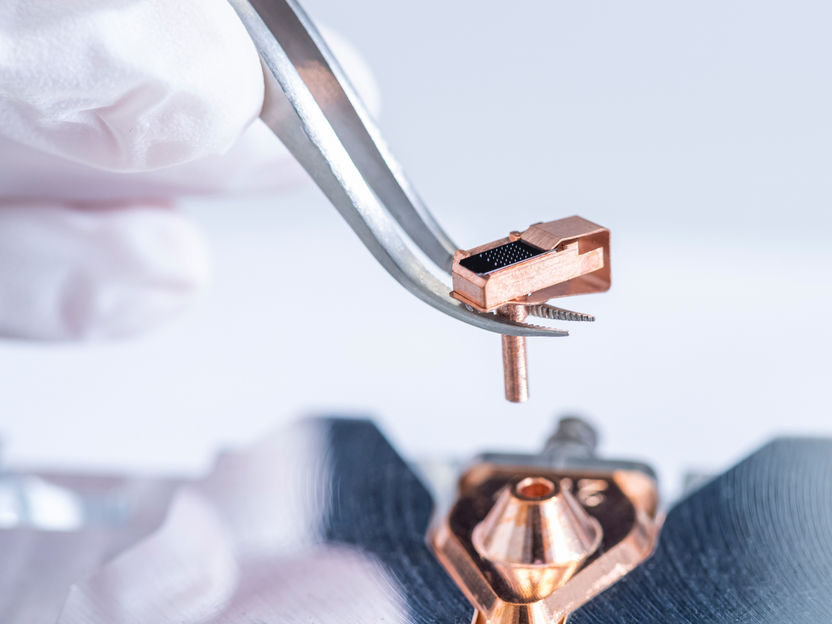
Extending the Lifespan of Electrocatalysts

Meteorites reveal likely origin of Earth’s volatile chemicals - Outer Solar System played a bigger role than previously thought

Metal-ion catalysts and hydrogen peroxide could green up plastics production
Click & Try: A Failed Experiment and Chance Opened up new Paths to an Established Reaction for Chemists - Freed from the Niche with Click Chemistry