Closure of the Strait of Hormuz exacerbates cost pressure in the chemical industry
"Chemistry is struggling, pharma is preparing for even greater challenges"

Advertisement


The chemical-pharmaceutical industry got off to a weak start in 2026. Seasonally adjusted production fell by 2.8% in the first quarter. This was almost 6% lower than in the previous year. The main reason for this was the significant decline in pharmaceutical production after companies used pull-forward effects in 2025 due to the threat of US tariffs. chemical production, on the other hand, increased slightly. However, it remained below the previous year's level. At 75.1%, capacity utilization remained unprofitable. job cuts continued.
A sustainable recovery is not in sight
High energy, raw material and transportation costs are weighing on the industry as a result of the conflict in the Middle East. The closure of the Strait of Hormuz is exacerbating supply chain problems and driving up oil, gas and naphtha prices. In parts of the chemicals business, there is a temporary upturn in demand due to precautionary orders. However, the VCI does not expect a sustained recovery this year.
VCI Managing Director Wolfgang Große Entrup comments: "The chemical industry is struggling, pharma is preparing for even greater challenges. A few stable figures are not a turnaround. We are not seeing a mood of optimism, but geopolitical hoarding. This is a panicked interim peak from which parts of the chemical industry are also benefiting in the short term. The plain truth is that the chemical industry is still under constant stress - burdened by untamed bureaucracy, high costs and global turbulence. Germany will continue to lose competitiveness if Berlin and Brussels do not take countermeasures. We have little influence on geopolitical crises - but we do have influence on the conditions in which we operate. The policy of small steps is no longer enough. Strong leadership, reliability and a clear industrial policy course are now crucial. This also applies to China. The massive increase in capacity and state-subsidized production are putting Europe's industry under increasing pressure and hitting many sectors hard. However, it is also clear that comprehensive isolation and new trade barriers are not a good solution. What is important is that the existing trade protection instruments must first be used effectively - this is the only way to help quickly. Europe needs a self-confident and fair approach to China - with instruments that effectively limit distortions of competition without jeopardizing international value chains."
The figures at a glance:
- In view of the geopolitical risks, a reliable forecast is currently only possible to a limited extent. The VCI still expects 2026 to be a difficult year: production is likely to fall again for the year as a whole. Although rising prices could support sales, margins will remain under pressure.
- Seasonally adjusted, chemical-pharmaceutical production fell by 2.8% in the first quarter of 2026 compared to the previous quarter and was almost 6% down on the previous year. Pharmaceuticals significantly dampened earnings, while chemicals grew slightly. Capacity utilization rose slightly to 75.1% - but remains below a profitable level.
- The downward trend in producer prices was halted: compared to the previous quarter, there was a slight increase of 0.2%. Compared to the previous year, however, prices were still around 1% lower. At the same time, cost pressure intensified significantly: prices for crude oil and crude oil-related products in particular rose sharply.
- Seasonally adjusted turnover rose by 2.1% to 50.9 billion euros. However, it was 5.4 percent below the previous year's figure. Additional orders at the beginning of the year partly indicate precautionary orders and stockpiling in view of the escalation in the Gulf.
Note: This article has been translated using a computer system without human intervention. LUMITOS offers these automatic translations to present a wider range of current news. Since this article has been translated with automatic translation, it is possible that it contains errors in vocabulary, syntax or grammar. The original article in German can be found here.


Other news from the department business & finance










Most read news











More news from our other portals



























Last viewed contents
Syngenta launches new fungicide to combat severe soybean disease in Brazil
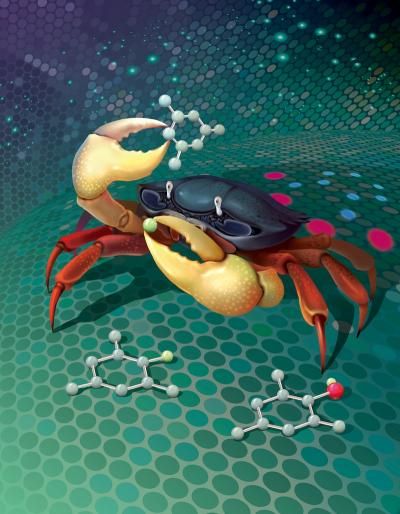
Chemical reaction could streamline manufacture of pharmaceuticals and other compounds - The reaction resolves a long-standing challenge in organic chemistry

Maternal exposure to chemicals linked to autistic-like behaviours in children
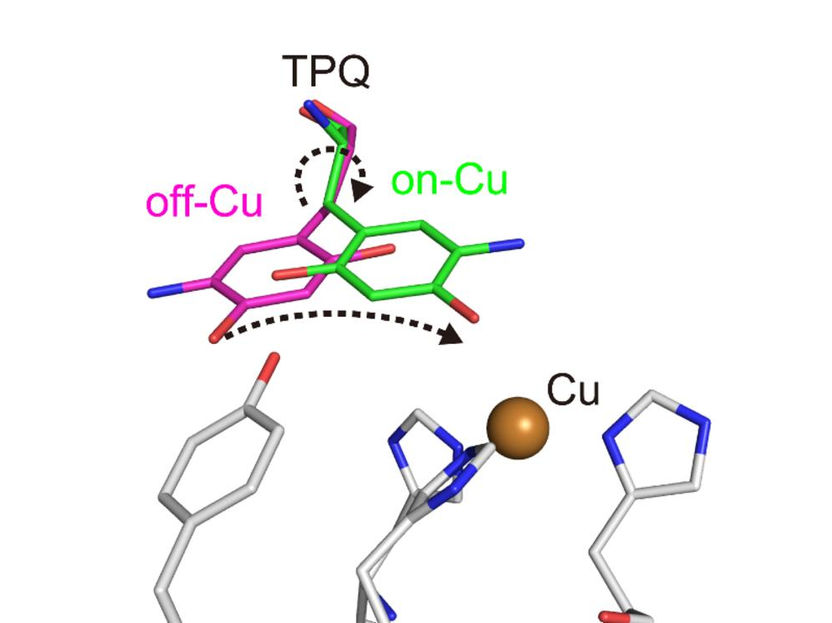
Imaging the smallest atoms provides insights into an enzyme's unusual biochemistry - This could help in the design of enzymes for the chemical industry
With the Technology Center, L. B. Bohle merges all steps of continuous production for the first time
Vitamins doing gymnastics: Scientists capture first full image of vitamin B12 in action - Work by University of Michigan and MIT team yields new understanding of crucial reaction in the body and in CO2-scrubbing bacteria
FEI's Quanta SEMs and Malvern's Advanced Particle Analysis Software Combine to Deliver Solution for Nanoscale Applications
CIM midsummer survey: Global chemicals industry continues to be optimistic
USC scientists turn a harmful greenhouse gas into a tool for making pharmaceuticals - New technique finds a use for ozone-destroying chemical waste product
ULTRA Scientific inorganic standards available through LGC Promochem - The optimum standards for tracing inorganic contaminants in soil, sediment, water, oil, plants and food materials
Improving the degradation of toxic hydrocarbons - Initiation of a worldwide research project under the direction of the HZI