Shaking off fluorochemicals from outdoor and protective clothing
Most treated clothing over-engineered for consumer purposes
Advertisement


Rain-repelling fluorochemicals used in waterproof clothing can and should be phased out as unnecessary and environmentally harmful, textile researchers argue. And yet they remain the only effective option for medics and emergency service personnel.

Functional clothing, symbolic picture
Free-photo; pixabay.com; CC0
New research demonstrates how waterproofs using highly fluorinated chemicals are over-engineered for consumers, building in unnecessary resistance to oil and other stains, when only resistance to rainwater is required. The team - from Leeds and Stockholm - say effective alternatives to harmful fluorochemicals used in durable water repellents (DWRs) for waterproof clothing are readily available.
Dr Richard Blackburn, who heads the Sustainable Materials Research Group at the University of Leeds' School of Design, said: "Environmentally-friendly and biodegradable solutions are available, but are being resisted by some manufacturers and retailers."
The reasons for this were unclear, he said, putting it down to a lack of information and appropriate technical research demonstrating the effectiveness of sustainable alternatives, as well as a lack of engagement with consumers. In the new research, a survey of 300 outdoor clothing users revealed that most consumers only look for water repellency from their gear, not stain resistance.
"Non-fluorinated alternatives are a viable option in all cases where stain repellency is not an essential function," Dr Blackburn added. "These alternatives provide excellent rain protection, and there are long-term ecological benefits from phasing out the highly fluorinated chemicals."
Fluorochemical repellents were shown to be the only effective option for clothing worn by medical staff to protect against infection spread by bodily fluids, and by military, firefighting or oil and gas industry personnel seeking protection against chemical contamination. The study's co-author Philippa Hill, a PhD researcher from the School of Design at Leeds, said there was still room for innovation when it came to eliminating fluorochemicals from protective clothing worn by people in hazardous circumstances.
"Currently, only fluorinated chemicals can provide the high levels of protection needed from other types of liquids such as oils, chemicals, and bodily fluids, so there is a major opportunity for future innovation in that area," she added.
In this collaborative research - the most detailed study of its kind - Ms Hill from Leeds and co-author Steffen Schellenberger, a fellow PhD researcher, from Stockholm University, developed an innovative new testing method and applied different waterproof finishes to test fabric before measuring resistance to a wide range of fluids - water, orange juice, red wine, olive oil, synthetic blood and gastric fluid, and cough medicine.
Fabric treated with non-fluorinated repellents was shown to be resistant to water-based stains such as orange juice and red wine, but gave no repellency to oil-based stains.
When it came to medical fluids, non-fluorinated repellents showed some resistance to synthetic blood and cough medicine, but none for gastric fluid.
The researchers' innovative "roll-off" method assessed repellency with movement, which more accurately reflected clothing as it is worn.
The paper points out that the textile and clothing industry uses a quarter of all chemicals produced globally and is known to be a large contributor to environmental pollution.
Concerns have been raised about waterproofing fluorochemicals finding their way into the environment during their production, as well as during the life of a garment - through washing and microfibre shedding - and when it is disposed of.
All highly fluorinated chemicals are extremely persistent in the environment, and some have been associated with health problems in humans.
"We want to help textile producers and retailers to develop better garments that also have minimal environmental impact," said co-author Professor Ian Cousins from Stockholm University. "It is important to look into the necessary functionality and durability, otherwise people won't buy the greener alternatives."
Original publication
Steffen Schellenberger and Philippa J. Hill and Oscar Levenstam and Philip Gillgard and Ian T. Cousins and Mark Taylor and Richard S. Blackburn; "Highly fluorinated chemicals in functional textiles can be replaced by re-evaluating liquid repellency and end-user requirements"; J Cleaner Production; 2019


Other news from the department science




















Most read news












More news from our other portals


























Last viewed contents
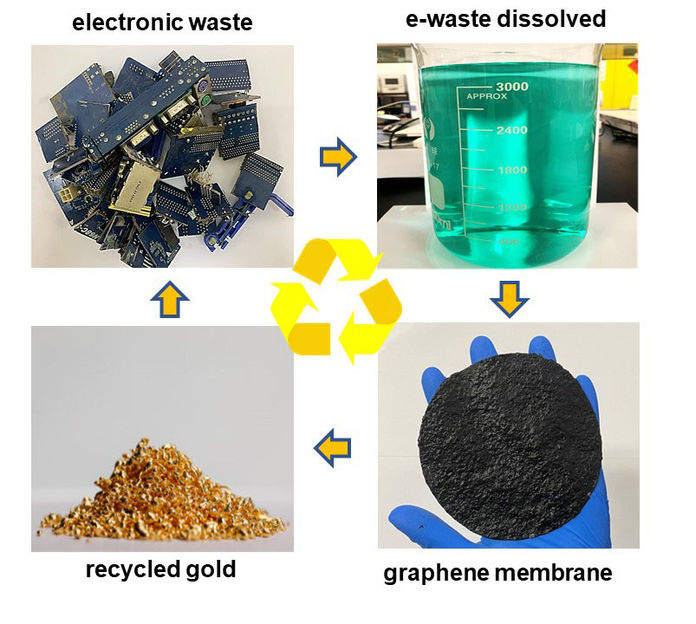
Graphene as 'the philosopher’s stone’: turning waste into gold - "This apparent magic is essentially a simple electrochemical process"

Cleaner air as a result of coronavirus lockdown - Lockdowns in early summer 2020 meant that the amount of soot in the atmosphere, which is harmful to the climate and to health, almost halved
DSM and Chemtrix sign collaboration agreement in Continuous Flow Chemistry

Jülich Neutron Scientists Inaugurate Unique Device in the USA - European researchers obtain access to world’s strongest neutron source
LANXESS strengthens commitment to renewable raw materials with investment in BioAmber - Companies have developed phthalate-free plasticizers from bio-based succinic acid

Plasma acceleration: It’s all in the mix - A pinch of nitrogen and artificial intelligence are moving laser plasma acceleration a big step closer to practical applications

Univar Solutions to be Acquired by Apollo Funds for $8.1 Billion

First experimental evidence of 3-D aromaticity in stacked antiaromatic compounds

Anton Paar acquires product line for particle characterization
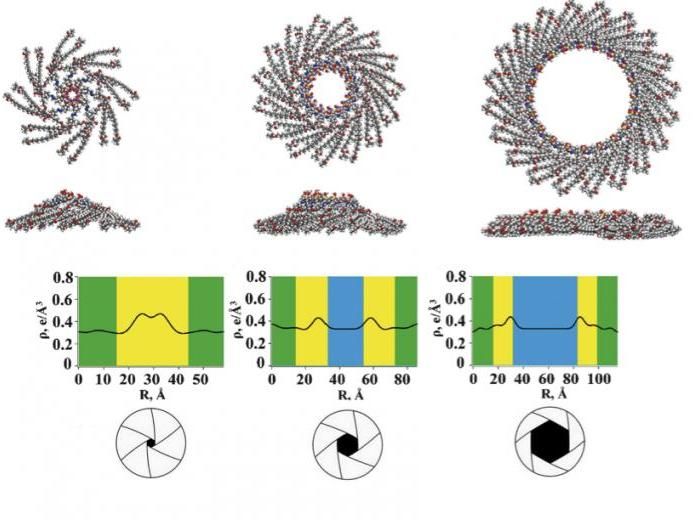
Physicists come up with a way to make cleaner fuel cells

Novel hybrid nanocages for faster catalysis - Hybrid bio-nanocages could effectively catalyze reactions to yield industrially important products