Wood pellets: Renewable, but not carbon neutral
Advertisement


A return to firewood is bad for forests and the climate. So reports William Schlesinger, President Emeritus of the Cary Institute of ecosystem Studies, in an Insights article published today in the journal Science.

Turning forests into fuel comes at a cost to the environment.
Antonia Gravante
In the race to meet clean energy standards, biomass energy is often touted as carbon neutral. To satisfy European Union (EU) demand, forests in the United States are turned into wood pellets and shipped overseas, to the tune of 7 million metric tons annually. When these pellets are burned in the EU, the electricity they generate helps fulfill Paris Agreement commitments.
The stage is also being set for a potential uptick in biomass energy in the US, as Congress may declare biomass carbon neutral in an effort to revive the American forest product industry. A tax on fossil carbon would further incentivize US demand for wood pellets.

But turning forests into fuel has hard limitations. Accounting for biomass energy often ignores the critical role forests play as a sink for carbon dioxide that might otherwise accumulate in the atmosphere. As Schlesinger reports, each year, an estimated 31% of the carbon dioxide emitted from human activities is stored in forests.
Native forests store more carbon dioxide than their plantation counterparts. Harvested pellets require fossil energy during manufacturing and overseas shipping. As Schlesinger explains, "The benefits of wood power must be discounted by the loss of the carbon sequestration that would have occurred in the original forests if they had not been harvested."
He notes, "It makes no sense to have Europeans embracing wood pellets as carbon neutral, while overlooking the carbon dioxide emitted during shipment and the losses of carbon storage from forests in the United States."
Then there is biodiversity to consider. In the southeastern US, pine plantations are a major source of pellet wood. Yet pines are of limited value in preserving the region's rich biodiversity. As demand for wood pellets rises, old growth forests are also put under pressure of harvest. A myriad of species rely on these globally rare ecosystems.
Schlesinger concludes, "Ultimately, the question is what kinds of forests are most desirable for the future. Recent research indicates that unless forests are guaranteed to regrow to carbon parity, production of wood pellets for fuel is likely to put more carbon dioxide into the atmosphere and preserve fewer species on the landscape during the next several decades."
Biomass shortfalls include:
Fossil fuels power wood pellet export . Wood pellets produced in managed forests in the southern hemisphere are shipped to Europe where they are burned. The amount of energy required to power this shipping process can account for 25% of the total carbon emissions associated with biomass-fueled energy generation in Europe.
Timber plantations do not store as much carbon as natural forests . It would take 40-100 years for a managed forest to store as much carbon as a natural one. Trees planted to produce wood pellets are often cut within 20 years, which is not enough time for them to take in the carbon released by the harvest and combustion of the previous 'generation' of natural forest.
Monoculture degrades biodiversity . Timber plantations, which are typically dominated by a single tree species, cannot support the diversity of life found in natural forests. Also, increasing demand for wood pellets drives up the price of raw wood, incentivizing the harvest of biologically diverse old-growth forests.
Cleared forests are vulnerable to non-forest development . New trees are not always planted where forests have been cut for fuel. In such cases, the carbon sequestration potential of the existing forest is completely eliminated.


Other news from the department science




















Most read news












More news from our other portals


























Last viewed contents

Researchers discover an alternative to PEG - rPEG as a new type of Poly(ethylene glycol): random chains offer multiple advantages for medical application
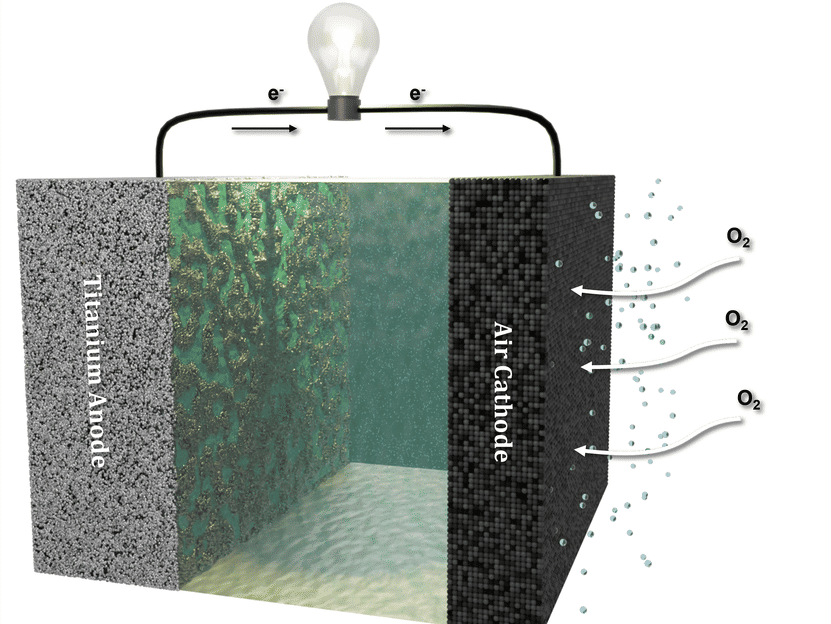
Researchers Test Novel Titanium-Air Battery - This is the first time that experimental results of such a battery have been published

MXenes for energy storage: Chemical imaging more than just surface deep
Map of 224 European biorefineries published - BIC and nova-Institute showing european bio-production landscape

Breadcrumbs replace fossil hydrogen in chemical production - A one-pot microbial formula, which uses live microbes, eliminates the need for fossil fuels in hydrogenation

Nobel Prize in Physics for foundational discoveries and inventions in machine learning - John J. Hopfield and Geoffrey E. Hinton trained artificial neural networks using physics
New glass with supreme toughness
RCT Reichelt Chemietechnik | Hose pumps | Reichelt Chemietechnik
LANXESS to expand its operations in the Netherlands - EUR 12 million investment in Geleen site

Grand finale of Ilmac Basel - Confirmed as the leading platform for chemistry and life sciences with 12,800 participants
Cellular powerplant recycles waste gases - The idea is to use the power of bacteria to turn toxic waste gases into valuable compounds such as acetate or ethanol
