Clariant to increase Ethylene Oxide capacity at Gendorf
Advertisement


Clariant announced the expansion of the capacity of its ethylene oxide (EO) unit in Gendorf, Germany. The investment positions Clariant to continue its successful development of innovative EO-based specialties to support a wide range of industries, such as personal and home care, crop solutions, and industrial applications. No further details of the investment will be disclosed.

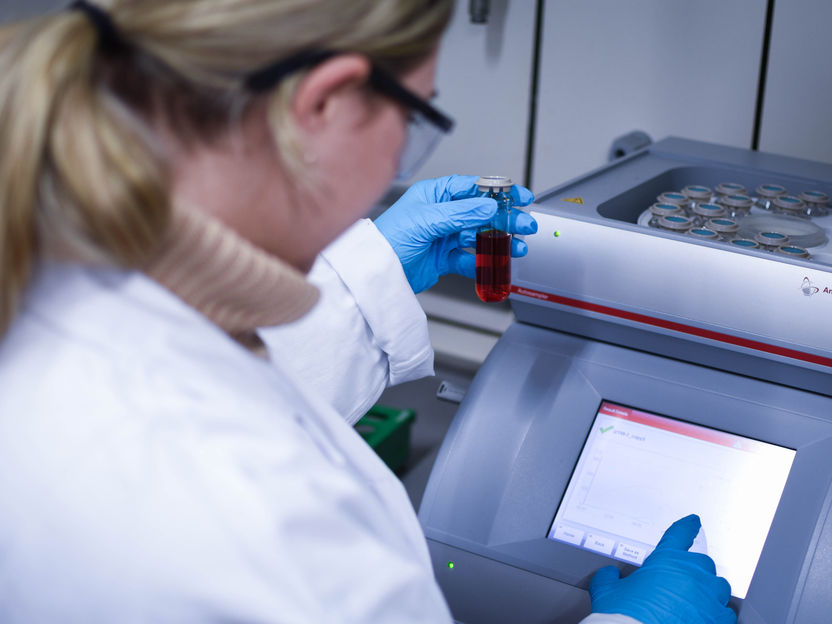
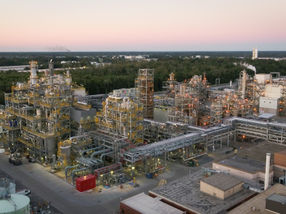
Clariant Gendorf (Germany) production plant with storage tanks and EO plant in the background.
Clariant
“As a globally leading company for specialty chemicals, Clariant continues to invest also in our production network in Europe. I am confident that this sizeable expansion will support our strategic goal of intensifying profitable growth in both developed and emerging markets”, said Christian Kohlpaintner, member of Clariant's Executive Committee.
The expansion of Clariant’s state-of-the-art facilities at Gendorf will enable higher production yields, greater process reliability and enhanced product quality. An increase of High Purified Ethylene Oxide (HPEO) is expected to be available from 2020.
João Tavares Correia, Head of the RBL EMEA region, Business Unit Industrial & Consumer Specialties at Clariant, comments: “We are pleased to announce this strategic investment for Gendorf committing to the long-term growth of our customers across our different markets. With this capacity increase of High Purified Ethylene Oxide (HPEO), Clariant will continue to expand its market driven innovative portfolio of EO-based specialties.”


Other news from the department business & finance









Most read news












More news from our other portals



























Last viewed contents

Detecting heavy metals in soil and water: New method for on-site analysis - Simple technology replaces expensive laboratory procedures

PFAS can suppress white blood cell’s ability to destroy invaders

Novel chemical design makes hard crystals stretchy - Researchers hope to use chemical structure to target and trap impurities in water
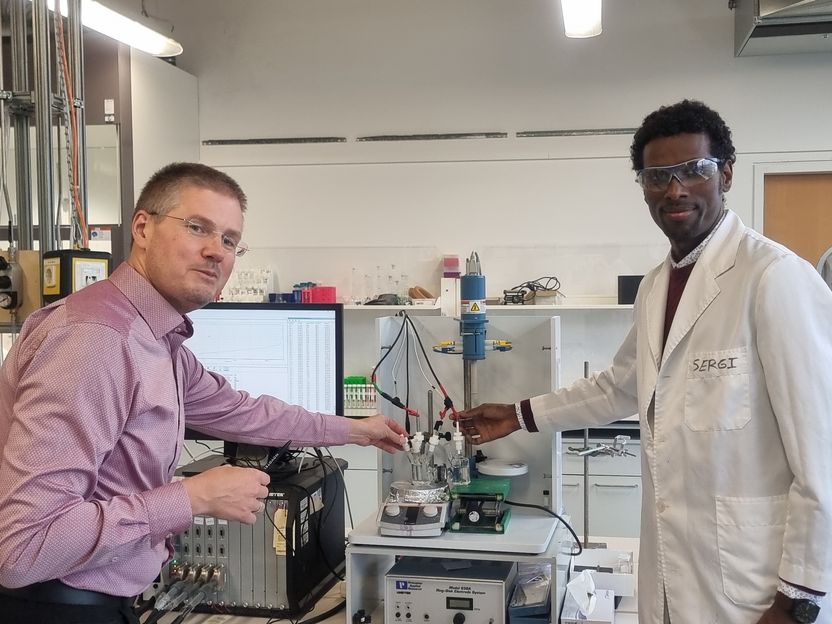
Cobalt-copper tandem successfully converts carbon dioxide to ethanol - Sustainability in the focus of chemical research

Atoms in the sunbath for a sustainable future - Dr. Shanmugapriya Periyannan has been named "MSCA Fellow of the Month"
An electronic rainbow – perovskite spectrometer by inkjet printing

Returning rare earth element production to the United States - ReElement Technologies licenses Purdue critical mineral refining tech and will begin production in late 2024
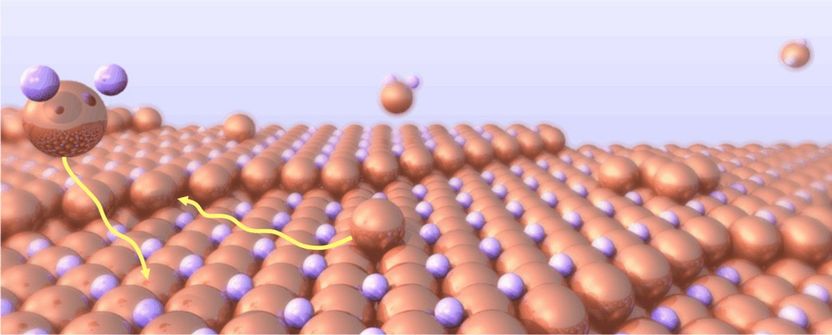
It’s not getting rougher! Smoothing the way for copper wires - Kiel Physicists discover anomalous deposition of copper
PerkinElmer and VWR International join forces to create combined service solution

Flexing the power of a conductive polymer - A new material holds promise for the next generation of organic electronics
Max-Planck-Institut für Struktur und Dynamik der Materie - Hamburg, Germany