Maternal exposure to chemicals linked to autistic-like behaviours in children
Advertisement


A new study by Simon Fraser University's Faculty of Health Sciences researchers found correlations between increased expressions of autistic-like behaviours in pre-school aged children to gestational exposure to select environmental toxicants, including metals, pesticides, polychlorinated biphenyls (PCBs), phthalates, and bisphenol-A (BPA).

Maternal exposure to chemicals linked to autistic-like behaviours in children
Bild von Free-Photos auf Pixabay
This population study measured the levels of 25 chemicals in blood and urine samples collected from 1,861 Canadian women during the first trimester of pregnancy. A follow up survey was conducted with 478 participants, using the Social Responsiveness Scale (SRS) tool for assessing autistic-like behaviours in pre- school children.
The researchers found that higher maternal concentrations of cadmium, lead, and some phthalates in blood or urine samples was associated with increased SRS scores, and these associations were particularly strong among children with a higher degree of autistic-like behaviours. Interestingly, the study also noted that increased maternal concentrations of manganese, trans-Nonachlor, many organophosphate pesticide metabolites, and mono-ethyl phthalate (MEP) were most strongly associated with lower SRS scores.
The study's lead author, Josh Alampi, notes that this study primarily "highlights the relationships between select environmental toxicants and increased SRS scores. Further studies are needed to fully assess the links and impacts of these environmental chemicals on brain development during pregnancy."
The results were achieved by using a statistical analysis tool, called Bayesian quantile regression, that allowed investigators to determine which individual toxicants were associated with increased SRS scores in a more nuanced way than conventional methods.
"The relationships we discovered between these toxicants and SRS scores would not have been detected through the use of a means-based method of statistical analysis (such as linear regression)," noted Alampi. "Although quantile regression is not frequently used by investigators, it can be a powerful way to analyze complex population-based data."
Original publication


Other news from the department science



















Most read news











More news from our other portals

























Last viewed contents
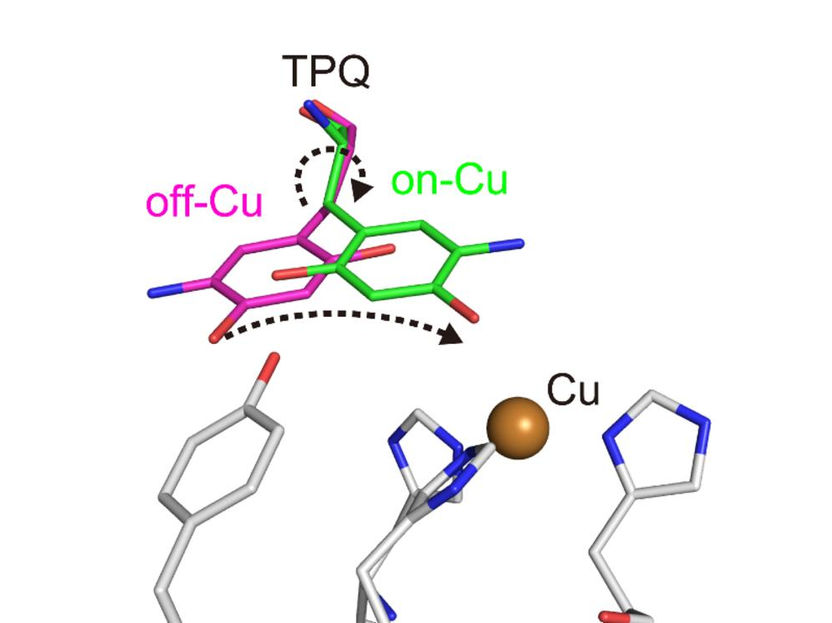
Imaging the smallest atoms provides insights into an enzyme's unusual biochemistry - This could help in the design of enzymes for the chemical industry
With the Technology Center, L. B. Bohle merges all steps of continuous production for the first time
Vitamins doing gymnastics: Scientists capture first full image of vitamin B12 in action - Work by University of Michigan and MIT team yields new understanding of crucial reaction in the body and in CO2-scrubbing bacteria
FEI's Quanta SEMs and Malvern's Advanced Particle Analysis Software Combine to Deliver Solution for Nanoscale Applications
CIM midsummer survey: Global chemicals industry continues to be optimistic
USC scientists turn a harmful greenhouse gas into a tool for making pharmaceuticals - New technique finds a use for ozone-destroying chemical waste product
ULTRA Scientific inorganic standards available through LGC Promochem - The optimum standards for tracing inorganic contaminants in soil, sediment, water, oil, plants and food materials
Improving the degradation of toxic hydrocarbons - Initiation of a worldwide research project under the direction of the HZI
Dance of the molecules: New methods of producing tailor-made materials - Scientists observe vibrational dynamics of organic acid molecules on iron oxide surface

New insights into binding configuration and mobility of molecules on nanoparticle surfaces - Physicists investigate binding between molecules and nanoparticles with high resolution