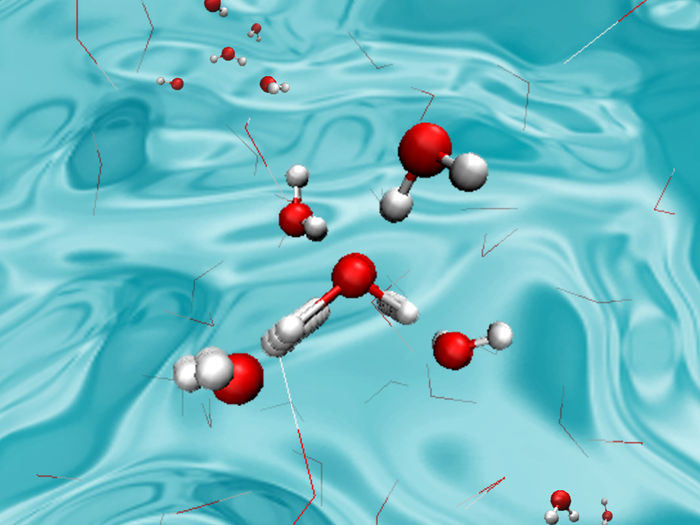
Dow and Evonik announce startup of hydrogen peroxide to propylene glycol (HPPG) pilot plant
Innovative technology offer flexibility, lower costs, and a smaller environmental footprint
Advertisement


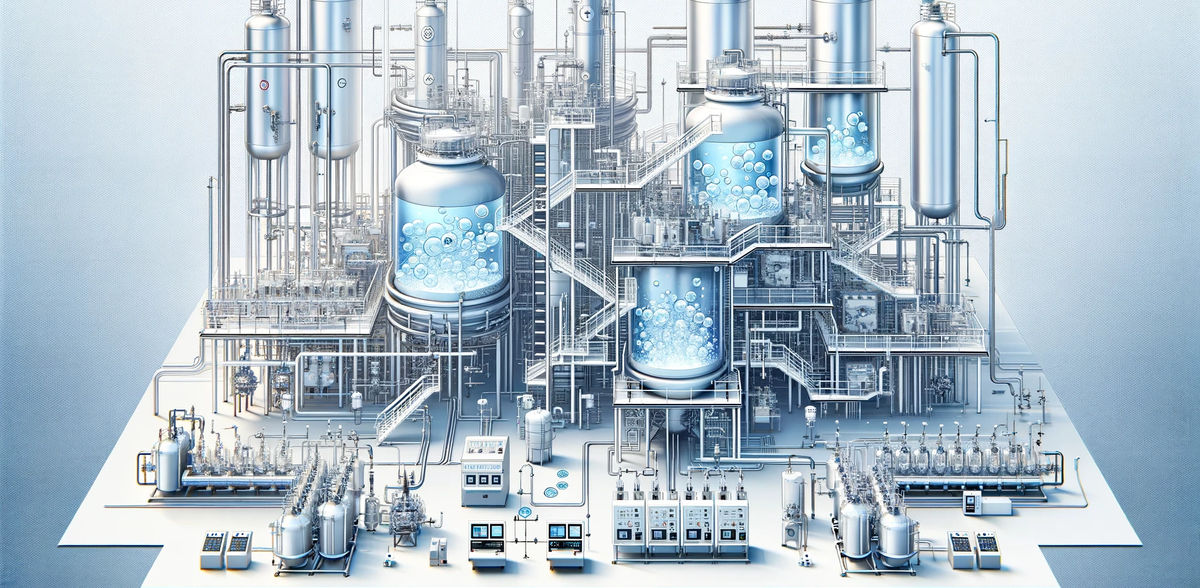
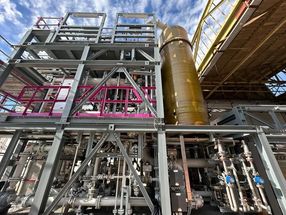
Dow and Evonik are proud to announce the successful start-up and operation of a pioneering hydrogen peroxide to propylene glycol (HPPG) pilot plant at Evonik’s site in Hanau, Germany. Collaboratively developed by Dow and Evonik, the plant uses the distinct HYPROSYN® method to enable the direct synthesis of propylene glycol (PG) from hydrogen peroxide and propylene.
“At Dow, we believe in collaborating with our customers and other stakeholders to create, innovate and find solutions to big challenges. So, I am delighted to see this plant become operational through this collaboration,” said Andrew Jones, global business director for Chlor-Alkali Vinyl & Propylene Oxide, Propylene Glycol, at Dow. “With this innovative technology and flexible asset and business model, we are well positioned to meet our customers’ needs and growing market demand.”
“At Evonik Active Oxygens, we put sustainability at the core of futurizing our business. This relies not only on innovative technologies, but also the ability to scale these up and bring them to market,” remarked Michael Träxler, head of Evonik’s Active Oxygens business line. “That’s where excellent strategic partnerships come into play. The startup of this pilot plant in Hanau thus not only represents a major technological milestone in our efforts to make industry more sustainable, it is also a prime example of how cross-company collaboration, like this partnership with Dow, is essential to driving sustainable solutions.”
The pilot plant will demonstrate the benefits of the novel technology. In contrast to the traditional process, where propylene is used to make propylene oxide (PO), which is converted to PG through hydrolysis, the HYPROSYN® process uses a novel catalytic system to generate PG directly from propylene and hydrogen peroxide. The integration of all key reaction stages in a single reactor eliminates the need for additional investments in PO capacity and lowers capital requirements. The process also enables a reduced environmental footprint, e.g., water consumption is reduced to less than 5% compared to conventional PG methods. In addition, existing PG plants can be retrofitted to benefit from this new technology.
Propylene glycol serves as an essential ingredient such as a high-performing additive, intermediate, or initiator in a wide range of applications — including industrial, food and animal feed, pharmaceuticals, and cosmetics. Over the next few years, the Dow and Evonik teams will continuously evaluate the plant’s operations and capabilities to scale up manufacturing, in support of growing market demand.


Other news from the department manufacturing


















Most read news











More news from our other portals



























Last viewed contents
Empa spin-off Swiss Cluster wins the Swiss Economic Award - Thin layers, high performance
Synthetic mini-motor with enormous power developed: Hope for use in the organism - Bacteria as a role model: Conversion of chemical energy into rotational energy at the supramolecular level for the first time
Siemens and CAPHENIA accelerate scale-up of Sustainable Aviation Fuel - Siemens supports CAPHENIA from pilot plant to commercial scale-up

Thianthrenium chemistry allows for reactivity switch of a nucleophilic amino acid into a versatile intermediate - Useful and broadly applicable tool in the field of chemical biology
BASF inaugurates new $1 billion MDI production facility at its Geismar Verbund site - BASF’s largest single investment made to date in the U.S.

Akeno receives 4.5 million euros for real-time production planning - From BASF project to international rollout
Pitt researchers harness carbon nanomaterials for drug delivery systems, oxygen sensors - Researchers describe carbon nanocapsules for drug and energy storage in Advanced Materials, creation of highly sensitive oxygen sensors in Nature Chemistry
How to produce fluorescent nanoparticles for medical applications in a nuclear reactor
Water, Clay and Carbon: A New Route to Sustainable Energy Storage - Researchers demonstrate an all-water supercapacitor stable over 60,000 charging cycles
Don't Give the Slightest Chance to Toxic Elements in Medicinal Products - New high-accuracy reference solutions for the SI-traceable measurement
Bodo Möller Chemie Group enters exclusive acquisition talks with Rocktin - Strengthen adhesives distribution in Asia