GETEC secures renewable energy supply for German chemical facility
Up to 90 percent of steam needs and up to 80 percent of electricity needs will be met by biomass going forward
Advertisement


GETEC and Albemarle Corporation are delivering a landmark renewable energy project at the global specialty chemicals company's production facility in Langelsheim, Germany. The customized solution will strengthen the facility's low-emission energy supply while meaningfully reducing its reliance on natural gas. The project reinforces the position of GETEC as a strategic industry partner, driving decarbonization and securing critical energy infrastructure for its clients.
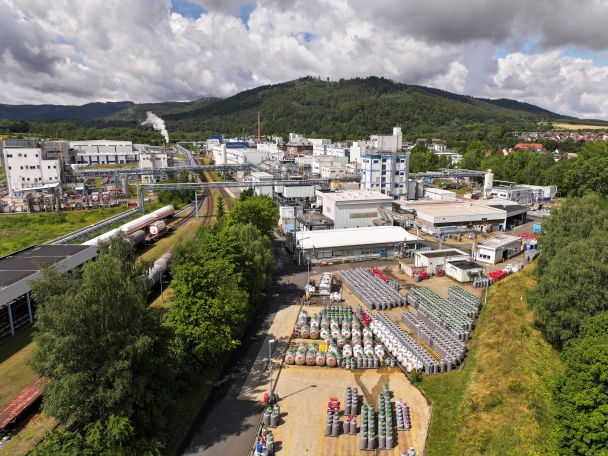
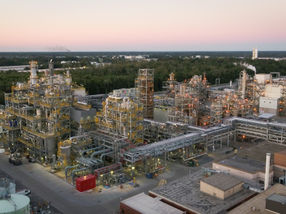
Albemarle production site in Langelsheim
Albemarle Corporation
By connecting the facility to a nearby GETEC biomass power plant, up to 90 percent of the site's steam needs and up to 80 percent of its electricity needs will be sourced from biomass going forward.
“We are proud to support Albemarle in taking this important step toward a more resilient and sustainable energy supply,” said Dr. Guido Zimmermann, CEO of GETEC Germany. “Our biomass concept combines long-term supply security with responsible sourcing — giving industrial sites like Langelsheim a reliable and renewable alternative. This partnership is a strong example of how the industry and energy sector can work together to drive the energy transition forward.”
GETEC will operate the biomass plant, ensure its long term fuel supply, and be responsible for the reliable delivery of steam and electricity to the Langelsheim site. The biomass plant uses certified wood chips and landscape management residues as fuel. The energy supply concept is based on responsibly sourced regional biomass feedstocks.
Long term supply agreements between Albemarle and GETEC combine supply security with climate protection: while supporting the site's operational stability, they also enable a reduction in CO₂ emissions as the CO2 emitted during combustion of the biomass is offset by the sequestration of CO2 during biomass growth. Overall, greenhouse gas emissions will be reduced by approximately 20,000 metric tons per year.
Following regulatory approvals received in May 2026, construction of the pipeline connecting the two facilities is scheduled to begin in October 2026. Commercial operation could start as early as late 2027.


Other news from the department business & finance








Most read news












More news from our other portals



























Last viewed contents
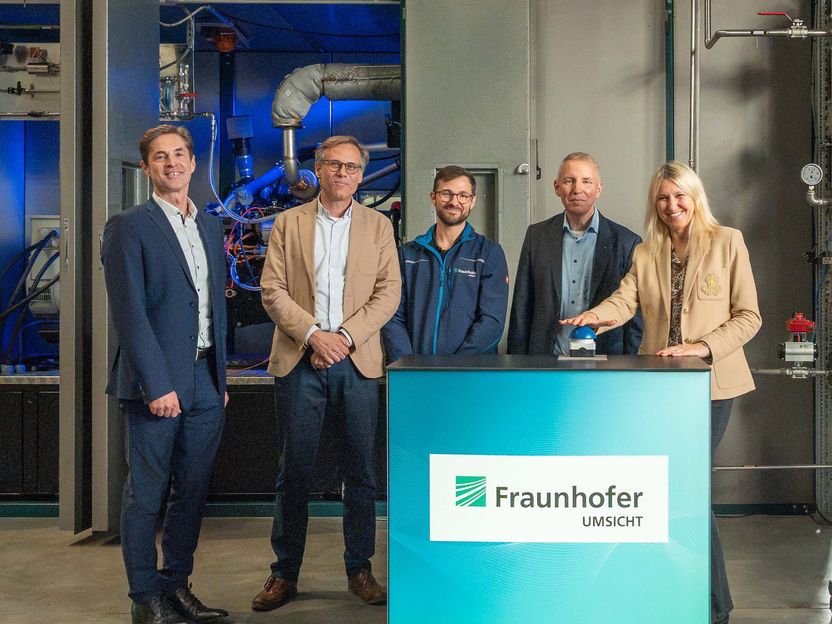
Hydrogen from Waste Materials for Stationary and Mobile Engines - Lower purity requirements open up the use of fermentation residues and sewage sludge as sources of hydrogen
New paths for quantum technologies: Optical control of nuclear spins in molecules - Molecular systems can be chemically tailored and could thus enable atomically precise qubits

How Carbon Accounting Rules Shape Incentives for Hydrogen Production
How Chemicals End Up in the Mountains - Permanent chemicals harm insects—even in near-natural habitats
Quasiparticle solves mystery of vanishing conductivity - CAU team detects polarons in rare earth compound for the first time
Cryo-electron microscopy – Reaction cycle of an enzyme for CO2 fixation decoded - A promising enzyme candidate for biofuel production from carbon dioxide

Protein Content in Foods — New Conversion Factors Enable More Precise Assessment - Max Rubner Institute Releases New Database for Nitrogen-to-Protein Conversion

AI-driven microorganism mix has the potential for groundbreaking innovation - Federal Ministry for the Environment Launches First Joint SPRIND Challenge for a Biotech Breakthrough in the Circular Economy
Researchers develop cleaner, scalable process to recycle lithium-ion batteries - "We’ve shown that it’s possible to create high-performance batteries from recycled materials at scale"
30 Million Euros for Catalyst Research Using AI-Controlled Laboratories - ASCEND is leveraging automated learning loops and 3D thin-film catalysts to develop industrially viable drop-in substitutes.
