GETEC secures renewable energy supply for German chemical facility
Up to 90 percent of steam needs and up to 80 percent of electricity needs will be met by biomass going forward
Advertisement


GETEC and Albemarle Corporation are delivering a landmark renewable energy project at the global specialty chemicals company's production facility in Langelsheim, Germany. The customized solution will strengthen the facility's low-emission energy supply while meaningfully reducing its reliance on natural gas. The project reinforces the position of GETEC as a strategic industry partner, driving decarbonization and securing critical energy infrastructure for its clients.
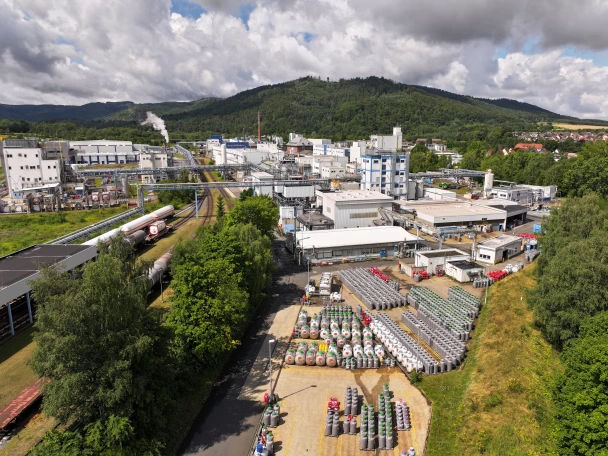
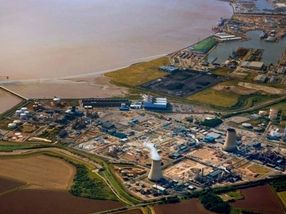
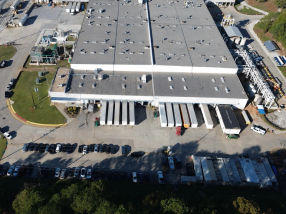
Albemarle production site in Langelsheim
Albemarle Corporation
By connecting the facility to a nearby GETEC biomass power plant, up to 90 percent of the site's steam needs and up to 80 percent of its electricity needs will be sourced from biomass going forward.
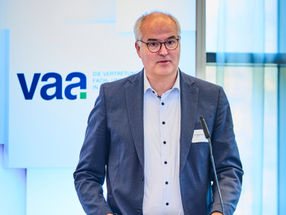
“We are proud to support Albemarle in taking this important step toward a more resilient and sustainable energy supply,” said Dr. Guido Zimmermann, CEO of GETEC Germany. “Our biomass concept combines long-term supply security with responsible sourcing — giving industrial sites like Langelsheim a reliable and renewable alternative. This partnership is a strong example of how the industry and energy sector can work together to drive the energy transition forward.”
GETEC will operate the biomass plant, ensure its long term fuel supply, and be responsible for the reliable delivery of steam and electricity to the Langelsheim site. The biomass plant uses certified wood chips and landscape management residues as fuel. The energy supply concept is based on responsibly sourced regional biomass feedstocks.
Long term supply agreements between Albemarle and GETEC combine supply security with climate protection: while supporting the site's operational stability, they also enable a reduction in CO₂ emissions as the CO2 emitted during combustion of the biomass is offset by the sequestration of CO2 during biomass growth. Overall, greenhouse gas emissions will be reduced by approximately 20,000 metric tons per year.
Following regulatory approvals received in May 2026, construction of the pipeline connecting the two facilities is scheduled to begin in October 2026. Commercial operation could start as early as late 2027.


Other news from the department business & finance