The Structural Crisis in the Chemical Industry Is Worsening—Time to Act Is Running Out
Those who take action now will improve their chances of remaining competitive in 2040

Advertisement


Europe’s chemical industry has been operating in crisis mode for years: Between 2020 and 2025, capacity utilization was significantly below the level of the previous period. Over the past three years, the closure or sale of more than 100 plants in Europe has been announced. It is primarily international corporations that are turning their backs on Europe, as a new analysis by the Boston Consulting Group (BCG) shows. The reason for the decline lies in massive structural problems. High Energy costs, CO₂ regulations, and overcapacity from Asia and the Middle East are weighing on companies.
High energy prices and regulation are undermining competitiveness
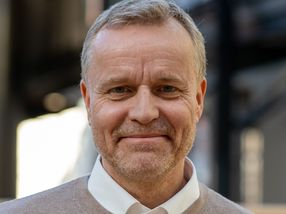
Even the short-term recovery in the second quarter of 2026 does nothing to change this: Supply chain disruptions led to higher prices and temporarily improved the competitive position of European producers. “That was a temporary upturn, not a structural recovery. The trends of recent years cannot be reversed,” explains Jan Friese, senior partner and expert on the chemical industry at BCG.
Energy costs have a particularly significant impact on companies’ competitiveness: In 2025, European gas prices were up to four times higher than in the U.S. or the Middle East, and electricity was twice as expensive as in the U.S. The price of CO₂ in the EU Emissions Trading System is now significantly higher than in previous years. At the same time, import pressure is growing: China’s share of Western European imports has increased in recent years, which could lead to greater price pressure.

The chemical industry faces significant pressure to act
“Companies must act now. Those who hesitate today risk being squeezed in the coming years between rising costs and growing import pressure—a scenario that is particularly acute for Germany as Europe’s most energy-intensive chemical production hub,” warns Hubert Schönberger, a BCG expert and co-author of the study.
Given the highly dynamic nature of the situation, it is difficult to predict exactly how the broader conditions will evolve. The BCG experts consider four scenarios possible:
1. Regionalization: The issue of supply security gains importance; production shifts back to Europe to a greater extent despite higher costs
2. Cost convergence: Energy and raw material prices fall in Europe, but global overcapacity continues to squeeze margins.
3. Green Premium: Demand for low-carbon products is growing fast enough to reward manufacturers who credibly differentiate themselves—conventional products come under greater pressure.
4. Import Surge: Import pressure continues to rise; companies are losing market share and must cut back on capacity.
Value Preservation, Consolidation, or Growth
Each scenario distributes value and margins differently. None of the scenarios automatically leads to a broad-based return to competitiveness for the European chemical industry. Rather, the outlook will vary significantly depending on the segment: “Portfolio averages are becoming less meaningful; decisions must increasingly be made segment by segment and, in some cases, even for individual plants,” explains Friese. In the future, companies will need to manage their portfolios in a much more granular manner and evaluate each division, each segment, and in some cases even individual plants separately. For areas at high risk, the ultimate goal is value preservation. This means: reducing capacity, selling assets, and radically cutting costs.
Where money is still being made but pressure is mounting, it makes sense to improve margins through selective partnerships and leaner processes. Growth is still worthwhile only where products clearly stand out from the competition—with funding for innovation and new capacity: “Companies must choose a business model—cost leadership, an integrated value chain, or innovation-driven specialization—and consistently implement that decision. Those who try to keep all options open will ultimately waste time that is no longer available in this environment,” says Friese.
Pushing Ahead with “No-Regret” Measures
Regardless of which scenario unfolds, there are measures that are necessary in any case to ensure future viability. These include: focusing the portfolio on strong segments, consistently reducing the cost base, securing long-term access to raw materials and energy, and improving processes with digital technology and AI.
“These measures do not change the external environment. However, when combined, they improve resilience and expand strategic flexibility,” explains Schönberger.
Note: This article has been translated using a computer system without human intervention. LUMITOS offers these automatic translations to present a wider range of current news. Since this article has been translated with automatic translation, it is possible that it contains errors in vocabulary, syntax or grammar. The original article in German can be found here.



Other news from the department business & finance