Europe’s last Acetyls site halts production
INEOS Idles Europe's last world-scale Acetyls plant as Energy prices hit 12 times US level
Advertisement


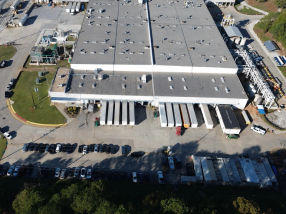
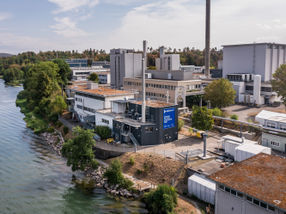
INEOS in Hull operates three world scale chemical intermediate plants producing the building blocks for a wide range of industries throughout Europe including pharmaceuticals, food products, clothing, cosmetics, detergents, construction materials and high energy military explosives. The plants are the last remaining Acetyls units in Europe with all others having already closed due to uncompetitive energy costs.
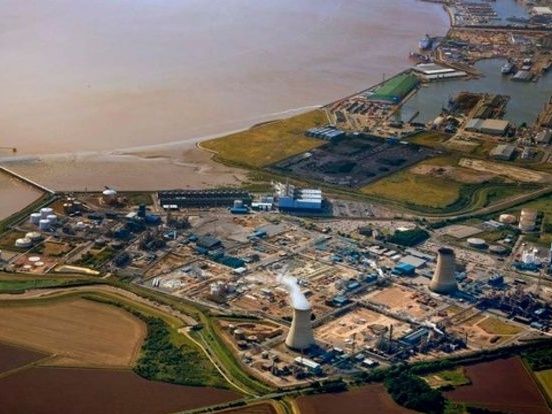
INEOS
European gas prices have now hit 12 x the level of those in the USA and INEOS has taken the difficult decision to mothball all three of the units until further notice. Two of the plants have already ceased production with the third due to come off line in a few days.
Thanks to repeated investment by INEOS in the Hull operations, these units are amongst the most efficient in the world and operate at the lowest possible level of CO2 emissions.The Hull units produce material with a carbon footprint that is 2 times lower than that produced in the United States and 8 times lower than Chinese material.
Commenting, Sir Jim Ratcliffe, Chairman of INEOS said; “I’m sure people will find it hard to believe that we are being forced to mothball some of the most efficient plants in Europe but with gas prices now 12 times the level in the US and 8 times that of China, we just cannot compete. Not only is the ridiculously high gas price destroying our manufacturing base and the jobs of hard working people on Humberside, it is also massively increasing the environmental burden with replacement products supplied from the USA at double the carbon emissions and from China at 8 times the emission level. The European regulators need to wake up to the fact that the combination of high energy costs and the additional burden of unsustainable carbon taxes are destroying our European manufacturing base. Ironically this will result in higher CO2 emissions from less efficient Chinese and US production. The net result of these current policies is to encourage coal based production in China and the wholesale export of jobs to both China and the USA”


Other news from the department business & finance