New application centers: Cognis strengthens its global presence
Advertisement


In order to provide its customers with expert local support and recipes adapted to their specific needs, specialty chemicals supplier Cognis has decided to set up new application centers for food ingredients in different regions. The first application center was opened in June this year in Kuala Lumpur, Malaysia. Another one will be set up in Jacarei, Brazil, at the end of the first quarter of 2011, and there are also plans to open centers in China and the USA.
Around the world, people have different tastes and therefore they like their food in different ways. In North America, people prefer soft bread with a long shelf life, while most European countries like freshly baked crusty bread. Processing methods also tend to vary, for example steam baking is common in China and other Asian countries, where as Western-style breads are generally oven-baked.
To meet these different demands, Cognis has decided to set up new regional application centers for food ingredients. In June the company opened its first one in Kuala Lumpur, Malaysia, to serve customers in the South/East-Asia region. The next one to open will be in Jacarei, Brazil, and will go hand in hand with the new production line that is due to commence operation at the end of the first quarter of 2011. New application centers are also planned for the Chinese and US markets.



Other news from the department business & finance
















Most read news












More news from our other portals



























Last viewed contents
PerkinElmer and VWR International join forces to create combined service solution

Flexing the power of a conductive polymer - A new material holds promise for the next generation of organic electronics
Max-Planck-Institut für Struktur und Dynamik der Materie - Hamburg, Germany
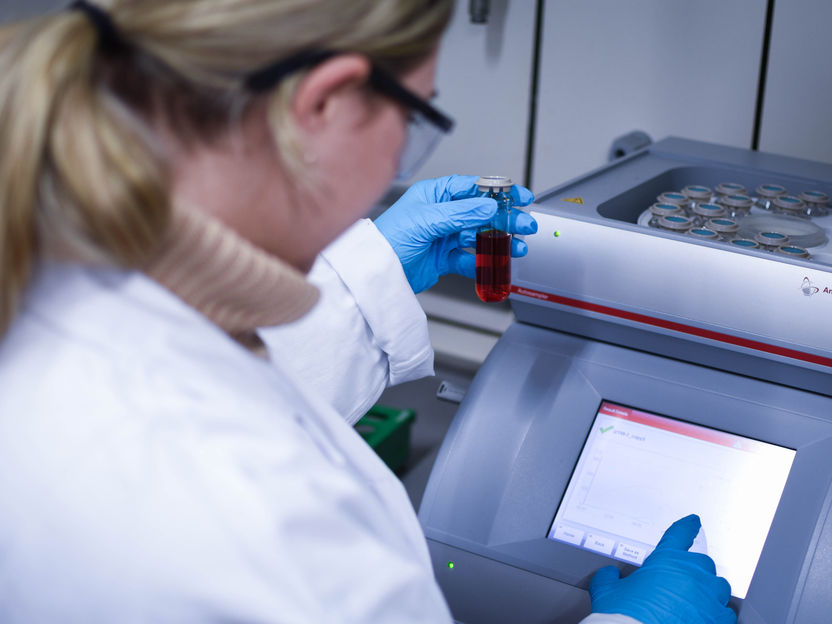
Fast and energy-saving synthesis method for new electrocatalysts - Water electrolysis and the associated hydrogen production could become more energy-efficient in the future

Modified microwave oven cooks up next-gen semiconductors - The breakthrough could change the geometry of transistors used in microchips
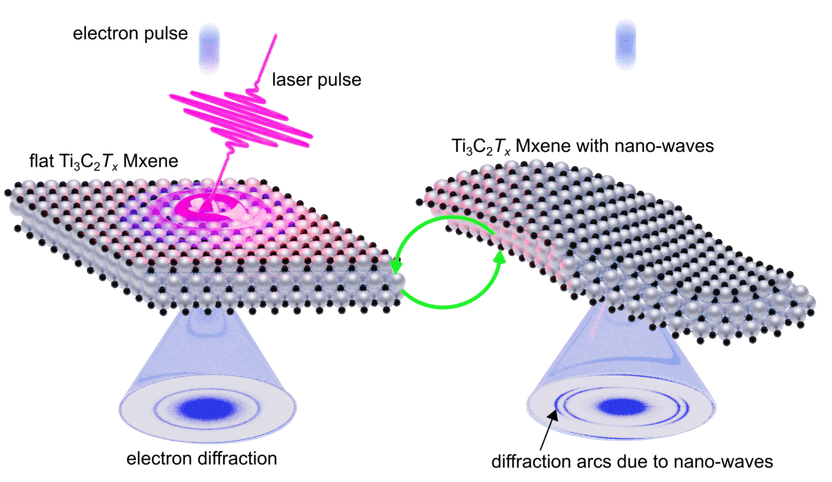
Light-induced shape shifting of MXenes - Femtosecond light creates switchable nano-waves in MXenes and moves the materials’ atoms at a record-breaking speed
A touch of gold and silver - For the first time, it is possible to produce crystalline layers of precious metals that consist of a single atomic layer and which are semiconducting

Nanoparticle supersoap creates 'bijel' with potential as sculptable fluid

Inspired by nature: Scientists have developed a nanopore-microchip

Reinforcement of structures with Memory Steel
Ultra-thin lenses that make infrared light visible - Researchers have achieved this using a special metal-oxide lens material called lithium niobate and through nanoscale pattern, stamped into the material