Phosphate and Alternatives: Ceresana Analyzes the Global Market for Chelating Agents
Advertisement


chelating agents are useful and at times controversial chemicals that are used in large quantities. They can bind heavy metals in food, for example, or prevent lime to deposit from washing water. Chelating agents are used above all in detergents and cleaners to lower water hardness, but also for industrial applications, food processing and medicine. The market research institute Ceresana expects worldwide demand for chelating agents to rise to more than 4.34 million tonnes by 2022.
Main Application Washing Powder
The most important sales market for chelating agents are washing powders. They constituted about 60% of total demand in 2014. Chelating agents are not only used in household detergents and cleaners, but also in industrial applications. They are applied, among others, in the pulp and paper industry, textiles and leather, the food industry, medicine and cosmetics. The pulp industry was the largest consumer in 2014 with a volume of about 150.000 tonnes. In this sector, chelating agents are used for manufacturing bleached chemical pulp and for de-inking recycled waste paper.
Alternatives to Phosphates Wanted
While demand for chelating agents rises strongly in emerging countries, saturated markets in Western Europe and North America will only grow slightly over the next years. They are characterized by product substitution. Environmental concerns are having an impact on the use of the controversial sodium tripolyphosphate (STPP) in the European Union as well as in Canada and the USA. Many manufacturers are voluntarily refraining from applying STPP. Governmental prohibitions and limitations are becoming more and more effective as well. In Europe, demand for STPP in household washing powders has already fallen significantly. Over the next years, this trend is expected to lead to a clear volume decline of STPP for dishwashing detergents.
Growth Market for Environmentally Friendly Chelating Agents
There is an increasing desire for replacing conventional chelating agents such as STPP, phosphonates, EDTA, NTA or DTPA in an environmentally friendly way. Biodegradability is most important in order to prevent long-term consequences for humans and the environment. Citric acid, GLDA, MGDA, EDDS, IDS, gluconic acid, and glucoheptonates are to be more environmentally friendly. Ceresana expects its demand to rise by 2.4% p.a. worldwide.


Other news from the department business & finance

















Most read news











More news from our other portals



























Last viewed contents
Dow to Invest in Water Technology in Saudi Arabia - Dow Water & Process Solutions announces plans to build new world-class reverse osmosis membranes plant

Mysteries of Father Christmas 'solved' by relativity theory
Nominations for the European Inventor Award 2010 - Saving precious water, gentler cancer treatments and "football" molecules made of carbon
Topsoe Fuel Cell to Take Delivery of hte Technology for Testing of Fuel Processing Components
Myriad, Hitachi, Oracle and Friedli Join Forces to Map the Entire Human Proteome
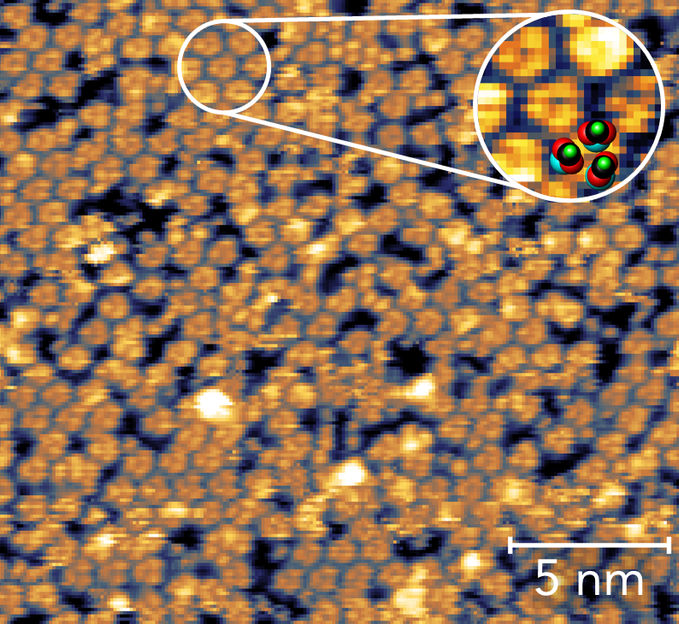
Dance of the molecules: New methods of producing tailor-made materials - Scientists observe vibrational dynamics of organic acid molecules on iron oxide surface

New insights into binding configuration and mobility of molecules on nanoparticle surfaces - Physicists investigate binding between molecules and nanoparticles with high resolution

New method developed for investigating the internal structure of atoms - Previously unknown properties of the element samarium revealed
Cereplast to Establish Italy-Based Bioplastic Manufacturing Plant - Plant Expected to Have 100,000 Tons of Capacity
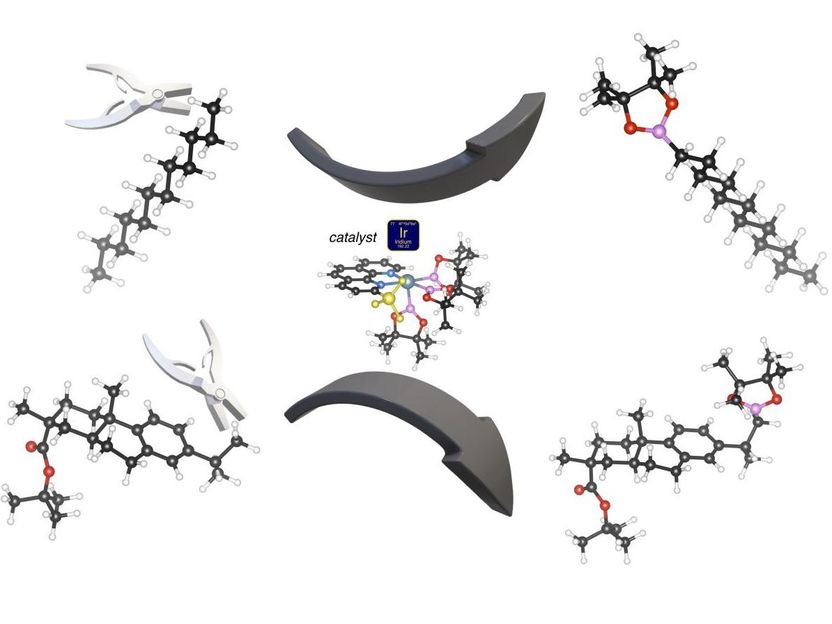
Scientists finally crack nature's most common chemical bond - Holy grail of synthesis: Carbon-hydrogen bonds in hydrocarbon molecules have resisted functionalization until now
Finnish Composites Distributor Terpol OY Appointed by Scott Bader
