The toolbox of the cells
Research insight to nobel laureates Lindahl, Modrich and Sancar
Advertisement


Each day our DNA is damaged by UV radiation, free radicals and other carcinogenic substances, but even without such external attacks, a DNA molecule is inherently unstable. Thousands of spontaneous changes to a cell’s genome occur on a daily basis. Furthermore, defects can also arise when DNA is copied during cell division, a process that occurs several million times every day in the human body.
The reason our genetic material does not disintegrate into complete chemical chaos is that a host of molecular systems continuously monitor and repair DNA. The Nobel Prize in Chemistry 2015 awards three pioneering scientists who have mapped how several of these repair systems function at a detailed molecular level.
In the early 1970s, scientists believed that DNA was an extremely stable molecule, but Tomas Lindahl demonstrated that DNA decays at a rate that ought to have made the development of life on Earth impossible. This insight led him to discover a molecular machinery, base excision repair, which constantly counteracts the collapse of our DNA.
Aziz Sancar has mapped nucleotide excision repair, the mechanism that cells use to repair UV damage to DNA. People born with defects in this repair system will develop skin cancer if they are exposed to sunlight. The cell also utilises nucleotide excision repair to correct defects caused by mutagenic substances, among other things.
Paul Modrich has demonstrated how the cell corrects errors that occur when DNA is replicated during cell division. This mechanism, mismatch repair, reduces the error frequency during DNA replication by about a thousandfold. Congenital defects in mismatch repair are known, for example, to cause a hereditary variant of colon cancer.
The Nobel Laureates in Chemistry 2015 have provided fundamental insights into how cells function, knowledge that can be used, for instance, in the development of new cancer treatments.


Other news from the department science




















Most read news












More news from our other portals


























Last viewed contents
Cellular powerplant recycles waste gases - The idea is to use the power of bacteria to turn toxic waste gases into valuable compounds such as acetate or ethanol
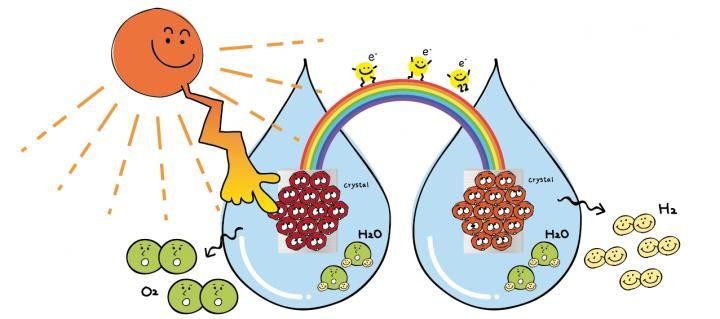
Seeing the light - A solution for efficiency problem of artificial photosynthesis
WACKER Presents Innovation Award for Novel Manufacturing Process for Polymer Dispersions
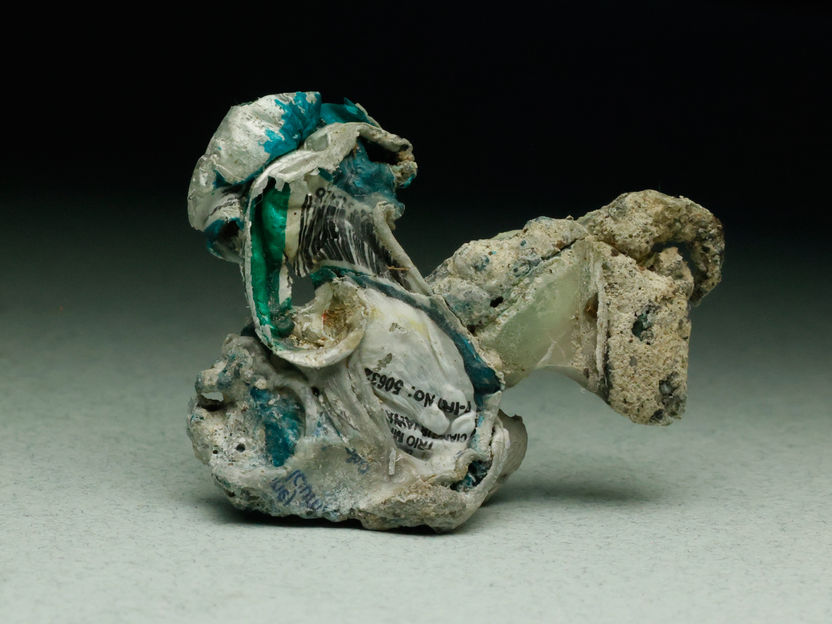
Artificial rocks from macroplastics threaten ocean health - German-Indonesian research team identifies new rock-like compounds from plastic waste and coral rubble for the first time

RCT Reichelt Chemietechnik | Flow indicators | Reichelt Chemietechnik

World record for tandem perovskite-CIGS solar cell

New method for determining exchange energy in 2D materials - Detective work yielded a simple solution
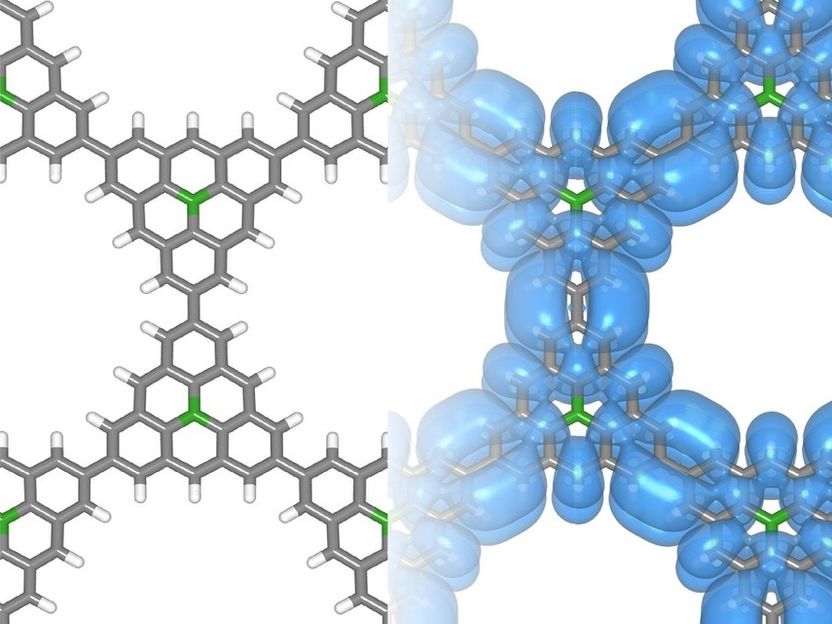
Magnetism without metal: a milestone for materials science - “This is fundamentally new”

Magnetic nanoparticles change their magnetic structure in a magnetic field - International research team studies the effects of magnetic fields on magnetic nanoparticles
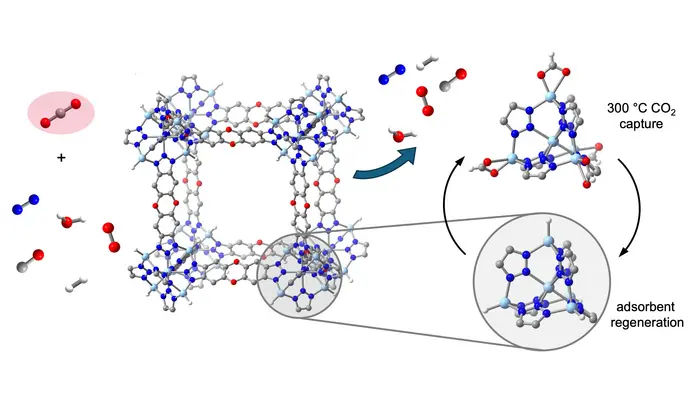
Breakthrough in capturing 'hot' CO2 from industrial exhaust - A metal-organic framework is capable of capturing CO2 at extreme temperatures
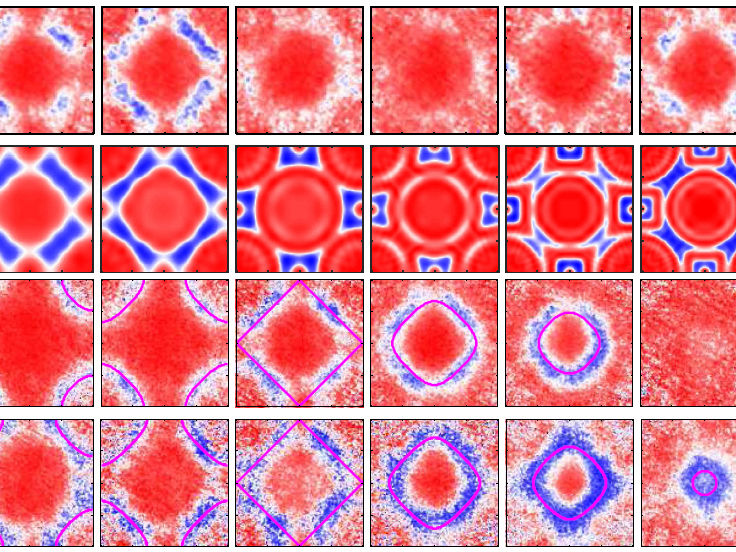
Quantum Tricks to Unveil the Secrets of Topological Materials