 Verified
Analytical instruments:
Lithium-Ion Battery Analysis Solutions
Accelerate lithium ion battery development with end to end analysis for safer reliable batteries
Shorten time to market with end-to-end analysis from materials to finished batteries
Improve battery safety and lifetime by identifying degradation and failure causes early
Reduce production risk with reliable data for consistent, high-quality battery manufacture
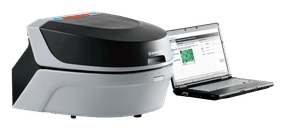
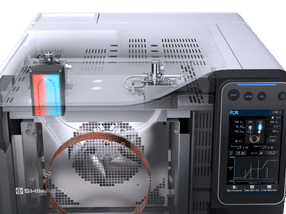
Gain reliable results from materials research to battery performance and safety testing
For professionals developing, manufacturing, testing or recycling lithium ion batteries, Shimadzu offers more than isolated measurements. Its broad analytical portfolio supports decisions across the battery value chain, from raw materials and electrode components to cells, finished batteries and recycling. Users can build a consistent evidence base instead of combining disconnected results. That makes it easier to understand what limits performance, confirm whether a process is stable and act before problems become expensive.
The first practical benefit is a shorter route from research to market. Reliable analysis helps teams compare materials, optimize formulations, processes and understand how changes influence cell performance. When results are comparable and repeatable, developers can make decisions earlier, reduce troubleshooting cycles and avoid repeating work. The same information can be shared between research, quality and production, improving collaboration and reducing the time needed to transfer a promising material or cell design into manufacturing.
Shimadzu also helps users improve safety, reliability and lifetime. Investigating composition, contamination, degradation and failure mechanisms gives teams evidence to identify the cause of capacity loss or abnormal behavior. Risks can be addressed before they lead to field failures, rejected batches or costly recalls. Performance and safety evaluation therefore becomes a tool for designing batteries that deliver more consistent results over their service life, not simply a way to collect technical data.
For manufacturers, dependable analysis reduces production risk. Reproducible results support incoming material checks, process monitoring, root cause investigations and release decisions. Early visibility of variation protects yield and helps maintain consistent battery quality as production scales. A common analytical approach from development through production also improves traceability and gives different teams a shared basis for quality decisions.
These benefits extend to black mass recycling. Black mass is a variable feedstock produced when spent cells or production scrap are dismantled and processed. Its composition changes with cell chemistry, source and sorting efficiency. Recyclers need to know how much valuable metal is present, which electrode materials remain and which contaminants could reduce recovery or create a safety or process problem. Reliable characterization helps classify incoming material, estimate recoverable value and select more effective pretreatment and recovery conditions. This can improve yield, reduce waste, prevent unsuitable feedstock from disrupting the process and make recycling economics more predictable.
Analysis remains important after recovery. Checking intermediate and final streams helps verify purity, detect cross contamination and establish a consistent specification for recovered materials. Recyclers gain evidence to communicate product quality to customers, while battery manufacturers can use recovered materials with greater confidence in a circular supply chain. For research organizations, producers and recyclers, Shimadzu combines broad analytical coverage with dependable results and application knowledge. The user benefit is clear: faster innovation, safer and longer lasting batteries, more consistent production, lower recycling risk and better use of valuable resources throughout the lithium ion battery lifecycle.
1
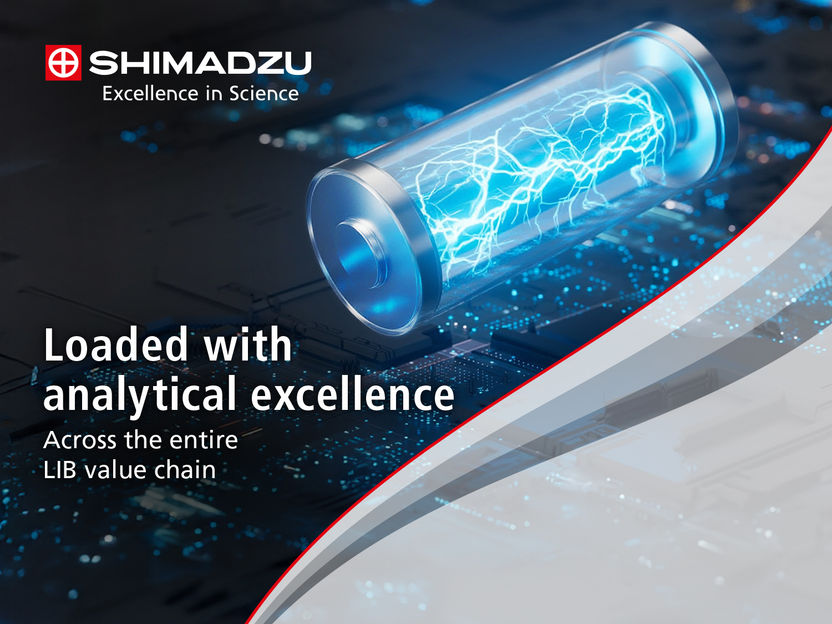
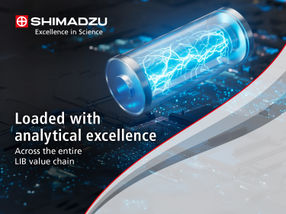
Shimadzu delivers analytical excellence across the entire LiB value chain from materials to recycling
2
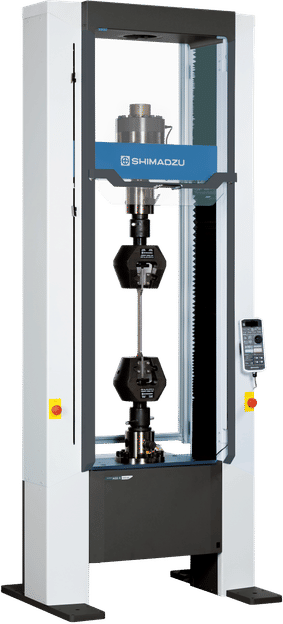
Shimadzu UTM improves LiB safety and reliability by validating the mechanical strength of materials cells and components
3
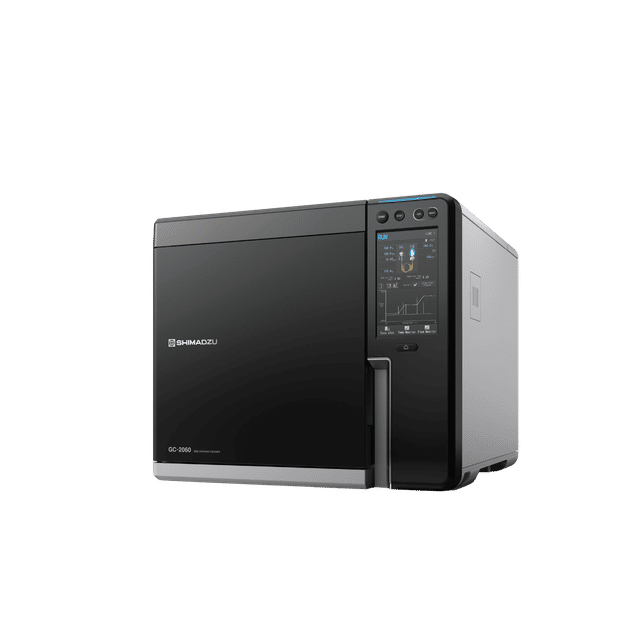
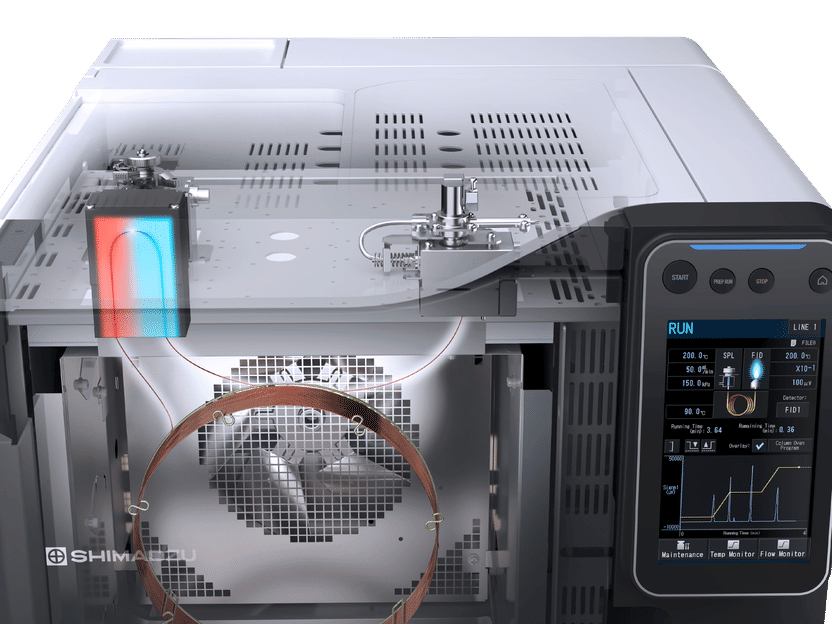
Shimadzu GC detects electrolyte degradation and gas formation early for safer longer lasting LiB
4
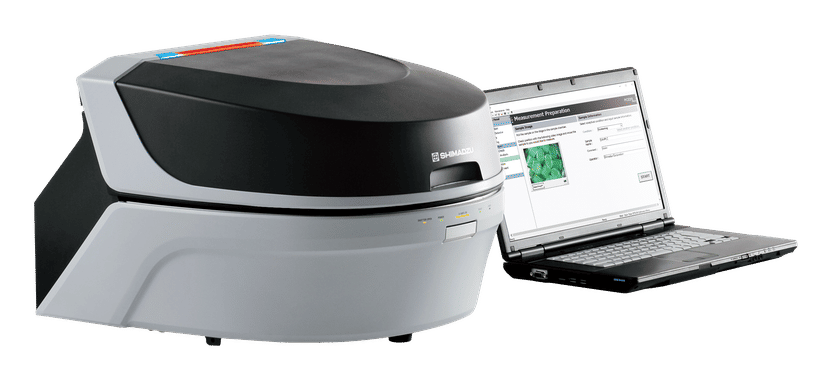
Shimadzu EDX analyzes elemental content in raw materials and black mass for consistent quality and efficient LiB recycling
5
Shimadzu GC with PolyArc simplifies electrolyte analysis and reduces calibration effort for reliable LiB results
Request information about Lithium-Ion Battery Analysis Solutions now
Analytical instruments: Lithium-Ion Battery Analysis Solutions
Accelerate lithium ion battery development with end to end analysis for safer reliable batteries
Product classification Lithium-Ion Battery Analysis Solutions


Find Lithium-Ion Battery Analysis Solutions and related products in the theme worlds
Topic World Battery Technology
The topic world Battery Technology combines relevant knowledge in a unique way. Here you will find everything about suppliers and their products, webinars, white papers, catalogs and brochures.

Topic World Battery Technology
The topic world Battery Technology combines relevant knowledge in a unique way. Here you will find everything about suppliers and their products, webinars, white papers, catalogs and brochures.