Munich startup turns plastic waste into valuable chemicals
Radical Dot presented: Energy-efficient recycling technology for previously non-recyclable plastics
Advertisement


While only a fraction of plastic waste is recycled worldwide, the Munich-based start-up Radical Dot has developed an innovative solution that could change this. Founded in 2024, the company has developed a new type of chemical recycling technology that converts mixed and contaminated plastic waste into valuable chemical raw materials - with significantly less energy input than conventional processes.
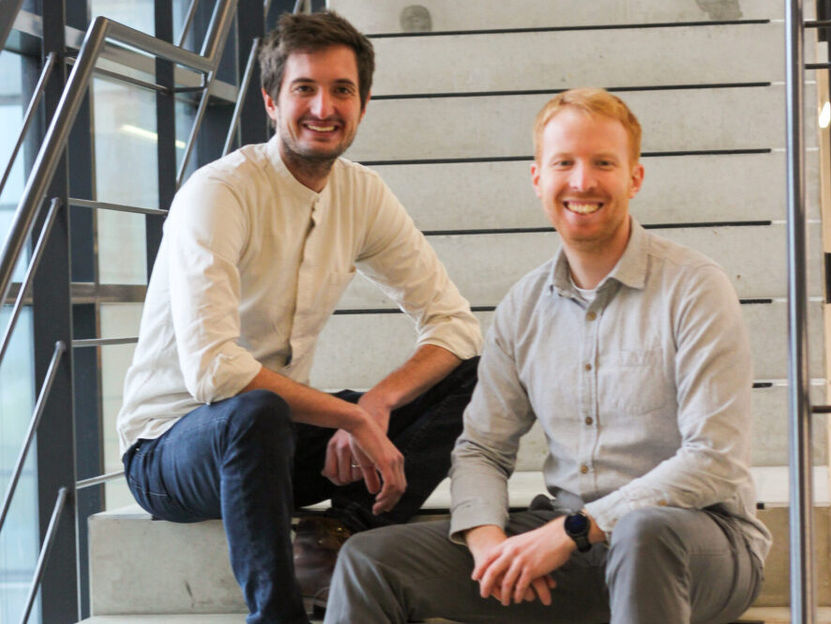
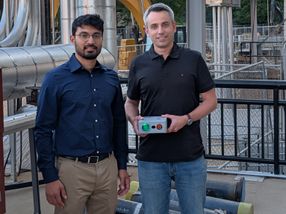
Radical Dots founders: Alexandre Kremer (left) and Dr. Andreas Wagner (right)
The technology is based on a novel catalytic low-temperature process. The special feature: Unlike other chemical recycling processes, mixed and contaminated plastic waste that was previously not recyclable can also be processed.
The idea for the company arose from the two founders' many years of experience in the field of energy transition and the circular economy. Dr. Andreas Wagner, an Austrian chemist, has in-depth expertise in the conversion of the chemical industry. His co-founder Alexandre Kremer, a French chemical engineer, specializes in the circular economy for plastics and co-led the STOP project in Indonesia in 2018, which set up waste disposal services for 300,000 people in remote villages.
The startup has already reached important milestones. In March 2025, Radical Dot closed an oversubscribed pre-seed funding round of 2.7 million euros, led by UVC Partners and Visionaries Tomorrow. With these funds, the company is currently building a continuously operating prototype facility at the Technical University of Munich, where it is based at the TUM Venture Lab ChemSPACE.
At a time when the chemical industry is responsible for around four percent of global greenhouse gas emissions and urgently needs sustainable solutions, Radical Dot could make an important contribution to the circular economy and climate protection with its innovative technology.
Note: This article has been translated using a computer system without human intervention. LUMITOS offers these automatic translations to present a wider range of current news. Since this article has been translated with automatic translation, it is possible that it contains errors in vocabulary, syntax or grammar. The original article in German can be found here.


Other news from the department business & finance













Most read news












More news from our other portals



























Something is happening in the chemical industry ...
This is what true pioneering spirit looks like: Plenty of innovative start-ups are bringing fresh ideas, lifeblood and entrepreneurial spirit to change tomorrow's world for the better. Immerse yourself in the world of these young companies and take the opportunity to get in touch with the founders.
Last viewed contents
New application centers: Cognis strengthens its global presence
PerkinElmer and VWR International join forces to create combined service solution

Flexing the power of a conductive polymer - A new material holds promise for the next generation of organic electronics
Max-Planck-Institut für Struktur und Dynamik der Materie - Hamburg, Germany
Fast and energy-saving synthesis method for new electrocatalysts - Water electrolysis and the associated hydrogen production could become more energy-efficient in the future
Modified microwave oven cooks up next-gen semiconductors - The breakthrough could change the geometry of transistors used in microchips
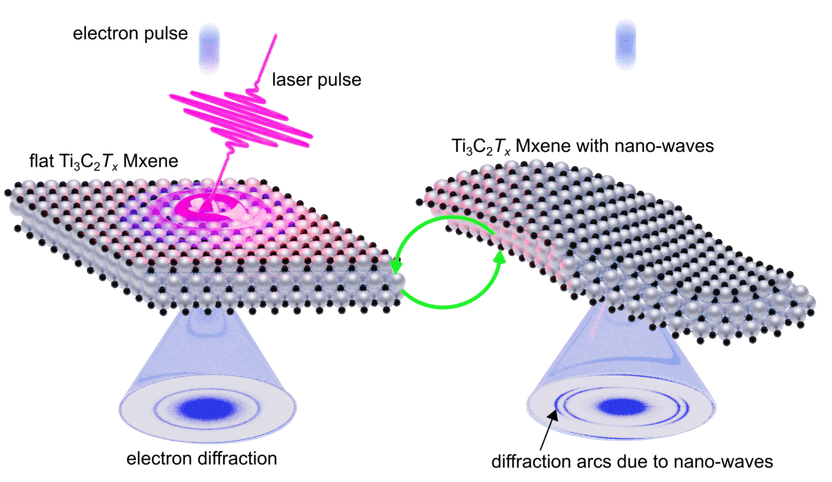
Light-induced shape shifting of MXenes - Femtosecond light creates switchable nano-waves in MXenes and moves the materials’ atoms at a record-breaking speed
A touch of gold and silver - For the first time, it is possible to produce crystalline layers of precious metals that consist of a single atomic layer and which are semiconducting

Nanoparticle supersoap creates 'bijel' with potential as sculptable fluid

Inspired by nature: Scientists have developed a nanopore-microchip
Reinforcement of structures with Memory Steel