Siemens Energy is starting preparations for business area Transformation of Industry to become a standalone company
Siemens Energy intends to explore new ownership structure of Transformation of Industry as second step with objective to deconsolidate
Advertisement


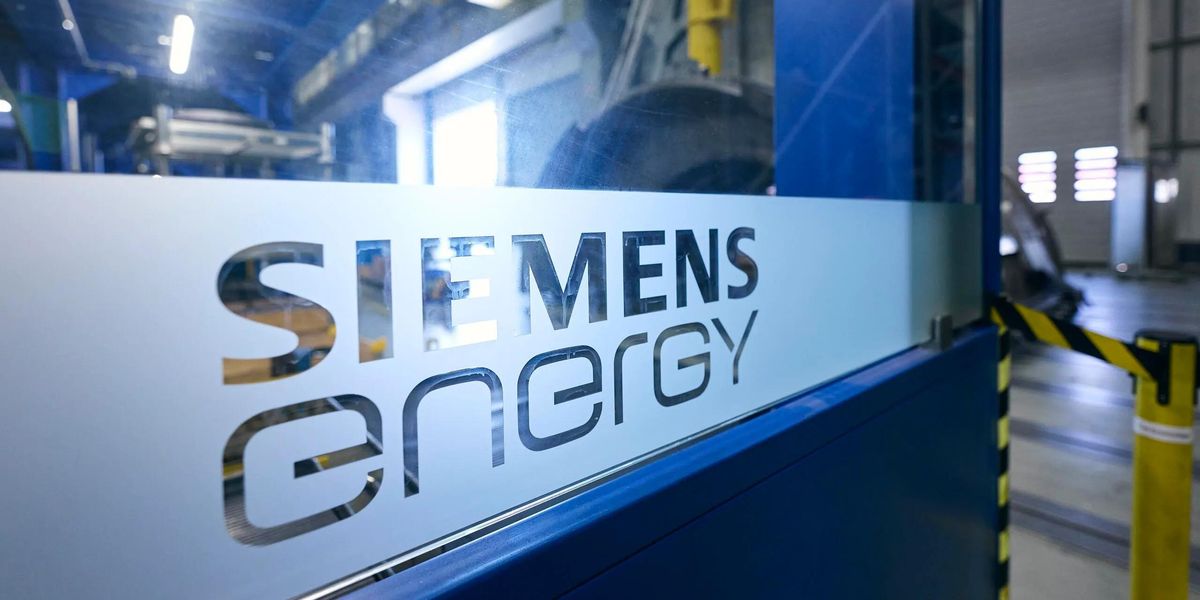
Siemens Energy is starting preparations for the legal and operational separation of its Transformation of Industry business area. The goal is to establish the business as a standalone entity and create a strong, independent industrial energy solutions company. The future setup is intended to provide Transformation of Industry with greater entrepreneurial flexibility and additional options for further growth – ranging from bringing in external investors to a potential capital markets transaction. Siemens Energy intends to deconsolidate the business while retaining a meaningful minority stake to support the business's continued development.
Transformation of Industry supports industrial customers around the world to operate their plants and processes more efficiently, more reliably and with lower emissions. The portfolio covers a broad range of technologies including industrial steam turbines, compressors, electrolyzers for hydrogen production, generators and motors, as well as maritime and subsea technologies, among others. In fiscal year 2025, its approximately 17,000 employees generated revenue of €5.7 billion.
Christian Bruch, President and Chief Executive Officer of Siemens Energy:
"Transformation of Industry has developed successfully over the past several years and is now a profitable, high-growth business. We see the potential for further profitable growth if we can accelerate the business's continued development."
Transformation of Industry to gain greater strategic flexibility
Within the current Group structure, Transformation of Industry competes for investment against businesses that are growing even faster. In addition, Transformation of Industry largely serves different markets than the rest of Siemens Energy. These markets – industries such as oil & gas, chemicals, process industries, paper, cement and maritime – are often faster-moving, more transactional and shaped by different customer needs. As a standalone entity, the business would be better positioned to respond at the pace these markets require.
Christian Bruch: "If we don't change our structure, we limit what Transformation of Industry can achieve. Our current investment focus is on power generation and power transmission, with higher immediate payback."
Transformation of Industry benefits from long-term growth trends such as energy efficiency and affordability, industrial electrification, decarbonization, digitalization and rising demand for security of supply. With strong positions in attractive markets such as oil and gas, process industries, data centers and maritime along with a broad technology and service portfolio, the business is well positioned to benefit from these long-term growth trends. A high service share of around 50% of total revenue provides stable, recurring earnings. With more than 85,000 units installed globally, the future company has a solid foundation for further international growth.
The business to be carved out will initially operate under Siemens Energy’s future brand, Omterra, once launched. It has a network of key manufacturing sites in Germany – including Duisburg (ca. 1,500 employees), Erlangen (ca. 700), Görlitz (ca. 650), Muelheim an der Ruhr (ca. 550), Nuremberg (ca. 550), Erfurt (ca. 550), Hamburg (ca. 250), Leipzig (ca. 200) and Berlin (ca. 150) – as well as in Europe, the United States, India, China, Brazil, Saudi Arabia, and other countries.


Other news from the department business & finance












Most read news












More news from our other portals



























Last viewed contents
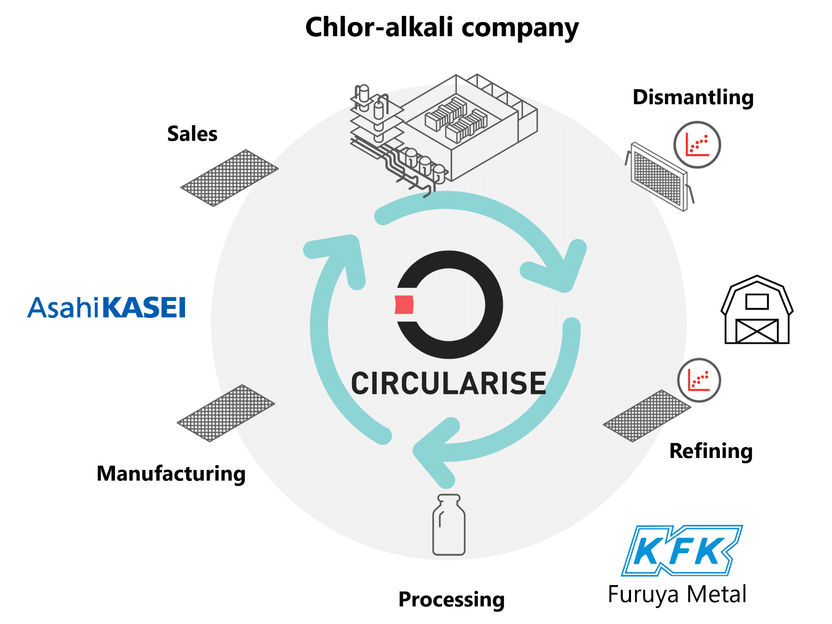
Asahi Kasei, Circularise, and Furuya Metal Launch Project for Precious Metal Traceability in Chlor-Alkali Electrolysis Electrodes - Demonstration Project Targets Supply Security for Scarce Iridium and Ruthenium

SOPAT GmbH and Malvern Panalytical announce a distribution agreement for US market
BASF, Quantafuel and REMONDIS want to cooperate on chemical recycling of plastic waste - More recycling of plastic waste which otherwise would be incinerated

Innovation boost for the hydrogen economy: Real-time diagnostics for electrolyisers and fuel cells in operation - Optimize load capacity and efficiency, extend service life, and reduce operating costs — a technological leap with great potential
Nobian starts direct delivery of calcium chloride from Frankfurt - "At a time when many companies are reducing their product offerings, we are expanding ours in Europe..."
BAM, HZB and HU are conducting joint research on sodium batteries - Berlin Battery Lab develops batteries that conserve raw materials and is also open to partnerships with start-ups

Innovation paves way to make ‘clean’ chemicals, plastics and food using solar energy - Integrated solar reactor uses sunlight, water, CO2 and engineered bacteria to grow biomass in a single beaker
Chemicals and energy sectors move away from fossil raw materials - Fraunhofer and an Estonian deep-tech start-up are testing a modular biomass platform on an industrial scale
From Flue Gas to Raw Material: Extracting Carbon from CO₂ Produced by Waste Incineration - KIT and EEW Energy from Waste (EEW) plan to use CO₂ from flue gases in the NECOC process

KAIST identifies a route to faster-charging, longer-lasting EV batteries - Research team uses a 3D digital twin to reveal localized degradation mechanisms during fast charging

Matthews Engineering and start-up hs-tumbler partner on dry battery electrode manufacturing - Companies aim to enable dry electrode manufacturing through trajectory mixing