Using CO2: EUR 15 million for new production line
Bayer MaterialScience plans further investment in the Dream Production project at its Dormagen site
Advertisement


The greenhouse gas carbon dioxide can be used as a basic building block for plastics. Following a successful test phase and promising market analysis, Bayer MaterialScience plans to invest EUR 15 million in the construction of a production line at its Dormagen site, which will use CO2 to produce a precursor for premium polyurethane foam. The line will have an annual production capacity of 5,000 metric tons. The permit application will be submitted to the Cologne district authority in the next few weeks. The objective of the “Dream Production” project is to launch the first CO2-based polyols on the market starting in 2016.
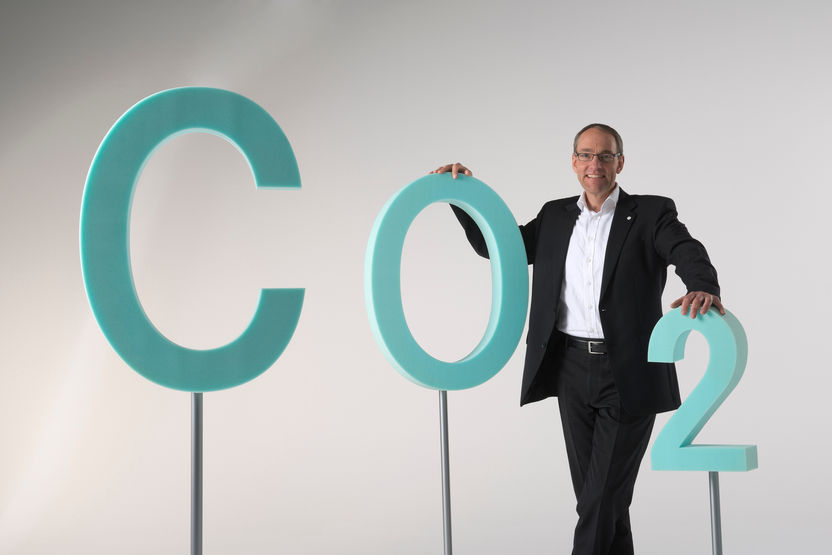
Dr. Karsten Malsch heads the Dream Production project at Bayer MaterialScience.
Bayer MaterialScience AG
High-quality polyols based on CO2 are not currently available on a commercial scale. The new polyols from Bayer MaterialScience have at least the same high level of quality as conventionally manufactured materials and a more sustainable impact. Using a certain amount of CO2 as a building block enables a reduction in the amount of the petroleum-based raw material propylene oxide, which polyols are normally made entirely from. The CO2 balance of the new process is far better than that of the conventional production method.
“Improving the sustainability of everything we do is an integral part of our business strategy and this principle is implemented in our Dream Production project. We have succeeded in turning a waste gas that is potentially harmful to the climate into a useful raw material. That helps the environment and mankind, and we all benefit,” said Bayer MaterialScience CEO Patrick Thomas.
Successful with partners
Bayer MaterialScience developed the manufacturing process in collaboration with partners in industry and academia. The company discovered the catalyst that brings about the chemical reaction with the required level of efficiency, and developed it together with the CAT Catalytic Center, a research facility in Aachen, Germany. The process was tested extensively in a pilot plant at the Leverkusen site as part of the publicly funded Dream Production research project. This was accompanied by a study of market demand.
The new polyol is used for the production of polyurethane foam, which is found in many everyday items, including upholstered furniture, shoes and automotive parts, and is also used to insulate buildings and refrigeration equipment. “The first major field of application will most likely be mattress production,” announced Dr. Karsten Malsch, Dream Production project manager at Bayer MaterialScience.


Other news from the department manufacturing

















Most read news











More news from our other portals



























Last viewed contents

Modified microwave oven cooks up next-gen semiconductors - The breakthrough could change the geometry of transistors used in microchips
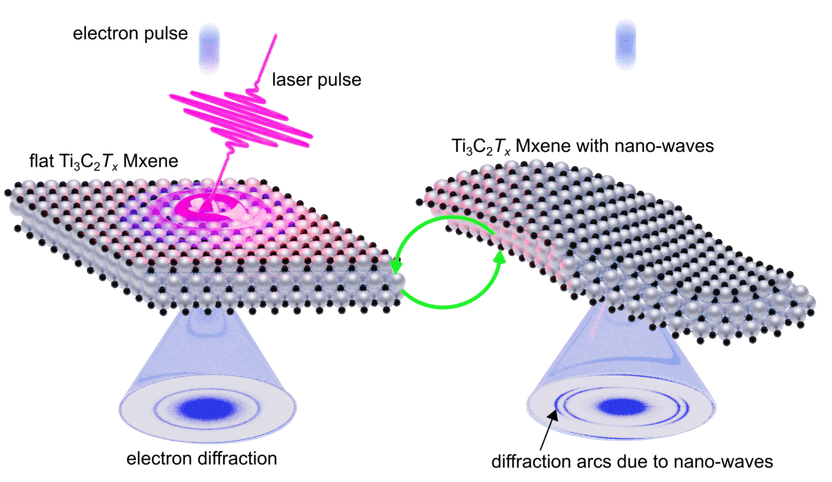
Light-induced shape shifting of MXenes - Femtosecond light creates switchable nano-waves in MXenes and moves the materials’ atoms at a record-breaking speed
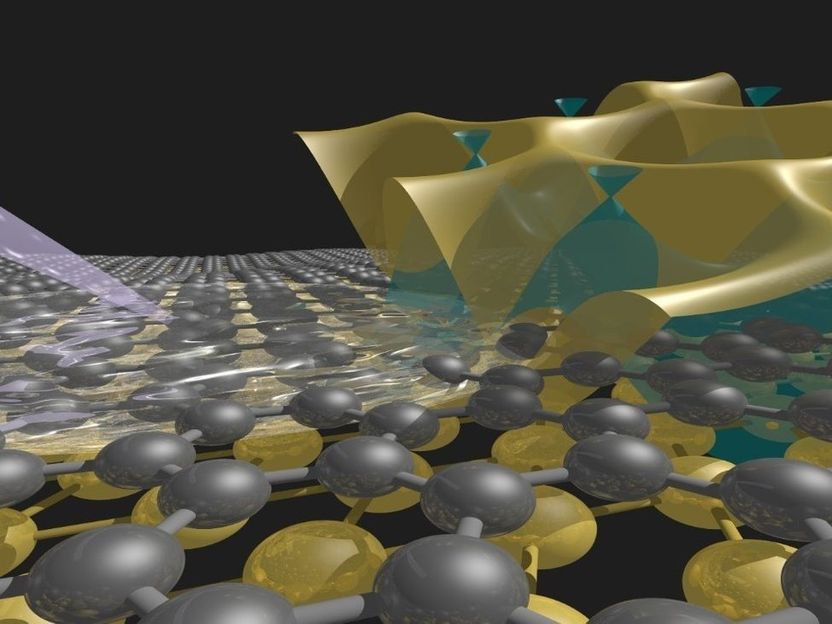
A touch of gold and silver - For the first time, it is possible to produce crystalline layers of precious metals that consist of a single atomic layer and which are semiconducting
Nanoparticle supersoap creates 'bijel' with potential as sculptable fluid

Inspired by nature: Scientists have developed a nanopore-microchip

Reinforcement of structures with Memory Steel
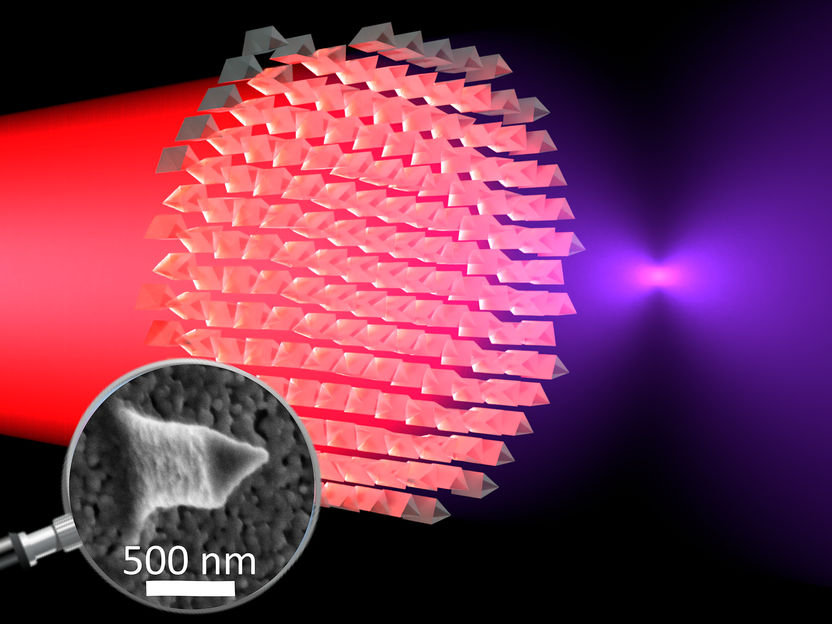
Ultra-thin lenses that make infrared light visible - Researchers have achieved this using a special metal-oxide lens material called lithium niobate and through nanoscale pattern, stamped into the material

Team develops bioprocess for converting plant materials into valuable chemicals

Wonder material graphene claims yet another superlative
Magnets trump metallics - Magnetic fields can block conductivity of carbon nanotubes

Cellphone converts into powerful chemical detector - With only $50 worth of components, an ordinary cellphone transforms into a sophisticated scientific instrument, capable of identifying chemicals, drugs, and pathogens