Comparing fungal secretions to uncover carbon compound degradation pathways
Advertisement


Their unassuming appearances may cause them to be overshadowed by the plants or animals in their natural habitats, but fungi play key roles in maintaining their ecosystems. From breaking down leaf litter and decaying wood in forests to cleaning contaminated soils and waters, fungal enzymes are being characterized for potential use in a wide variety of energy and environmental challenges.
Fungal secretomes, those collections of all molecules secreted by a cell, contain enzymes that can break down plant cell wall components such as cellulose, hemicellulose and lignin. These capabilities make them of interest to bioenergy researchers looking for cost-effective ways to convert plant mass into sustainable, alternative transportation fuels. In a study published in Plos ONE, a team led by researchers at Harvard University and Woods Hole Oceanographic Institution (WHOI) conducted a comparative analysis of the secretomes of four recently-isolated and sequenced filamentous Ascomycete fungi to learn more about the variety of pathways they deploy to break down carbon compounds.
"While the secretomes of model organisms such as the white-rot Basidiomycete Phanerochaete chrysosporium and members of the Aspergillus genus have been well characterized, little is known about the enzymatic capabilities of environmental isolates. Thus, the mechanisms of carbon degradation by many ubiquitous soil fungi remain poorly understood," said study first author Carolyn Zeiner, now a postdoctoral research associate at Boston University. "This work suggests that a more taxonomically and mechanistically diverse community of fungal species contributes to environmental lignocellulose degradation beyond the traditional wood-rot Basidiomycetes."


Other news from the department science




















Most read news












More news from our other portals


























Last viewed contents
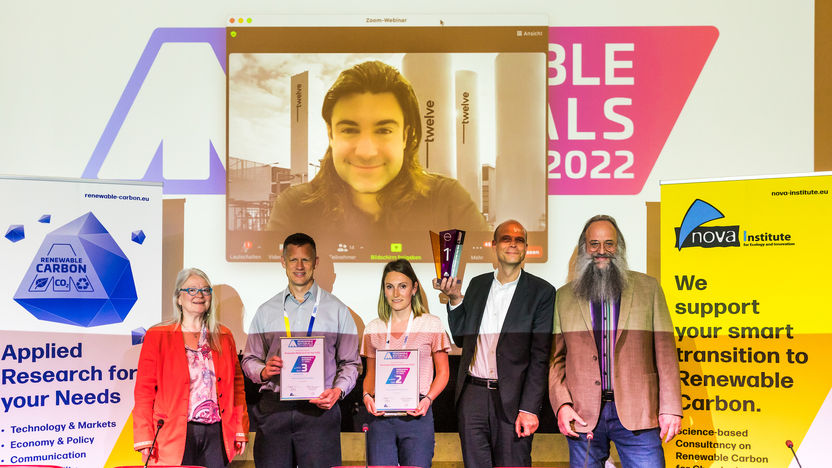
Many advanced and proven solutions to replace fossil carbon in chemistry and materials already available - Electrochemical transformation of CO₂, a natural polymer for paper and cardboard coating and material-to-material molecular recycling of plastic waste are the winners of the innovation award “Renewable Material of the Year 2022”
Texans are turning to a different kind of spirit - Vodka and saltier is better
Further understanding of a process that causes heat loss in fusion devices

Chemists establish fundamentals of ferroelectric materials

Sinopec Launches the World's Largest Green Hydrogen-Coal Chemical Project in Inner Mongolia - Investments of USD 828 million

Synthopol Chemie Dr. rer. pol. Koch GmbH & Co. KG - Buxtehude, Germany
Disposal of effluents from neutralised Syrian chemical weapons completed
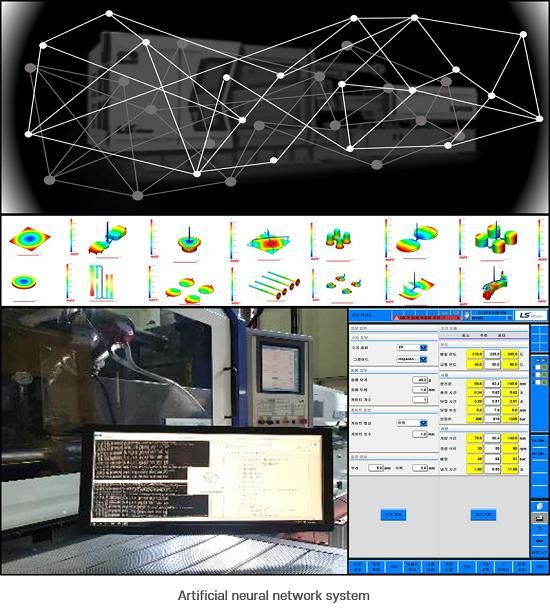
Smart AI makes all kinds of shapes on its own - Artificial neural network system recommends plastic molding process conditions

Seeing the invisible: A real life Eye of Sauron? - “That’s the idea here: an all-seeing eye that can detect hazardous aerosols against a very crowded background of other substances”
Neutron-rich nucleus shapeshifts between a rugby ball and a discus
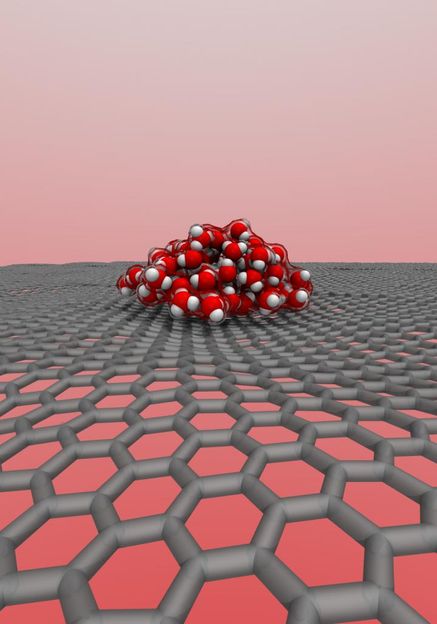
Surfing water molecules could hold the key to fast and controllable water transport - Scientists have identified a new way of moving molecules across the surfaces of certain materials.