Monsanto Releases the Genome Sequence of a Bacterium that is the 'Natural Genetic Engineer' of Plants
Advertisement


The genome sequence for Agrobacterium tumefaciens, a bacterium that can naturally transfer DNA to plant cells, has been released by scientists at Monsanto Company working in collaboration with a research group at the University of Richmond, VA.
A Monsanto team led by Dr. Steve Slater from Cereon Genomics, a subsidiary of Monsanto based in Cambridge, MA, collaborated with Dr. Brad Goodner and his research team from the University of Richmond.
"Agrobacterium tumefaciens is one of the most important tools for plant biotechnology," said Dr. Slater. "Our understanding of this bacterium and its natural ability to stably insert genes into plants has allowed the development of many of the crops enhanced through biotechnology that farmers are growing today. The availability of the genomic sequence can help to improve the process of producing new crop varieties through biotechnology."
"The organism is also extremely interesting from an evolutionary viewpoint since it has both a typical circular bacterial chromosome, and a linear chromosome that seems to have evolved from a plasmid. This structure appears unique to a small group of bacteria that are closely related to Agrobacterium," said Dr. Slater.
"This genomic sequence will help researchers to understand more about how this bacterium interacts with plants," said Dr. Goodner.
The DNA sequence for Agrobacterium tumefaciens strain C58, which includes two plasmids and two chromosomes, has been downloaded to GenBank, the DNA sequence warehouse of the National Center for Biotechnology Information (NCBI) at the U.S. National Institutes of Health in Bethesda MD. The data will be available to the public when released by NCBI and can be viewed on the NCBI website.
Agrobacterium has been closely studied since 1907 when scientists showed that it is the cause of the plant disease called crown gall. During the 1940s and 1950s, other researchers showed that Agrobacterium is only needed to initiate the disease, which can continue well after the bacterium has been removed. Thus, the bacterium has "transformed" the plant cells.
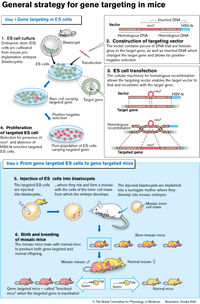
In the 1970s and 1980s, researchers demonstrated that Agrobacterium transfers a portion of its own DNA into the plant's DNA, thereby introducing new genes that lead to crown gall formation. Modification of Agrobacterium DNA in the laboratory to remove the genes involved in crown gall formation eventually allowed the introduction of many other genes into plants.
Dr. Goodner's research group included a number of undergraduates, who contributed to the mapping phase of the project and benefited from involvement with an evolving genome sequencing effort. The Agrobacterium genome project was an integral part of Dr. Goodner's genetics course at the University of Richmond and Dr. Goodner, who recently joined the faculty of Hiram College in Ohio, will continue using Agrobacterium genomics as a key learning opportunity for his students.
"An entire genome sequence provides huge numbers of genes for analysis," said Dr. Goodner. "Integrating this analysis with an undergraduate genetics course provides a unique opportunity for students to participate in cutting-edge research as they learn."
Monsanto's sharing of the Agrobacterium genome sequence data reflects the New Monsanto Pledge and its commitment to sharing of knowledge and technology to benefit people and the environment. The New Monsanto Pledge is a commitment to develop and sell products in a safe and socially responsible manner. Other specific commitments include dialogue with interested parties; transparency with information and regulation; respect for religious, cultural and ethical concerns; and benefits for growers and the environment.


Other news from the department science



















Most read news











More news from our other portals

























Last viewed contents
Linde and Evonik intensify collaboration in the area of membrane gas separation
LANXESS takes over Chemours’ Clean and Disinfect specialties business - First acquisition after successful completion of realignment program

Ashland completes second expansion of bioresorbable polymers manufacturing and R&D lab in Ireland - Planned ribbon cutting event demonstrates company commitment to investment in innovation platforms and local presence
New Global Initiative For Evidence-Based Referral Criteria in Rheumatoid Arthritis (RA)
LANXESS to build plant in Lipezk in Russia - LANXESS subsidiary Rhein Chemie to produce rubber additives and release agents in Russia from 2014
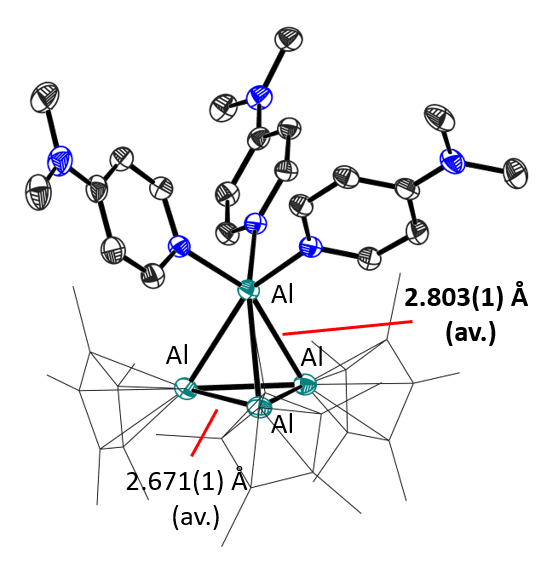
Important milestone on the way to transition metal catalysis with aluminum - Chemists successfully synthesize a cationic, low-valent aluminum complex salt via metathesis
Eisai: Establishment of new pharmaceutical marketing subsidiary in Belgium
Air Liquide: start-up of a new unit in Tatarstan
Shimadzu announces completion of new quality center
Essential Ingredients: Report on the Global Market for Fillers - GCC and Carbon Black Dominate the Market
