Loading...
AkzoNobel GLDA chelates approved by US EPA
18-Aug-2010
- USA
Advertisement


AkzoNobel’s global chelates business announced that its GLDA (l-glutamic acid, N,N-di (acetic acid), tetrasodium salt) chelates have been approved by the United States Environmental Protection Agency (EPA) for use in non food contact pesticide formulations.
The EPA has added the chelating agent, marketed by AkzoNobel Functional Chemicals as Dissolvine® GL-Na4 (CAS Reg. No. 51981-21-6), to the list of approved FIFRA Inert Ingredients. As such this product is permitted in non food use of pesticide products that are hard surface sanitizers and disinfectants for indoor surfaces at a maximum concentration of 5% by weight in the formulation


Other news from the department research and development















Most read news









More news from our other portals



























Last viewed contents
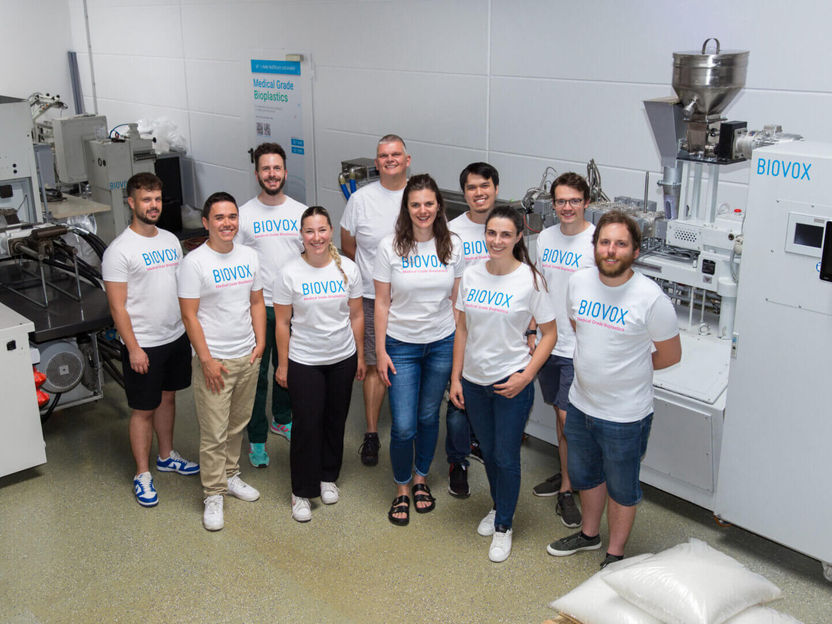
Traction for sustainable healthcare plastics - BIOVOX successfully closes €2.2 million seed round
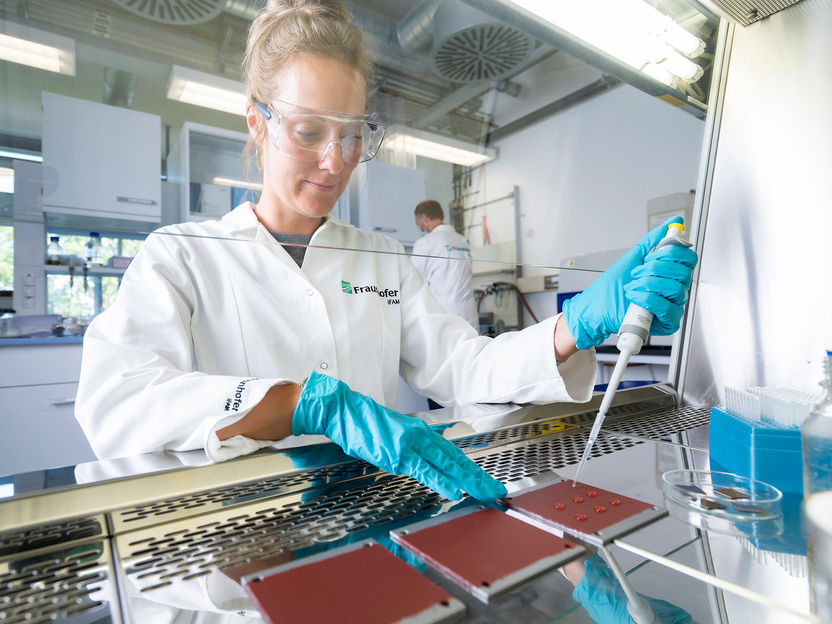
Analysis system enables targeted investigation of antiviral surfaces for material developers - Use of real-time polymerase chain reaction to test antiviral effectiveness

Researchers watch chemistry unfold atom by atom - Study suggests a new way to follow electronic and vibrational dynamics in real time
RCT Reichelt Chemietechnik | One-component adhesives | Reichelt Chemietechnik

Quantum Annealer Improves Understanding of Quantum Many-Body Systems

How light activates MoS2 layers to become catalysts

Inspired by nature: Scientists have developed a nanopore-microchip
Biesterfeld Spezialchemie expands cooperation with Dow Corning
The hidden roughness of sapphire surface - Geometry determines chemistry: Nanometer-scale roughness fundamentally alters surface reactivity
Georg Fischer opens factory in India

Tattoo inks: How much colour gets into the body? - Evaluate possible health risks of potentially hazardous chemicals in tattoo ink more accurately in the future
