The competitiveness of low-carbon fuels depends on location
New infrastructure could boost European production
Advertisement


In a new study, researchers at the Paul Scherrer Institute PSI compare the production costs of 21 different low-carbon fuel technologies across the globe. Their analysis shows that location-specific factors including both resource availability and financing conditions will be decisive for the future success of a given technology.
Low-carbon fuels — such as biofuels derived from biomass or synthetic fuels produced using power-to-X technologies based on renewable electricity — generate significantly fewer greenhouse gas emissions than fossil alternatives.
These fuels are considered essential for reaching climate targets, particularly in so-called “hard-to-abate” sectors, including aviation, maritime shipping, and specific industrial processes. In these areas, direct electrification often reaches technical limits due to the high energy density required or the very high process temperatures involved.
Where and under which conditions these fuels can be produced most cost-effectively has remained unclear. Previous studies typically focused on individual technologies or regions, making global comparisons difficult. In a new study, Zipeng Liu and colleagues at the PSI Laboratory for Energy Systems Analysis have now addressed this question.
The team presents a comprehensive techno-economic assessment of twenty-one low-carbon fuel production technologies. Using a harmonised and globally consistent framework, they compare costs across countries and over time — from 2024 to 2050 — under multiple scenarios.
The analysis confirms that no single technology will dominate globally. Instead, costs vary significantly between regions, depending on local resources and financing conditions. The findings are published in the journal Energy and Environmental Science.
Geospatial factors and financing conditions impact costs
For their analysis, the researchers calculated the average production costs of the various fuels over their entire lifetime. “We accounted for capital expenditure for each technology, operation costs, country-specific labour costs, and the cost of capital,” explains Liu. “The cost of capital depends both on country risk — such as political and economic stability — and on the maturity of the technology.”
Liu continues, “Geospatial factors play a crucial role. For example, the availability of local energy sources, as well as the country-specific cost of capital, have a large impact on overall fuel production costs.”
One result of the study is a country ranking that shows which countries would be the best for producing fuels in certain ways, as well as which countries could serve as importers to Europe. For instance, blue hydrogen — produced from natural gas with carbon capture — and turquoise hydrogen, produced via methane pyrolysis, are currently most economically attractive in gas-rich regions such as the United States, the Middle East and Central Asia. In contrast, green hydrogen produced from renewable electricity becomes increasingly competitive by 2050 in renewable-rich countries such as Canada, Spain and Australia.
However, a higher degree of granularity is sometimes needed, Liu explains: “We used national-level resolution, but there could be sub-national level characteristics. For example, in big countries like China or the US, the sub-national resolution can be very different.”
New infrastructure could boost European production
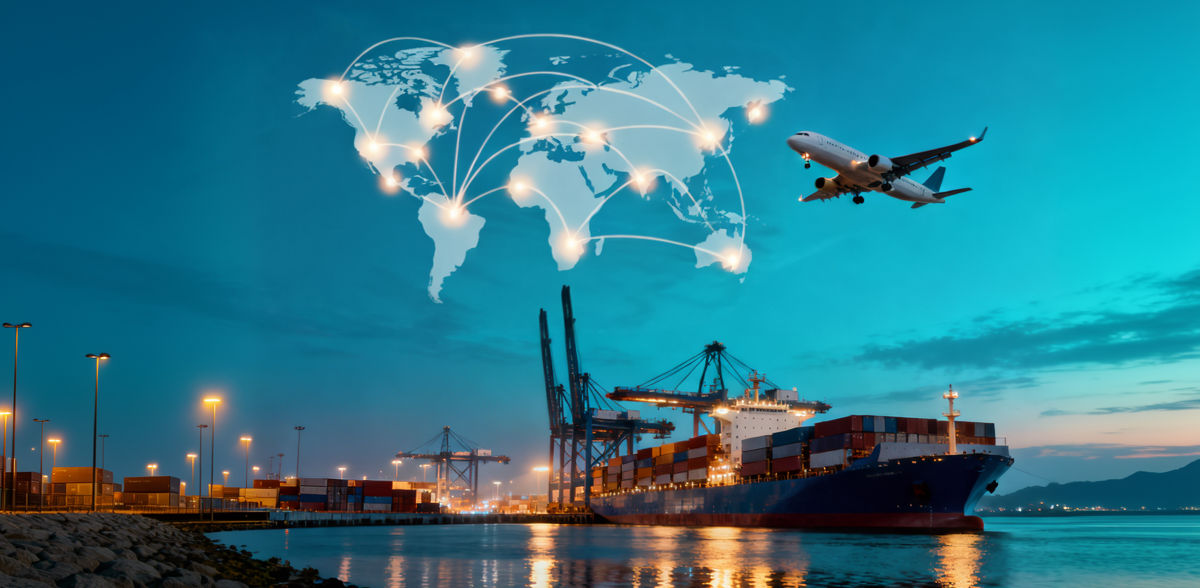
The cost of transporting low-carbon fuels also contributes to their viability. For Europe, Liu first calculated a global transport by ship to Antwerp, followed by inland transport to Basel, Switzerland. Basel was chosen because it is in the centre of Europe and it can be used as an example for different transport pathways, such as rail, truck, or pipeline.
The analysis shows that having a European pipeline system would strongly contribute to the economic viability of European low-carbon fuels — for example in Spain, with its strong solar resources, or in the wind-rich North Sea region. Also regions like North Africa could connect via pipeline, undercutting faraway producers in Australia or Chile.
Location matters
“We found that there is no single technology winner globally,” says Liu. “Which solution makes economic sense depends strongly on regional resources and financing conditions.”
While green hydrogen benefits from falling renewable energy costs and is therefore likely to become cheaper in the long term, turquoise hydrogen may hold short-term advantages in regions with low-cost natural gas. Biofuels, too, are particularly competitive where sustainable biomass is abundant. “This is why policymakers need to consider local factors,” Liu adds.
The PSI study aims to assess the future technological and economic feasibility of low-carbon fuels. Right now, many of these technologies have relatively low technology-readiness levels. The analysis helps estimate when and for which production pathways these technologies could become economically feasible, providing guidance on where investment may be most effective. Market dynamics, tariffs, and detailed environmental impacts were not part of this assessment and remain subjects for further research.
The work was performed within the research project “SHELTERED”, funded by the Swiss Federal Office of Energy (SFOE), and the reFuel.ch consortium, which is sponsored by the Swiss SFOE ’s SWEET programme. The Laboratory for Energy Systems Analysis is part of both the PSI Center for Energy and Environmental Sciences and the Center for Nuclear Engineering and Sciences.
Original publication


Other news from the department science





















Most read news











More news from our other portals



























Last viewed contents
Deep tech startup Reduciner introduces novel technology to turn captured carbon into sustainable fuels - Raising 3.6 million euros in its initial funding round, the Finnish startup plans to build its first industrial-scale pilot
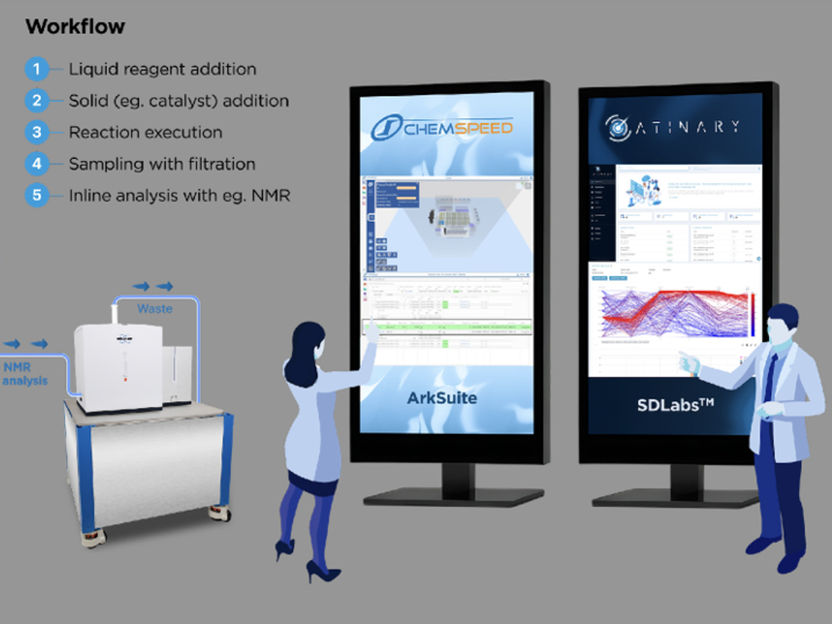
Bruker announces strategic collaboration with Atinary Technologies to advance self-driving laboratories

FUST Lab Receives Investment from Asia2G Capital - The Korean deep-tech company plans to use the capital to expand into the U.S., European, and Japanese markets

ACHEMA Middle East: Debut in Saudi Arabia not until 2027 - Messe Frankfurt Saudi Arabia and DECHEMA are responding to regional uncertainties and are also changing the venue

New core-shell design for anodes significantly increases performance of sodium-ion batteries - Researchers coat porous carbon with a filter-like layer that allows sodium ions to pass through while keeping disruptive electrolyte molecules out

New "chemical armor" could unlock the holy grail of solid-state battery technology - A simple one-step coating builds a silicon-indium hybrid shield on lithium metal, quadrupling current density and extending battery cycle life
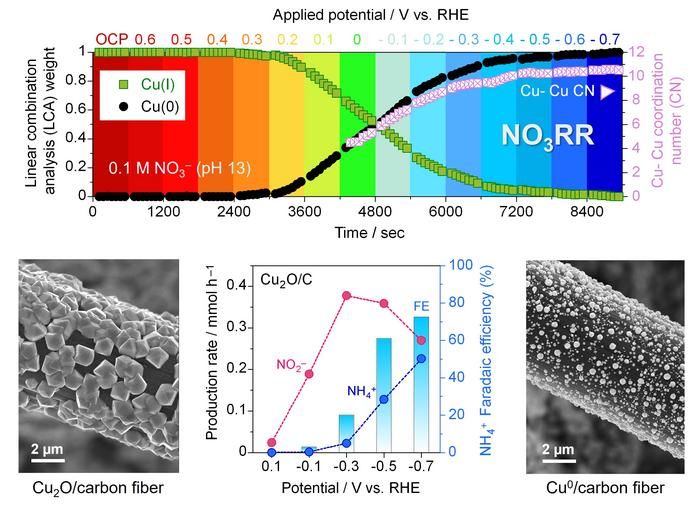
Scientists unveil mechanism behind greener ammonia production
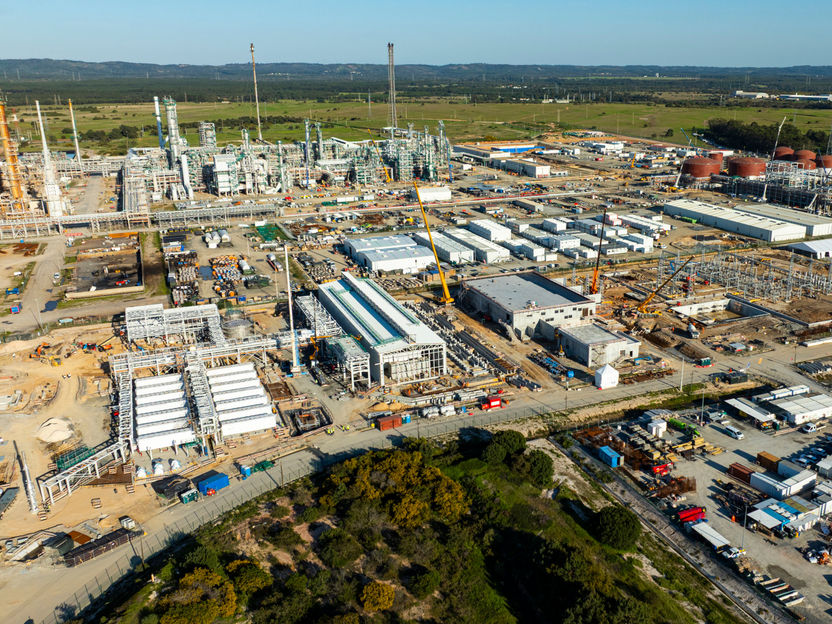
Siemens to digitalize one of Europe's largest renewable hydrogen projects - Physics-based digital twin and real-time optimization
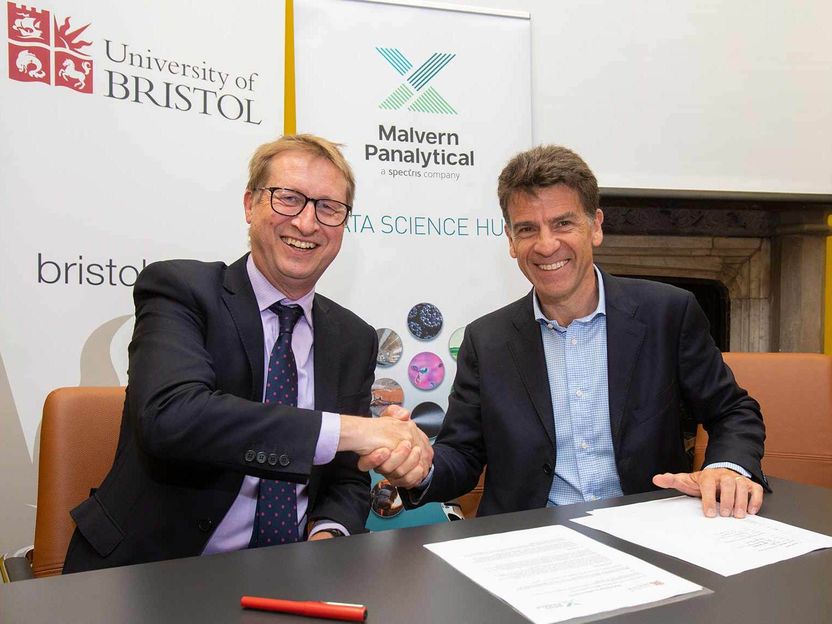
Collaboration between University of Bristol and Malvern Panalytical - Bringing academia and business together to solve global challenges

Digital lab day 2025 celebrates international success - virtual battery day 2025 follows in November

RE:VOLTAGE and CometHire Win the HTW Startup Challenge 2026 in Berlin - The competition awarded 10,000 euros in prize money in the GreenTech and Impact Entrepreneurship categories