Neste launches world's largest chemical plastic recycling plant
€111 million investment for high-quality feedstock for the plastics and chemicals industry
Advertisement


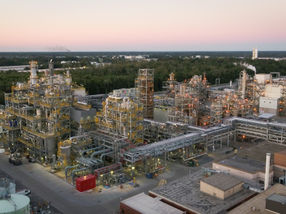
Neste has successfully commissioned its new upgrading facility for liquefied waste plastic (LWP) at its Porvoo refinery in Finland. This EUR 111 million investment marks a major milestone in the scale-up of chemical recycling, enabling the production of high-quality feedstock for the plastics and chemicals industry. With an annual capacity to process up to 150,000 tons of liquefied waste plastic, the facility is the world’s largest LWP upgrading facility, and processing will be gradually ramped up.
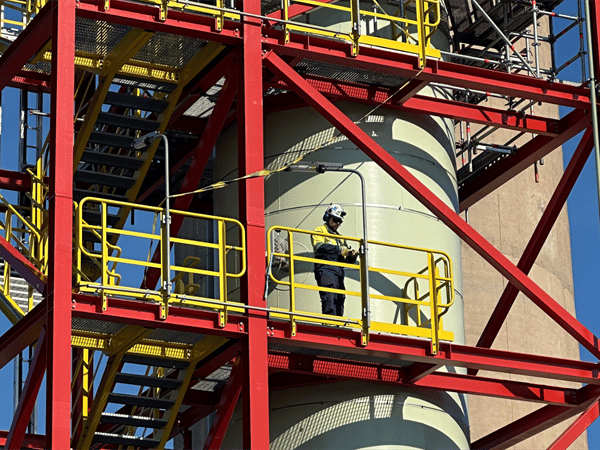
Photo: Neste’s new facility to upgrade liquefied waste plastic into high-quality petrochemical feedstock is located at the company’s existing refinery in Porvoo, Finland.
Neste
“The successful commissioning proves that we can process liquefied waste plastic at an industrial scale. This achievement demonstrates Neste's capability to develop advanced technology, set safety standards, and create new supply chains for challenging new raw materials. We are proud of this achievement, and I want to express my sincere thanks to our partners and employees whose dedication has allowed us to turn this vision into a reality,” says Jori Sahlsten, Executive Vice President of Oil Products at Neste.
Neste has processed liquefied waste plastic (e.g. pyrolysis oil) since 2020. The construction of the new upgrading facility and its integration to the existing oil refinery began in 2023 and was completed at the end of 2025. Production ramp-up was commenced in 2026 and will advance gradually depending on market and legislation development.
The new facility allows Neste to close the quality gap between crude liquefied plastic waste and the high-quality drop-in raw materials required by the petrochemical industry. While mechanical recycling remains essential, it is often limited by the quality of the waste. Neste’s new facility is specifically designed to process oils derived from challenging waste plastic streams – such as multi-layer packaging, mixed plastic waste, and contaminated plastics.
“We enable the scale-up of chemical recycling by upgrading liquefied plastic waste. The plastic originates from low-quality waste streams not suitable for mechanical recycling and destined for incineration or landfills. Thanks to our new facility, even hard-to-recycle plastic waste can be upgraded to meet the feedstock quality requirements of companies manufacturing high-quality plastics. However, the current European Commission’s calculation rules on recycled content in the Single Use Plastics Directive threaten to limit the ability of refineries to serve EU’s recycled content targets. For Europe's competitiveness sake, we need to ensure the calculation rules are amended to include refineries in the context of the EU Packaging and Packaging Waste Regulation,” says Maiju Helin, Director of Polymers and Chemicals at Neste.
In the new upgrading facility, Neste processes liquefied waste plastic together with crude oil. A mass balance approach is applied to attribute the recycled raw materials used in the process to the recycled Neste RE™ product. With the use of recycled Neste RE, a reduction of over 70%* in virgin fossil resource consumption (abiotic depletion) and a reduction of over 35%* in greenhouse gas (GHG) emissions can be achieved when plastic waste is chemically recycled instead of incinerated and then used to replace fossil feedstock in plastics manufacturing.


Other news from the department business & finance









Most read news












More news from our other portals



























Last viewed contents
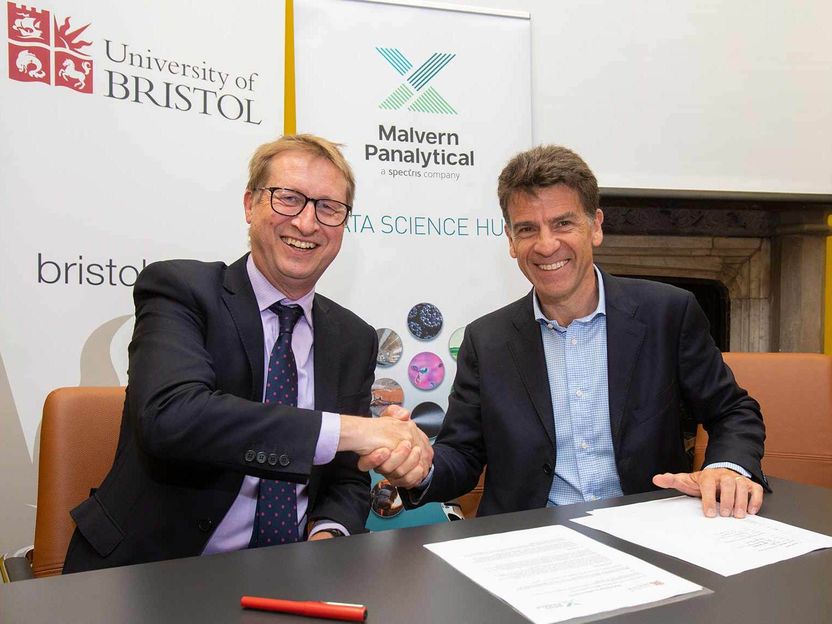
Collaboration between University of Bristol and Malvern Panalytical - Bringing academia and business together to solve global challenges

Digital lab day 2025 celebrates international success - virtual battery day 2025 follows in November

RE:VOLTAGE and CometHire Win the HTW Startup Challenge 2026 in Berlin - The competition awarded 10,000 euros in prize money in the GreenTech and Impact Entrepreneurship categories
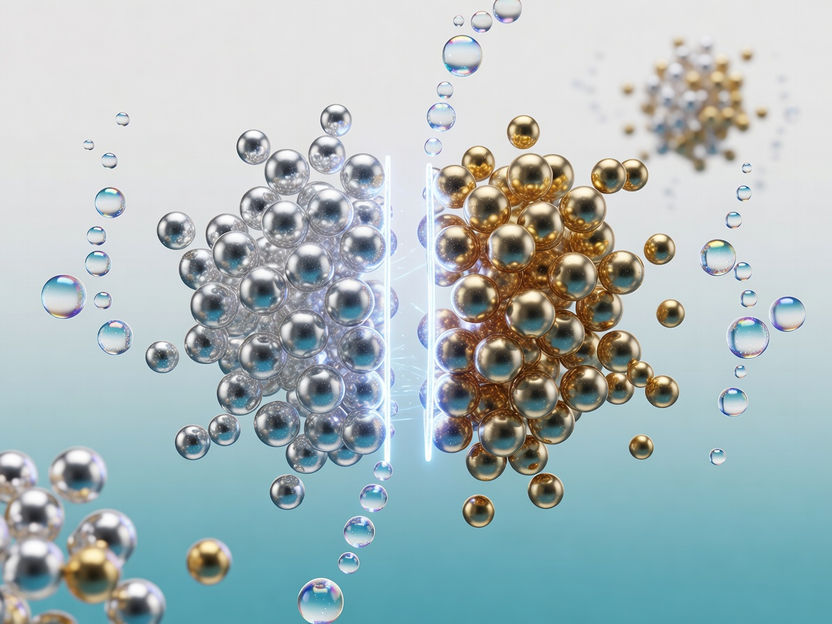
Atomic reshuffle paves way for record-breaking catalysts for hydrogen production - "This opens a new strategy for designing adaptive catalysts for a wide range of applications"

Global underground CO₂ storage hits record 43.6 million tonnes - London Register expands reach
Research Breakthrough on the Path to a New Reserve Antibiotic - For the first time, chemists have succeeded in synthesizing the highly potent natural compound neosorangicin A
Endress+Hauser expands its presence in the U.S. - 44 million euros are being invested in the new facility in Greenwood, Indiana
Plastic bottles could find new life in batteries as graphite - Penn State researchers converting PET waste into synthetic graphite that outperforms natural graphite
Turning food waste into carbon captors - Expected to be cheaper than other capture methods
Study shows: Lithium and sodium-ion technologies are more closely linked than assumed - "Switching to a new battery technology does not automatically open the door to new market players"

ETH spin-offs sweep the board at Venture Awards