New fabric coating could thwart chemical weapons, save lives
Advertisement


chemical weapons are nightmarish. In a millisecond, they can kill hundreds, if not thousands. But, in a study, scientists report that they have developed a way to adhere a lightweight coating onto fabrics that is capable of neutralizing a subclass of these toxins -- those that are delivered through the skin. The life-saving technique could eventually be used to protect soldiers and emergency responders.
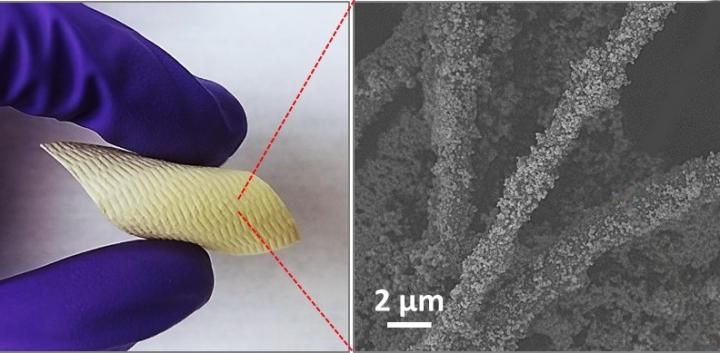
A new fabric coating could neutralize chemical weapons and help save countless lives.
American Chemical Society
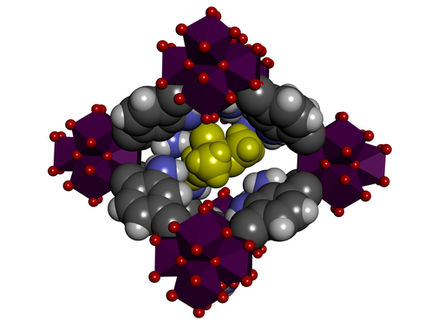
Since their first use in World War I, dozens of chemical weapons with devastating potential have been developed. For example, just a pinprick-sized droplet of the nerve gas sarin on the skin is lethal. Recently, scientists have begun exploring the use of zirconium-based metal-organic framework (MOF) powders to degrade and destroy these harmful compounds. MOFs are miniscule, porous structures that have large surface areas that allow them to absorb vast amounts of gases and other substances. The zirconium within them helps neutralize toxic materials. But making MOFs can be tedious, requiring high temperatures and long reaction times. Plus, most MOF powders are unstable and incorporating them onto clothing has proven challenging. Dennis Lee, Gregory N. Parsons and colleagues wanted to see if they could "grow" MOFs onto fabric at room temperature, potentially creating a lightweight shield that could be used on uniforms and protective clothing.
Building on previous work, the researchers exposed polypropylene, a nonwoven fabric commonly used in reusable shopping bags and some clothing, to a mixture consisting of a zirconium-based MOF, a solvent and two binding agents. To ensure that the coating spread evenly across the cloth, they treated the fabrics with thin layers of aluminum, titanium or zinc oxide. They tested this combination with dimethyl 4-nitrophenyl phosphate (DMNP), a relatively harmless molecule that has similar reactivity as sarin, soman and other nerve agents. They found that the MOF-treated cloths deactivated the DMNP in less than 5 minutes, suggesting this process is a viable means to create improved protective clothing.
Original publication


Other news from the department science




















Most read news












More news from our other portals


























Last viewed contents
Hydrogen chloride can now be stored, processed, and electrolyzed safely thanks to breakthrough - New method paves the way for safer, more sustainable hydrogen and base chemical production
Reusable plastic bottles release hundreds of chemicals - Have you ever experienced the strange taste of water after it has been in a reusable plastic bottle for a while?
RCT Reichelt Chemietechnik | Diaphragm pressure transmitters | Reichelt Chemietechnik
Common structural analysis of interfacial water is inadequate, according to a new study - Water molecules at the air-water interface characterised layer by layer for the first time
Schering AG raises outlook for 2005 after strong first six months

Turning fallen leaves into sustainably made paper - Ukrainian scientist selected as a finalist for the Young Inventors Prize 2024

Fixation of powder catalysts on electrodes
Unique system for welding highly irradiated metal alloys
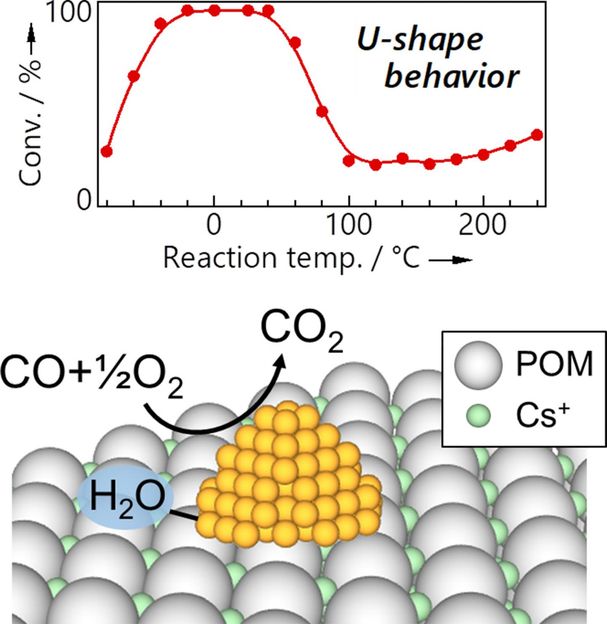
Ultra-efficient removal of carbon monoxide using gold nanoparticles on a molecular support

Frequency combs: the key to the next generation of spectroscopy - A review article demonstrates how dual-comb interferometers can determine resolution solely through temporal coherence.

Evonik starts construction of second methionine complex in Singapore - Investment of more than half a billion euros