Laboratory Vacuum Systems
Design, Optimization, and Performance Strategies for Stable and Efficient Operation
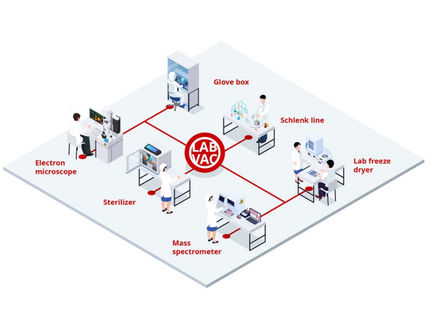
Vacuum systems are essential laboratory infrastructure, not just auxiliary equipment. They directly affect analytical stability, instrument uptime, energy consumption, risk of contamination, and workplace conditions. In many labs, backing-vacuum systems are sized per instrument instead of for the overall setup, which can reduce efficiency and operational stability. Key optimization measures include proper matching of pumping stages, defined backing pressure, central vacuum supply, and redundancy. The Eurofins Umwelt West GmbH case illustrates this: ten oillubricated rotary vane pumps on GC/MS systems were replaced by two dry scroll pumps in a redundant configuration. This reduced pump-related electricity use by 60–70%, lowered airconditioning demand, eliminated oil disposal, reduced maintenance, and improved the working environment. Centralized solutions are not universally required but can offer significant advantages in laboratories with multiple instruments and non-synchronous operation. Vacuum architecture should be treated as a strategic design parameter in laboratory operations
Download white paper now
Laboratory Vacuum Systems
Design, Optimization, and Performance Strategies for Stable and Efficient Operation


White Paper classification
White papers on related topics
Products on related topics
Manufacturers of similar products
You may also be interested in these white papers



See the theme worlds for related content
Topic World Mass Spectrometry
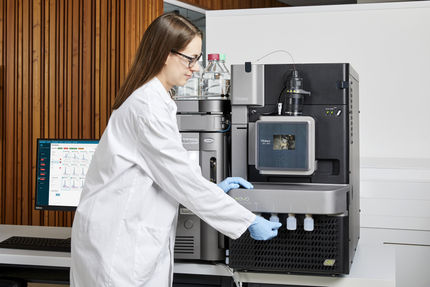
Mass spectrometry enables us to detect and identify molecules and reveal their structure. Whether in chemistry, biochemistry or forensics - mass spectrometry opens up unexpected insights into the composition of our world. Immerse yourself in the fascinating world of mass spectrometry!

Topic World Mass Spectrometry
Mass spectrometry enables us to detect and identify molecules and reveal their structure. Whether in chemistry, biochemistry or forensics - mass spectrometry opens up unexpected insights into the composition of our world. Immerse yourself in the fascinating world of mass spectrometry!
Topic World Sustainability in the laboratory
The main topic of sustainability in the laboratory highlights innovative approaches and technologies that reduce the ecological footprint in laboratories. These include energy-efficient equipment, resource-saving consumables, green chemistry, recycling initiatives and sustainable laboratory management solutions.

Topic World Sustainability in the laboratory
The main topic of sustainability in the laboratory highlights innovative approaches and technologies that reduce the ecological footprint in laboratories. These include energy-efficient equipment, resource-saving consumables, green chemistry, recycling initiatives and sustainable laboratory management solutions.