Fighting Chemical Pollution Water: Purification using Algae
Fossil remains of diatoms can efficiently remove contaminants from water after being chemically modified
Advertisement


Europe's water bodies are in poor condition: more than half of them are heavily polluted with chemicals. This is hardly surprising – every day, up to 70,000 different chemicals are used in Europe’s industries and agriculture. Researchers at the University of Duisburg-Essen have now developed a new method for purifying polluted water. Their recent study demonstrates that the fossil remains of diatoms (a type of algae) can efficiently remove contaminants from water after being chemically modified.
Researchers have identified more than 500 chemicals in Europe's rivers, originating from industrial and agricultural sources, threatening aquatic habitats. The team led by Junior Professor Dr Anzhela Galstyan aims to remove these chemicals using algae. "Diatoms are microscopic single-celled organisms that live in water and possess a cell wall made of silica (silicon dioxide). Thanks to its porous structure, it can absorb a wide variety of pollutants," Galstyan explains.
In their study, the researchers tested diatom shells on two exemplary pollutants commonly found in rivers and groundwater due to the textile industry: methylene blue and methyl orange. To enhance the adsorption capacity, the diatomaceous earth was chemically modified by adding specific functional groups to its surface. “This could easily be implemented on an industrial scale,” emphasises the junior professor for nanomaterials in aquatic systems.
The diatomaceous earth was tested in the lab under various conditions, such as different salt concentrations and pH levels. The results are promising: regardless of the conditions, the material consistently removed pollutants effectively. For comparison, the researchers evaluated silica, a material already established in water purification. Diatomaceous earth performed significantly better: within an hour, up to 100 per cent of methylene blue was removed, whereas silica removed only 88 per cent of the dye in the same period. For methyl orange, both silica and diatomaceous earth absorbed about 70 per cent of the pollutant.
"We see diatomaceous earth as an eco-friendly and cost-effective solution for water treatment," Galstyan concludes. The significant advantage is that algae are a renewable resource and can be cultivated with minimal energy input – unlike the commonly used filter material, activated carbon.
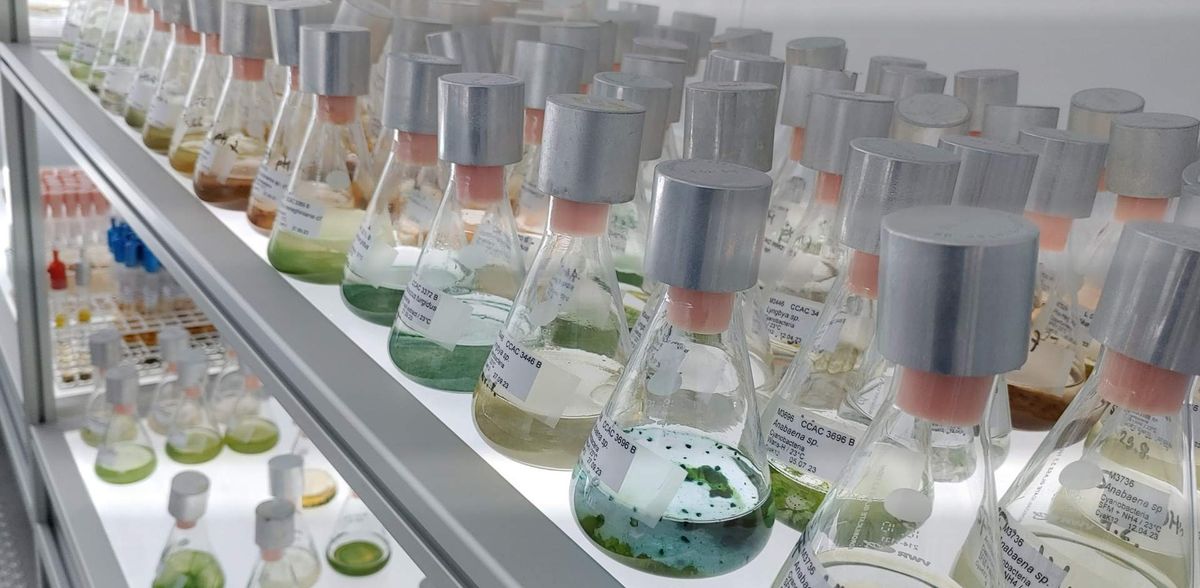
The researchers are now examining how diatomaceous earth can be used in membranes for water purification. Thanks to the world's largest algae collection, housed at the University of Duisburg-Essen, the conditions for developing this environmentally friendly technology are ideal.
Original publication


Other news from the department science





















Most read news












More news from our other portals

























Last viewed contents
Artificial Intelligence has learned to estimate oil viscosity - Indirect measurements are a lucky alternative for a variety of sectors
‘Smart plastic’ material is step forward toward soft, flexible robotics and electronics - A new plastic-like material can be manipulated to be soft and stretchy or hard and rigid with only the application of a catalyst and visible light
Exotic vibrations in new materials - New insights show universal applicability of carbyne as a sensor
BASF increases price for Vitamin B2

First controllable nanoscale gas-liquid interface fabricated
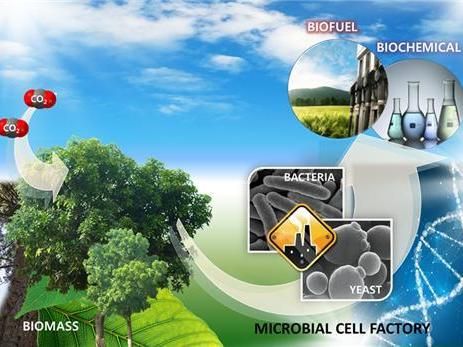
Biodiesel made from discarded cardboard boxes - Development of a microorganism that doubles the yield of biodiesel precursor production using genetic scissors and based on the principles of evolution

Breakthrough for efficient and high-speed spintronic devices - New soft X-ray source could be used for many applications in physics, chemistry, and biology

Keep safe and cool in the pool - Novel chip sensor quickly and continuously does all the work of a chemistry laboratory

“Dictionaries” make fluorescence-based data for integrative structure models and their dynamics accessible - 3D structures of biomolecules

PSL - Powder Systems Limited - Liverpool, United Kingdom
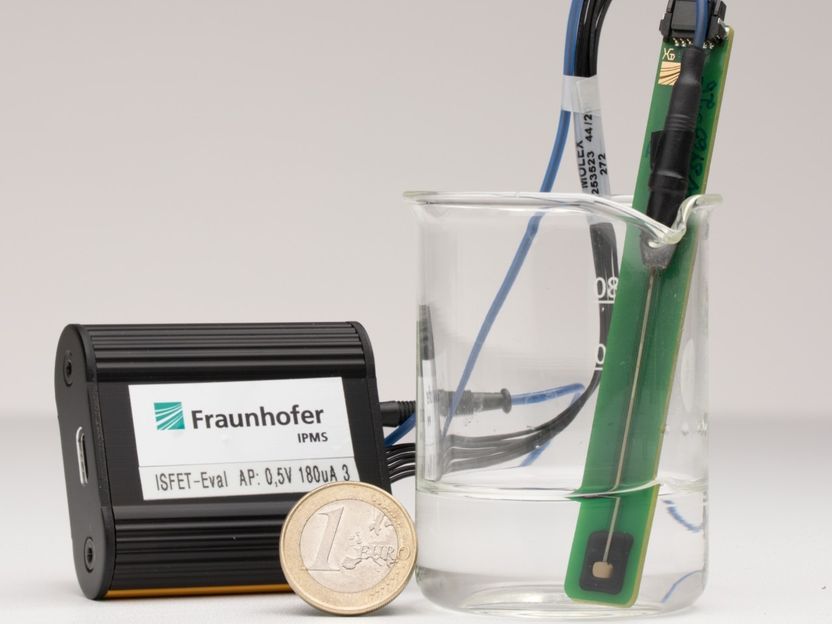
Significant progress achieved in chemical liquid analysis - ISFET-based pH sensor-control successfully miniaturized and optimized for easy use