Asahi Kasei to double production capacity for photosensitive polyimide PIMEL by 2030
Strengthening supply resilience of key material for global semiconductor industry
Advertisement


Asahi Kasei will increase PIMEL™ photosensitive polyimide (PSPI) production capacity at its Fuji City facility in Shizuoka Prefecture, Japan. PSPI is a key material for the global electronics industry, mainly used for buffer coatings and passivation layers in semiconductor applications. By doubling its capacity by 2030, Asahi Kasei underlines its commitment to growing its Electronics business and reinforcing its position as a key supplier for the global semiconductor industry.
With the global semiconductor industry entering a new growth cycle and projected to surpass US$1 trillion in revenue by the mid-2030s, as reported by consulting firm Alvarez & Marsal, Asahi Kasei has forecasted that the demand for next-generation semiconductor interlayer insulation will continue to grow rapidly at an average annual growth rate of 8%.
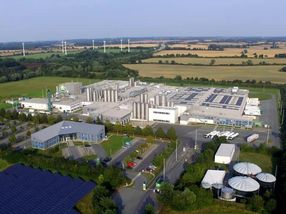
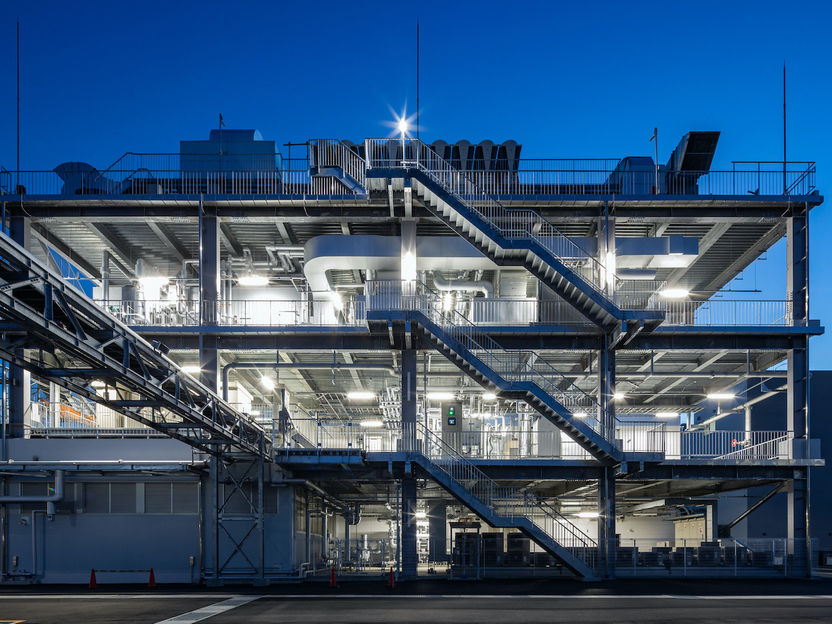
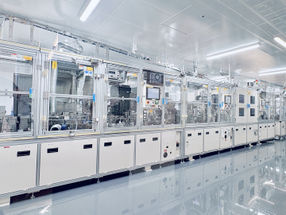
In response to this quickly rising demand, Asahi Kasei completed the construction of a new plant producing PIMEL™ photosensitive polyimide in Fuji City, Shizuoka Prefecture, in December 2024.
Since then, the company has decided to expand production in Fuji City further, doubling the 2024 capacity by 2030. This expansion is expected to significantly improve the supply resilience of essential materials in the manufacturing of semiconductors. Asahi Kasei will invest approximately ¥16 billion in this expansion.
Nobuko Uetake, Senior Executive Officer of Asahi Kasei and key leader in the company’s electronics materials business, commented, “The rapid growth of generative AI and other advanced technologies is driving unprecedented demand for semiconductor materials like PIMEL™ PSPI. This investment positions Asahi Kasei to capture that growth by enhancing our supply capability and reinforcing our role as a reliable partner to global semiconductor manufacturers. It supports our broader strategy to build long-term value in high-growth, high-impact sectors.”


Other news from the department manufacturing








These products might interest you