Biodegradable polymers: Andreas Künkel receives the Meyer-Galow Prize for Industrial Chemistry 2025
Advertisement


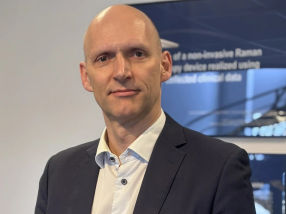
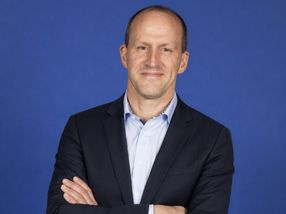
Professor Dr. Andreas Künkel, BASF SE, Vice President, Head of Biodegradation & microplastics Research is awarded the Meyer-Galow Prize for Industrial Chemistry 2025. He receives the prize for the further development of structural and functional biodegradable polymers. The prize is awarded by the foundation of the same name at the German Chemical Society (GDCh) and is endowed with 10,000 euros.
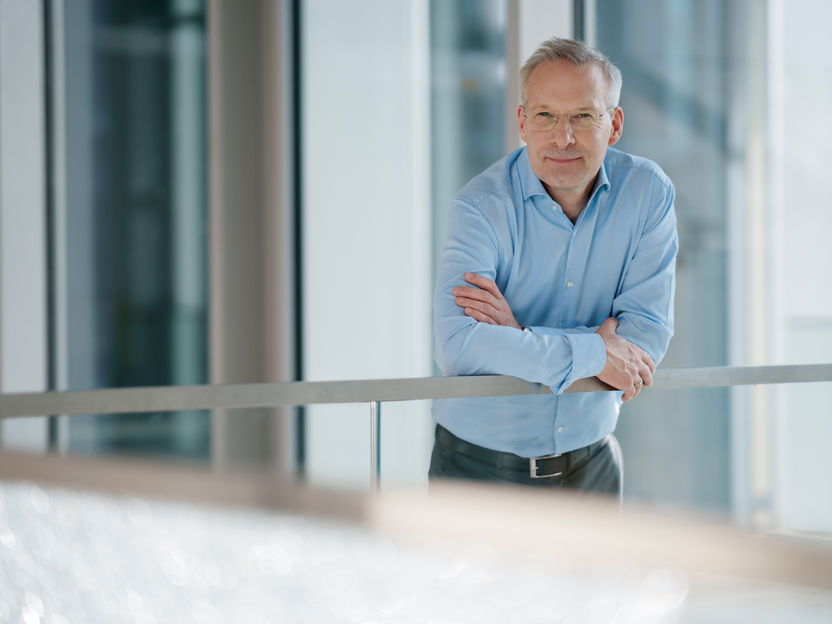
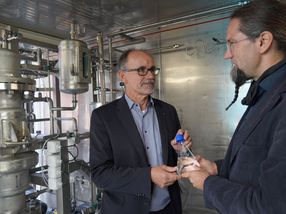
Prof. Dr. Andreas Künkel Vice President, Head of Biodegradation & Microplastics Research has won the Meyer-Galow Prize for Business Chemistry 2025.
BASF
Biodegradable polymers play an important role in the manufacture of sustainable products and thus for a functioning circular economy. A distinction is made between structural and functional biodegradable polymers. Structural biodegradable polymers are biodegradable plastics that are used to produce mulch films, for example. An important field of application for functional polymers are ingredients of detergents, dishwashing detergents and cosmetics that end up in wastewater treatment plants at the end of their life cycle.
In order to develop biodegradable structural and functional polymers and successfully launch them on the market, three conditions must be met. Firstly, the products must fulfill the required technical properties and at the same time be biodegradable. Secondly, biodegradability must be certified in accordance with agreed standards. Thirdly, it is just as important that biodegradable polymers are accepted as a sustainable solution by customers, politicians and the general public.
This requires a fundamental understanding of the chemistry and biological processes involved in biodegradability. Together with his team, other BASF colleagues and external academic partners, Andreas Künkel has gained important new insights through research and development work over the past 19 years. This included how the chemical structure of polymers influences their degradation. Künkel has also researched how polymers are degraded in different environments. He pursues a holistic approach that combines biology and chemistry using digital tools in order to gain a deep understanding of biodegradability in technical systems (compost and wastewater treatment plants) and natural systems (soil, sea). This holistic approach is continuously developed internally at BASF and through collaborations with academic partners.
The soil-degradable mulch film (made from BASF's ecovio ® M2351 material) is an example of how this approach has been put into practice in the market and has led from a fundamental scientific understanding to a certified product. BASF has developed ecovio for mulch films so that they can be used in agriculture for different crops. The material meets all technical requirements and increases agricultural yields. At the same time, Andreas Künkel and his team have contributed to the development of realistic standards for biodegradable polymers in the soil and increased social acceptance of the topic. They have published their scientific findings not only in specialist journals, but also to a wide audience. Künkel and his partners are also successfully applying this holistic approach of chemistry, biology and digitalization to functional biodegradable polymers.
Note: This article has been translated using a computer system without human intervention. LUMITOS offers these automatic translations to present a wider range of current news. Since this article has been translated with automatic translation, it is possible that it contains errors in vocabulary, syntax or grammar. The original article in German can be found here.


Other news from the department research and development