LANXESS starts up new plant for ion exchange resins in India
Advertisement


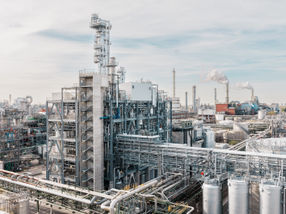
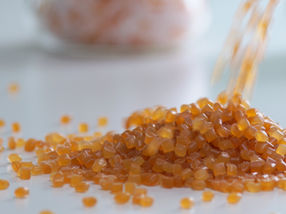
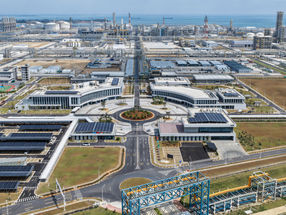
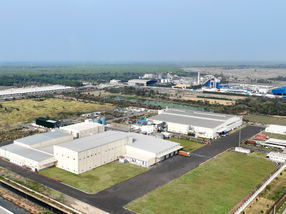
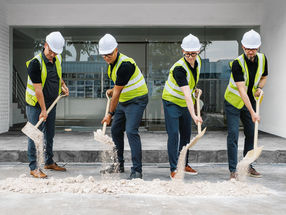
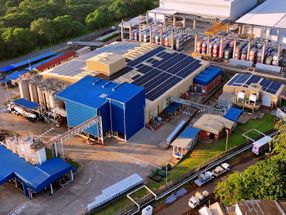
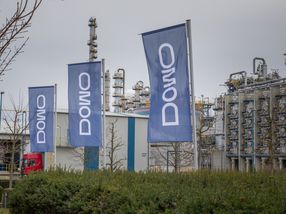
LANXESS opened Asia’s most state-of-the-art plant for ion exchange resins in India. The new plant was constructed over a period of two years in the new chemical park in Jhagadia in the Indian state of Gujarat. It boasts an annual capacity of 35,000 metric tons. Around 200 employees from the Ion Exchange Resins (ION) business unit manufacture products for industrial water treatment for the semi-conductor and pharmaceutical industries, the food sector and the power industry. The opening marked the successful completion of the second expansion phase in Jhagadia. The first project phase, which was completed in March of this year, saw a rubber chemicals production plant taken into operation. Overall, LANXESS has invested around EUR 50 million in the site to date.
“Demand for clean water is set to increase by around one-third worldwide by 2030. In Asia in particular, and in India especially, demand will grow disproportionately due to rapid population growth and increasing urbanization,” said Chairman of the LANXESS Board of Management Axel C. Heitmann at the official opening ceremony, which was also attended by the State Premier of the Indian state of Gujarat. “Production has therefore started at exactly the right time to benefit from this development.”
The new plant was constructed on an area totaling 30,000 square meters by up to 1,800 workers. Around 5,000 metric tons of steel and 400 kilometers of electric cable were used in the construction of the approximately 40-meter high production building in a process requiring nine million working hours. The wastewater is pre-cleaned in a separate wastewater treatment plant by LANXESS before it is released into the chemical park’s wastewater system. Huge amounts have been invested in environmentally friendly energy generation. LANXESS uses a cogeneration plant for the company’s own power station. This is run on natural gas. “We are also setting new benchmarks for sustainable production,” said Heitmann. “In total, around 20 percent of total construction costs were used for sustainability projects.”


Other news from the department manufacturing