Nobel Prize in Chemistry: How protein discoveries benefit research at BASF
Computational protein design and protein structure prediction speed up day-to-day research
Advertisement


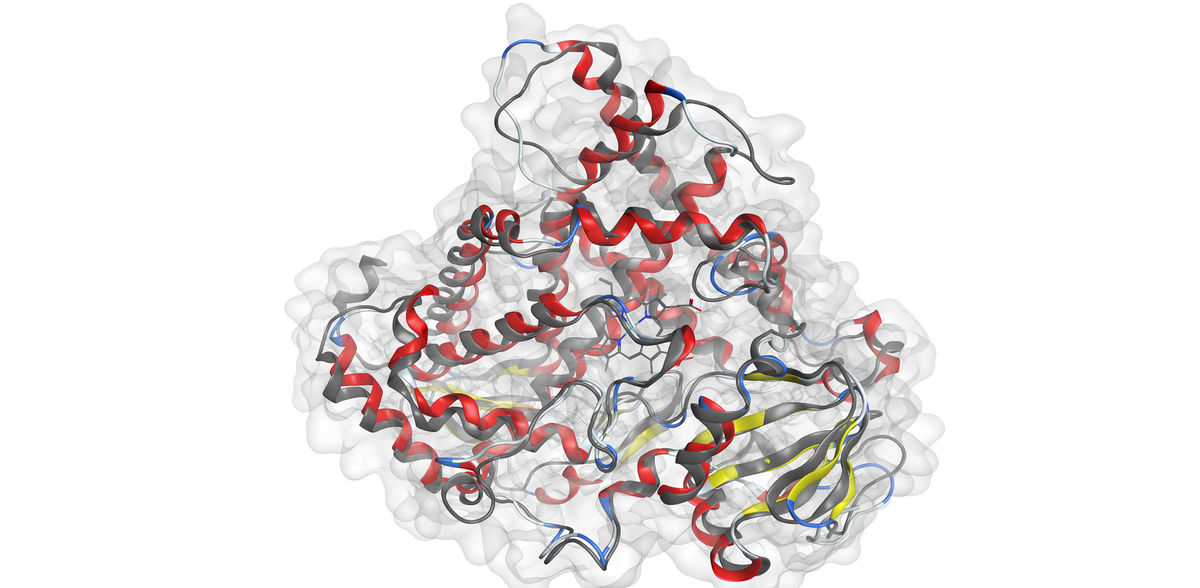
On December 10, the Royal Swedish Academy of Sciences will award this year’s Nobel Prizes in Stockholm, Sweden. The prizes for chemistry this year are all about proteins, considered the building blocks of life. David Baker (University of Washington, Seattle, USA; Howard Hughes Medical Institute, USA) who is awarded with one half of the Nobel Prize, succeeded in building entirely new proteins with the help of the computer software Rosetta. Demis Hassabis and John Jumper (both Google DeepMind, London, United Kingdom) are jointly awarded with the other half of the Nobel Prize for the development of AlphaFold2, an artificial intelligence (AI) model that predicts proteins’ complex structures.
Both discoveries hold enormous potential for BASF, where understanding protein structure has been fundamental for developing new products for decades. With the help of new technologies like Rosetta and AlphaFold2 researchers can now better predict, design and optimize for example new plant traits and crop protection products – potentially faster and with even better efficacy than with conventional protein structure prediction tools. “It can take decades to develop a new trait that makes crops resistant to pests, or to create a new chemistry that controls diseases, pests or weeds. Protein research is critical to trait and crop protection R&D, and we are already leveraging these new AI tools to accelerate the development of effective solutions for farmers and our food supply,” says Dr. Jürgen Huff, Senior Vice President Global R&D and Regulatory at BASF Agricultural Solutions. “As an innovation driven company benefitting from their work, we congratulate the laureates for their awards”.
The possibility to design new protein sequences after having an accurate three-dimensional structure streamlines BASF’s protein engineering and design pipeline. “Being able to predict protein structure enables the early adoption of several computational tools for protein modelling at the beginning of a research project,” says Dr. Stefan Seemayer, Team lead for computational protein engineering at BASF. “We can calculate thousands of hypotheses, for example for the most effective trait to confer resistance to a pest, and select high-quality designs from the generated ones, reducing our testing efforts,” he adds.
The code for Rosetta is publicly available, so a global research community has continued to develop the software since its publication in 2003, finding new areas of application. The Nobel Committee also acknowledged that AlphaFold2 is being used by more than two million people from 190 countries.



Other news from the department research and development










These products might interest you


Most read news









More news from our other portals



























Last viewed contents

Golden Ball Mills as Green Catalysts - A gold-coated grinding bowl proves to be a real marvel
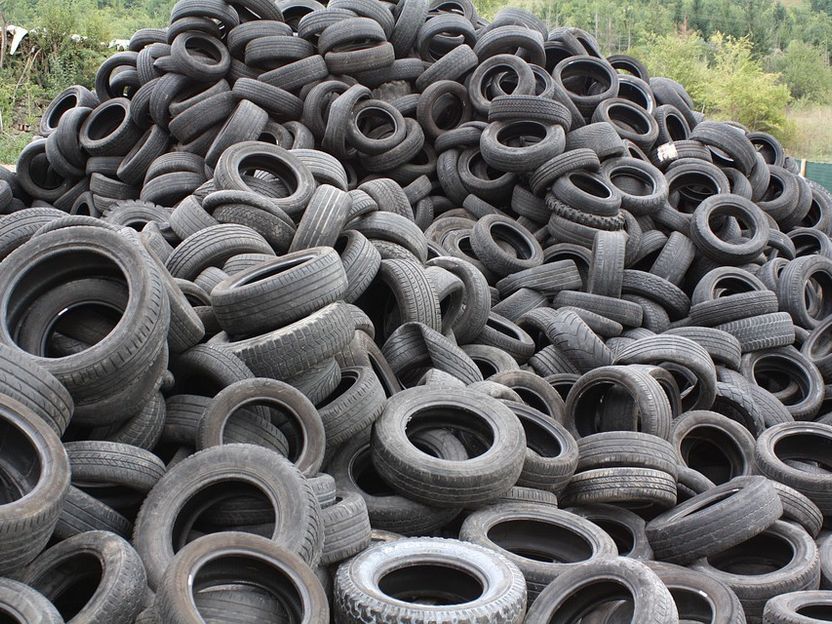
Fibers from old tires can improve fire resistance of concrete

Consortium develops evolutionary concept for recycling of end-of-life polyurethane mattress foams - Ecomaison, Covestro, Secondly and Federal Eco Foam launch research project

Controversial Mass Products: Ceresana Analyzes the Global Market for Plasticizers
New metal-free, recyclable polypeptide battery that degrades on demand - Breakthrough could lead to battery production moving away from cobalt
Shedding light on mechanisms of electrochemical energy storage - UV-visible spectroscopy gives researchers a tool to study battery materials - a breakthrough that could speed the design of higher performing energy storage devices
Researchers discover new ultra strong material for microchip sensors - A material that doesn't just rival the strength of diamonds and graphene, but boasts a yield strength 10 times greater than Kevlar

Brown chemists report promising advance in fuel-cell technology

Climate pioneers cooperate to produce solar fuels - INERATEC joins forces with Synhelion

Micro- and nanoplastics in the body are passed on during cell division - That plastic may increase metastasis of tumors
Search for new semiconductors heats up with gallium oxide