Building Connections: Advancing Transformative Chemistry Together
Fraunhofer, Max Planck, and Boehringer Ingelheim Continue the "Electrification of Technical Organic Syntheses" (ETOS) Future Cluster
Advertisement


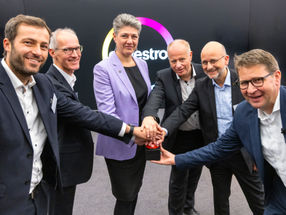
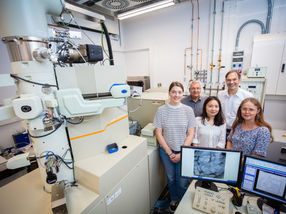
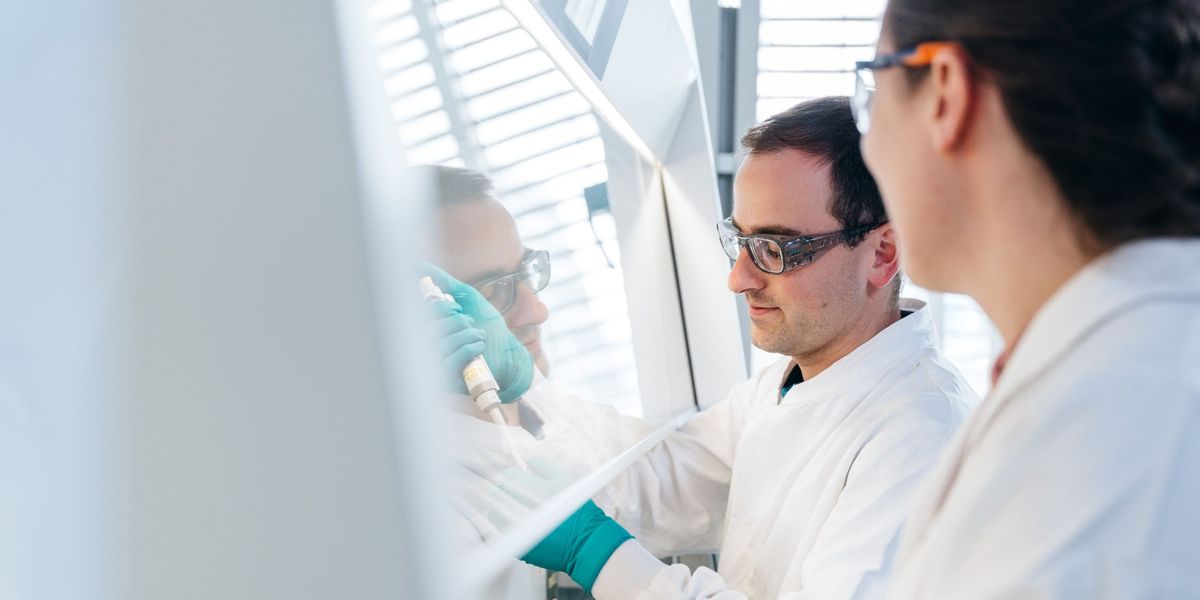
By continuing the ETOS Cluster, the Fraunhofer Institute for Microtechnology and Microsystems IMM, the Max Planck Institute for Chemical Energy Conversion, and Boehringer Ingelheim are sending a strong signal that Germany is a hub for innovation in process chemistry. The goal is to electrify chemical and biocatalytic processes as a key technology for a modern and sustainable industry.
Reduced Effort in Active Ingredient Production
Complex organic molecules are of great societal importance. They are often found, for example, as medications in pharmacies. Their production is frequently very labor-intensive and requires significant resources. Electrosynthesis, as an emerging technology, could provide a solution here. If it proves suitable for industrial application, it has the potential to become a key technology for the chemical and pharmaceutical industries and to enable more sustainable production processes.
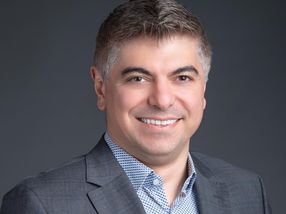
However, electrosynthesis still poses a challenge for the production of chemical drugs on an industrial scale. This is precisely where Fraunhofer, Max Planck, and Boehringer Ingelheim intend to tackle the challenge together: “With the second funding phase of the ETOS Cluster, we are laying the groundwork for integrating electrochemical technology into pharmaceutical development. Together, we aim to make processes more cost-effective over the long term. We are pleased to be advancing two specific research projects with Fraunhofer IMM and the MPI CEC,” explains Dr. Rong Zhao, a process chemist at Boehringer Ingelheim.
Important for the Production of Medicines
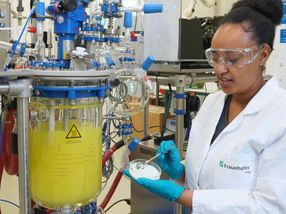
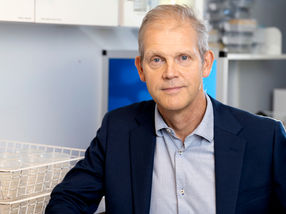
A key initiative is the joint BECBI project, which is researching the electrochemical regeneration of the cofactor NADPH for biocatalytic processes. By utilizing novel electrode architectures and continuous reactor technology, Fraunhofer IMM aims to develop a scalable, efficient, and resource-conserving process within 36 months. “The combination of electrochemical processes and continuous process control offers great potential for sustainable synthetic routes,” says Dr. Thomas H. Rehm, group leader at Fraunhofer IMM.
The collaboration with the Max Planck Institute focuses on the electrochemical synthesis of key building blocks of organic molecules, known as heterocycles, such as pyrazoles and triazoles. In this context, the electrochemical formation of nitrogen-nitrogen bonds is being investigated, and the properties of nitrogen-containing functional groups are being utilized to synthesize pharmacologically relevant heterocycles. “Over a period of 36 months, the ESYN4HET consortium is developing electrosynthetic methods that are both technically feasible for industrial processes and meet the pharmaceutical industry’s high standards for product quality and process robustness,” explains Prof. Dr. Siegfried Waldvogel of the Max Planck Institute for Chemical Energy Conversion.
Note: This article has been translated using a computer system without human intervention. LUMITOS offers these automatic translations to present a wider range of current news. Since this article has been translated with automatic translation, it is possible that it contains errors in vocabulary, syntax or grammar. The original article in German can be found here.


Other news from the department research and development