Pyrolysis oil instead of crude oil: Faster fluorine analysis reduces the risk for refineries
New method solves a key analytical challenge
Advertisement


The chemical industry is currently undergoing one of the most profound transformations in its history. While discussions in Europe often focus on rising energy costs and increasing regulatory burdens — challenges that can be addressed through political measures — another key issue is frequently overlooked: the long-term security and sustainability of chemical feedstocks. In a world shaped by geopolitical instability across all major oil producing regions and by growing public pressure to use resources responsibly, the circular economy has become a fundamental strategic priority.
A central pillar of this circular approach is the conversion of plastic waste into useful raw materials. Through pyrolysis at elevated temperatures and pressures, plastics and other waste streams can be transformed into waste plastic pyrolysis oil (WPPO) and pyrolysis gas. Both are valuable feedstocks that can be reintegrated into the chemical value chain. This process allows waste materials to be converted into new raw materials through energy input, reducing — and in the long run potentially eliminating — the reliance on crude oil and natural gas. Such developments are especially beneficial for regions heavily dependent on fossil imports, including Europe, India, and East Asia.
However, the use of WPPO as a substitute for crude oil introduces new analytical challenges. Unlike natural petroleum, pyrolysis oils contain a variety of substances originating from additives used during the plastics’ first life cycle. One particularly critical element is fluorine. While almost absent in mineral oils, fluorine concentrations in pyrolysis oils can vary significantly depending on the input waste. Even at low levels, fluorine poses a serious threat in refinery processes, acting as a catalyst poison and causing severe corrosion. Reliable and fast analytical techniques are therefore essential to monitor fluorine content and protect downstream operations.
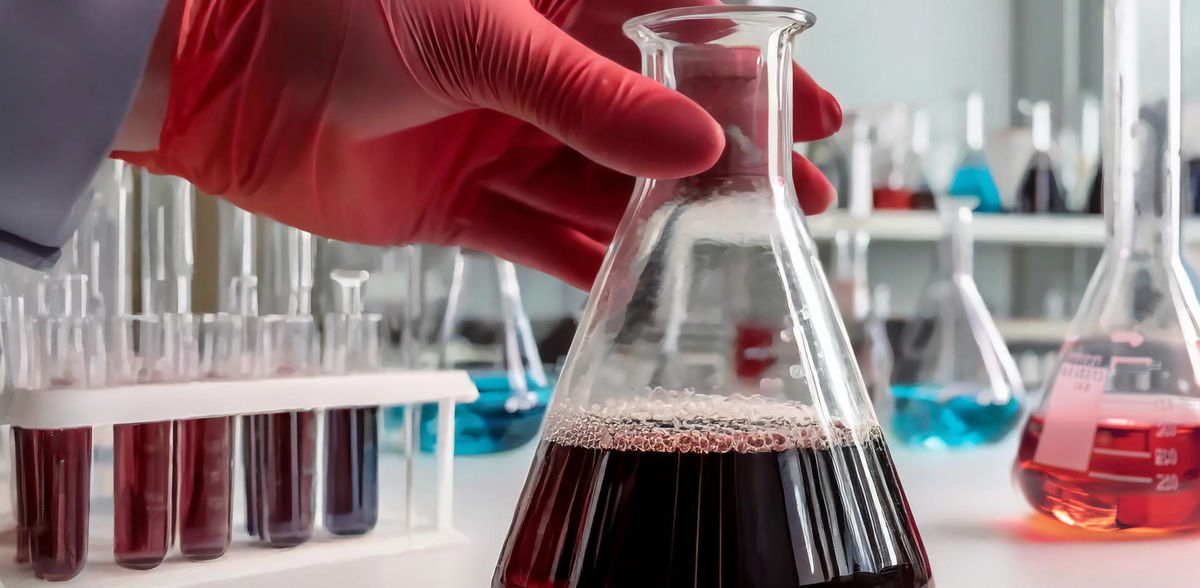
Traditionally, fluorine determination has relied on combustion ion chromatography (CIC), a proven but time-intensive method. In response to the industry’s demand for faster and more efficient analytics, a new solution has been developed that combines pyrohydrolytic high temperature combustion with High-resolution Continuum Source Molecular Absorption Spectrometry (MAS). In this approach, WPPO samples are combusted at high temperatures in the presence of water, allowing fluorine to be captured in an aqueous solution in a uniform and stable form while eliminating the complexity of the organic matrix. Gallium is added to form gallium fluoride molecules, which are then detected with high sensitivity using MAS. This technique enables fluorine analysis on standard atomic absorption spectrometry (AAS) systems, significantly reducing the instrumental footprint and operational cost compared to conventional setups.
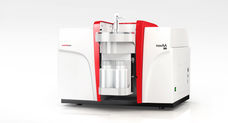
The method is implemented using two complementary instruments: the ICprep, equipped with self-optimizing combustion control, and the contrAA 800 G, which can operate both as a MAS system and as a fully capable AAS system.
Investigations have shown that the combined ICprep–contrAA approach achieves sensitivity and accuracy comparable to established CIC methods while significantly increasing throughput due to shorter analysis times. With this new method, fluorine in pyrolysis oils can be monitored more rapidly, reliably, and efficiently, supporting the broader integration of circular feedstocks into the petrochemical value chain. By enabling fast and robust fluorine analytics, the solution removes a key barrier to the widespread adoption of pyrolysis oils and strengthens the industry’s path toward a more sustainable and resilient future.


Other news from the department research and development













These products might interest you

Most read news










More news from our other portals



























Last viewed contents

Research guides future of plastic waste chemical recycling

The competitiveness of low-carbon fuels depends on location - New infrastructure could boost European production

Deep tech startup Reduciner introduces novel technology to turn captured carbon into sustainable fuels - Raising 3.6 million euros in its initial funding round, the Finnish startup plans to build its first industrial-scale pilot
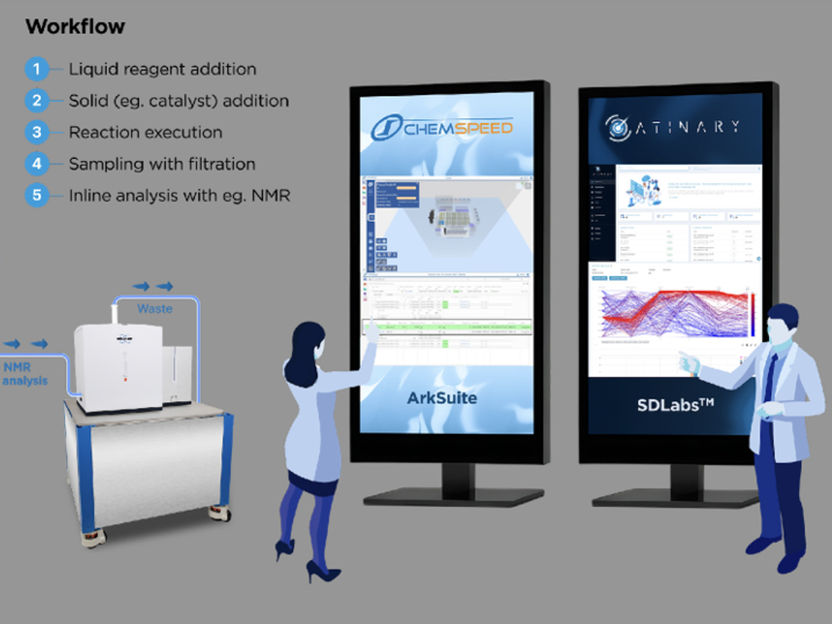
Bruker announces strategic collaboration with Atinary Technologies to advance self-driving laboratories

FUST Lab Receives Investment from Asia2G Capital - The Korean deep-tech company plans to use the capital to expand into the U.S., European, and Japanese markets

ACHEMA Middle East: Debut in Saudi Arabia not until 2027 - Messe Frankfurt Saudi Arabia and DECHEMA are responding to regional uncertainties and are also changing the venue

New core-shell design for anodes significantly increases performance of sodium-ion batteries - Researchers coat porous carbon with a filter-like layer that allows sodium ions to pass through while keeping disruptive electrolyte molecules out

New "chemical armor" could unlock the holy grail of solid-state battery technology - A simple one-step coating builds a silicon-indium hybrid shield on lithium metal, quadrupling current density and extending battery cycle life
Scientists unveil mechanism behind greener ammonia production
Siemens to digitalize one of Europe's largest renewable hydrogen projects - Physics-based digital twin and real-time optimization

Collaboration between University of Bristol and Malvern Panalytical - Bringing academia and business together to solve global challenges