
 Verified
AA100
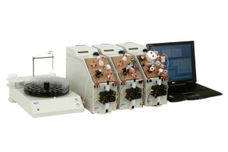
Compact AutoAnalyzer for precise photometric determinations
High efficiency: Up to 100 tests per hour, ideal for laboratories with high sample volumes.
Precision: Low detection limits and high reproducibility for accurate results.
Compact design: Saves bench space and is user-friendly for easy handling.
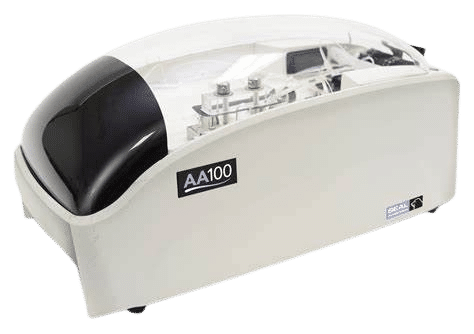
Efficient analysis of nitrogen, cyanide, phenol index, nitrate, nitrite, phosphate, protein
The AutoAnalyzer 100 is used worldwide in laboratories in industry, environmental monitoring and universities for automatic photometric analysis. Typical applications include the determination of cyanide, phenol and N and P compounds in water and soil samples. Many of these methods are DIN / ISO compliant.
The AutoAnalyzer 100 combines automated sample clean-up with very low detection limits in a space-saving device which is also ideal for small laboratories.
Advantages of the AutoAnalyzer 100 over conventional CFA devices:
- State of the art LED photometer
- Integrated distillation and UV digestion
- Methods comply with ISO, DIN, EPA and AOAC procedures
- Economically priced
The unit features easy operation and low cleaning and maintenance.
System control, evaluation and processing of the results is carried out with a new version of the proven AACE software.
1
AutoAnalyzer AA100
Request information about AA100 now
AutoAnalyzers: AA100
Compact AutoAnalyzer for precise photometric determinations

Product classification AA100
Product categories
Applications
Manufacturers of similar products


Find more AutoAnalyzers and related products
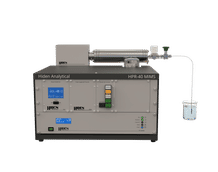
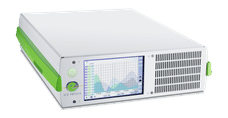
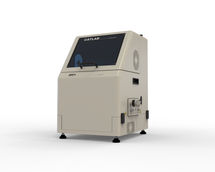


Find AA100 and related products in the theme worlds
Topic world Photometry
Photometry, the measurement of light intensity in relation to interaction with molecules, is a key tool in chemistry and life sciences. It enables researchers to determine concentrations of substances in solutions, follow reaction kinetics or check the quality of samples and provides valuable data for analyses, from quality control in the laboratory to clinical diagnostics.

Topic world Photometry
Photometry, the measurement of light intensity in relation to interaction with molecules, is a key tool in chemistry and life sciences. It enables researchers to determine concentrations of substances in solutions, follow reaction kinetics or check the quality of samples and provides valuable data for analyses, from quality control in the laboratory to clinical diagnostics.