Insolvency overcome: DOMO site in Premnitz finds investor
Lone Star Funds secures 50 chemical jobs

Advertisement


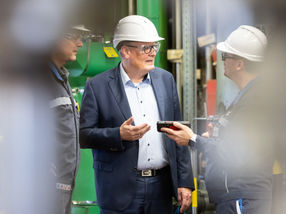
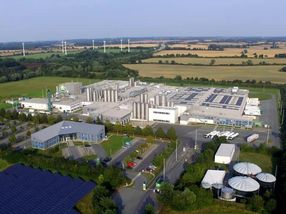
The DOMO engineering plastics GmbH site in Premnitz has a future again: Insolvency administrator Prof. Dr. Lucas F. Flöther from the law firm Flöther & Wissing has reached an agreement with an investor to take over the business operations. The site and 50 jobs will thus be retained. The business operations have already been handed over.
"With the takeover, the Premnitz site now also has a perspective outside of insolvency again," emphasized Flöther. "I am particularly pleased that the majority of jobs have been saved despite the tense situation in the chemical industry." The creditors and the relevant antitrust authorities have already given their approval. Now that the French insolvency court, where the insolvency proceedings of DOMO's sister company Polytechnyl are pending, has also given its approval, the transfer to a new, insolvency-free company has been completed.
The acquiring company is backed by the internationally oriented investor Lone Star Funds, which is experienced in the industry. The takeover of the Premnitz site is part of an overall takeover with which the acquirer is taking over further parts of the globally active DOMO Group. With regard to the 20 employees who are not part of the investor solution, a reconciliation of interests with a social plan was concluded with the works council.
DOMO Engineering Plastics GmbH in Premnitz is the remaining operating company of DOMO Chemicals in Germany. The Group's German subsidiaries had filed for insolvency on Boxing Day 2025 and were continued by the insolvency administrator. At the end of March, Flöther sold the business operations of sister company DOMO Carproleuna to an investor. In the process, 436 jobs were saved.
Polyamide 6 plastics are processed at the DOMO site in Premnitz. The company produces compounds, i.e. engineering plastics in which polyamide 6 is specifically combined with additives. This allows properties such as strength, heat resistance, rigidity or impact resistance to be precisely adjusted. Such compounds are mainly used in the automotive, electrical and consumer goods industries.
Note: This article has been translated using a computer system without human intervention. LUMITOS offers these automatic translations to present a wider range of current news. Since this article has been translated with automatic translation, it is possible that it contains errors in vocabulary, syntax or grammar. The original article in German can be found here.


Other news from the department business & finance