How plastic waste transforms into higher-value products
ETH chemists have developed a simple process for upcycling polyethylene and polypropylene waste into high-performance adhesives

Advertisement


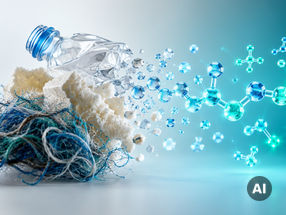
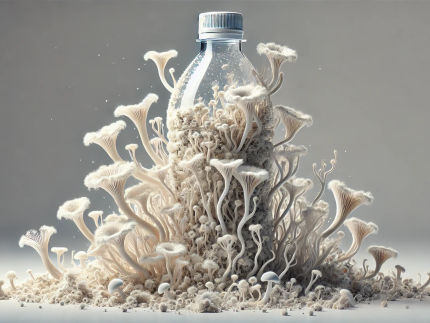
A team of researchers at ETH Zurich is upcycling waste made from polyethylene and polypropylene – two of the world’s most used plastics – into an extremely strong adhesive – and much more besides.
Around 450 million tonnes of plastics are produced worldwide each year. The major share of this sheer volume is used only once and then winds up in an incinerator or on landfill sites. This also applies to so-called polyolefins, which include polyethylene (PE), and polypropylene (PP). As packaging materials and films, they account for approximately half of our plastic consumption.
Downcycling or high energy consumption
Although polyolefins can be melted down and recast into new shapes, this process results in significant quality losses. The dyes in the waste impart a dark color to the recycled material, while the heating process damages its quality: as a result, the material is only suitable for low-grade applications such as plant pots or paving slabs.
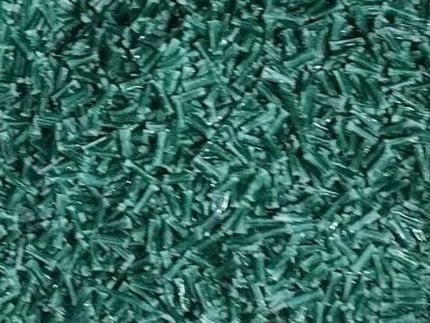
So far, it has proved impossible to selectively break down polyolefins into their basic building blocks – the monomers – from which new, high-quality polymers could be synthesised. Olefins, which consist exclusively of carbon and hydrogen, lack the oxygen, nitrogen or chlorine atoms required for targeted cleavage reactions. To date, the only feasible method is random breakdown by way of an energy-intensive heating process known as pyrolysis. This produces petroleum-based feedstocks from which the monomers must be rebuilt.
Upcycling into high-performance adhesives
Now, a team of researchers led by polymer chemist and ETH professor Tae-Lim Choi has developed a process that allows polyolefins to be upcycled into higher-value plastics, rather than simply being recycled in a manner that reduces their value. To achieve this, they graft additional polymer chains with new functionalities onto the plastics. ETH Zurich has patented the process and nominated it for the Spark Award. With this prize, the university honours the most promising patent application of the year.
Hongsik Kim, the senior scientist in Choi’s group who was primarily responsible for developing the method, produced adhesives as the first product using standard plastic bags and bottles. Their adhesive strength with various materials such as metal, glass or wood meets the requirements for an industrial adhesive employed in load-bearing and high-stress joints in vehicle or equipment manufacturing. The range of potential applications, however, is much broader: the additional polymer chains allow the entire spectrum of chemical functionalities to be introduced into polyolefins; from polar groups that interact with water to varying degrees, through acids and bases, to chemical groups capable of undergoing very specific reactions.
Reactive chlorine atoms activate polymer chains
Chlorinated solvents are key chemical component of the process. When irradiated with short-wavelength light, these solvents can generate highly reactive individual chlorine atoms, known as radicals. These transfer their reactivity to carbon atoms in the polyolefin chains, resulting in carbon radicals, which can be used as a starting point for the synthesis of additional polymer chains.
The idea of using chlorinated solvents to create reactive sites in the polyolefin chains stems from a collaboration between Choi and the group led by Athina Anastasaki, Professor of Sustainable Polymers at ETH Zurich. She has applied this principle to the recycling of acrylic glass, also known under the brand name Plexiglas.
Simple and precisely controllable
The major advantages of the newly patented method are the fact that it is extremely simple, does not require expensive special reagents or catalysts, and does not necessitate high process temperatures.
The entire process takes place in a single step: the plastic waste is dissolved in a chlorinated solvent, after which the monomers required for the synthesis of the desired graft polymer are added.
Furthermore, the process can be precisely controlled: “We are able to control how many radicals are generated – and consequently how many sites in the polyolefin chains are activated for grafting – by adjusting the degree of chlorination of the solvent and the wavelength of the light as required,” explains Kim.
Plastics with new properties become possible
In addition to the adhesive that has now been produced, many other applications of the technology are conceivable, as Choi goes on to explain: “The adhesive is a first-generation product. In the future, plastics with entirely new properties will be possible. In principle, additional polymers with every conceivable chemical functionality can be grafted onto polyolefins.”
Since the patent was published six months ago, the researchers have already established numerous contacts with industry. One specific collaboration concerns food packaging made from polyolefin plastics, which will not only be waterproof but also prevent oxygen from penetrating. As a result, food oxidises less in the freezer (‘develops less tarnish’) than is the case with current polyethylene and polypropylene packaging.
Adhesive capable of improving recycled products
And the adhesive functionality of the first product also opens up additional potential, according to Kim: “As a binding agent, such materials could, among other things, bond low-grade recycled plastic into a much more durable – and therefore higher-quality – material.”
Original publication


Other news from the department science









These products might interest you