Sustainable Polyester Made from Cellulose
TU Darmstadt Wins the VDI chemPLANT Competition
Advertisement


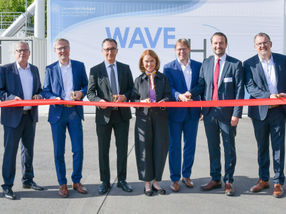
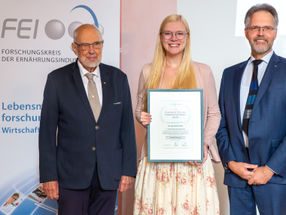
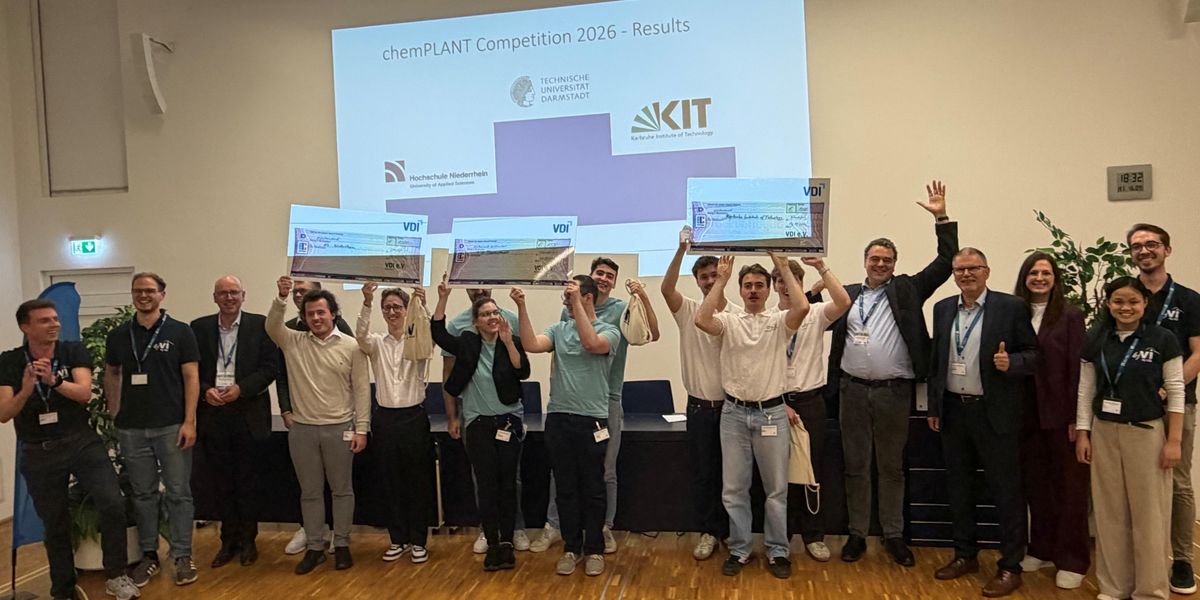
The team from the Technical University of Darmstadt won the 9th VDI chemPLANT Competition for students. The teams were challenged to develop innovative manufacturing processes for monomers derived from cellulose that are suitable for the production of polyesters.
This year’s challenge was titled “POLYchem: From Cellulose to Monomer/Polymer.” The competition took place on September 16, 2026, as part of the DECHEMA Forum in Frankfurt am Main.
Second and third place went to the Niederrhein University of Applied Sciences and the Karlsruhe Institute of Technology (KIT). A total of 3,500 euros in prize money was awarded.
Sustainable Polyesters from Cellulose
The focus of the 2026 chemPLANT challenge was the development of an innovative process that produces a freely selectable monomer for polyester production from cellulose. Participants were asked to demonstrate
- which polyesters or copolyesters can be produced from the synthesized monomer,
- what properties these materials exhibit in potential application areas,
- whether they can serve as equivalent replacements for fossil-based polymers or enable new materials with improved properties,
- what the potential market for the developed materials might look like,
- to what extent sustainable or fossil-based feedstocks are required,
- how thecarbon footprint compares to that of a fossil-based reference polymer, and
- how the required purity of the monomer for subsequent polymerization is ensured.
The chemPLANT competition is aimed at students of process engineering, chemical engineering, and related disciplines. It combines current issues in the chemical industry with engineering practice. The teams develop processes, evaluate technical, environmental, and economic aspects, and present their concepts to a panel of expert judges. The concept competition organized by the VDI Society for Process Engineering and Chemical Engineering (GVC) promotes exchange between universities and industry and enables aspiring engineers to apply their expertise to current challenges.
Note: This article has been translated using a computer system without human intervention. LUMITOS offers these automatic translations to present a wider range of current news. Since this article has been translated with automatic translation, it is possible that it contains errors in vocabulary, syntax or grammar. The original article in German can be found here.


Other news from the department science