Turning plastic bags into high-tech materials
University of Adelaide researchers have developed a process for turning waste plastic bags into a high-tech nanomaterial
Advertisement


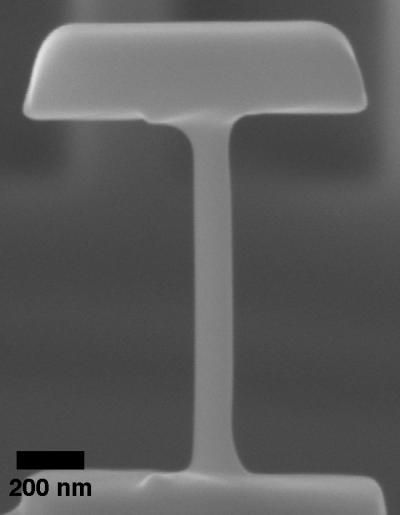
The innovative nanotechnology uses non-biodegradable plastic grocery bags to make 'carbon nanotube membranes' - highly sophisticated and expensive materials with a variety of potential advanced applications including filtration, sensing, energy storage and a range of biomedical innovations.
"Non-biodegradable plastic bags are a serious menace to natural ecosystems and present a problem in terms of disposal," says Professor Dusan Losic, ARC Future Fellow and Research Professor of Nanotechnology in the University's School of Chemical Engineering.
"Transforming these waste materials through 'nanotechnological recycling' provides a potential solution for minimizing environmental pollution at the same time as producing high-added value products."
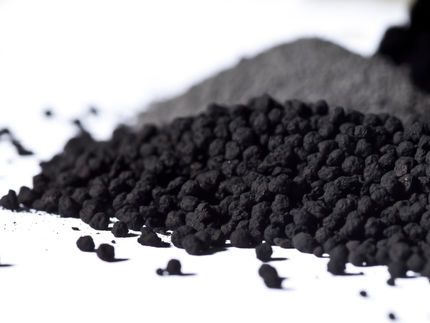
Carbon nanotubes are tiny cylinders of carbon atoms, one nanometer in diameter (1/10,000 the diameter of a human hair). They are the strongest and stiffest materials yet discovered – hundreds of times stronger than steel but six times lighter – and their unique mechanical, electrical, thermal and transport properties present exciting opportunities for research and development. They are already used in a variety of industries including in electronics, sports equipment, long-lasting batteries, sensing devices and wind turbines.
The University of Adelaide's Nanotech Research Group has 'grown' the carbon nanotubes onto nanoporous alumina membranes. They used pieces of grocery plastic bags which were vaporized in a furnace to produce carbon layers that line the pores in the membrane to make the tiny cylinders (the carbon nanotubes). The idea was conceived and carried out by PhD student Tariq Altalhi.
"Initially we used ethanol to produce the carbon nanotubes," says Professor Losic. "But my student had the idea that any carbon source should be useable."
The huge potential market for carbon nanotubes hinges on industry's ability to produce large quantities more cheaply and uniformly. Current synthesis methods usually involve complex processes and equipment, and most companies on the market measure production output in only several grams per day.
"In our laboratory, we've developed a new and simplified method of fabrication with controllable dimensions and shapes, and using a waste product as the carbon source," says Professor Losic.
The process is also catalyst and solvent free, which means the plastic waste can be used without generating poisonous compounds.
This research has been published online ahead of print in the journal Carbon.


Other news from the department science








These products might interest you



Most read news






More news from our other portals




















See the theme worlds for related content
Topic world Synthesis
Chemical synthesis is at the heart of modern chemistry and enables the targeted production of molecules with specific properties. By combining starting materials in defined reaction conditions, chemists can create a wide range of compounds, from simple molecules to complex active ingredients.
Topic world Synthesis
Chemical synthesis is at the heart of modern chemistry and enables the targeted production of molecules with specific properties. By combining starting materials in defined reaction conditions, chemists can create a wide range of compounds, from simple molecules to complex active ingredients.
Topic World Battery Technology
The topic world Battery Technology combines relevant knowledge in a unique way. Here you will find everything about suppliers and their products, webinars, white papers, catalogs and brochures.

Topic World Battery Technology
The topic world Battery Technology combines relevant knowledge in a unique way. Here you will find everything about suppliers and their products, webinars, white papers, catalogs and brochures.