Demonstration plant for sustainable aviation fuel inaugurated at PSI
Swiss startup Metafuels plans to operate the first commercial facility for producing SAF using “aerobrew” technology starting in 2030
Advertisement


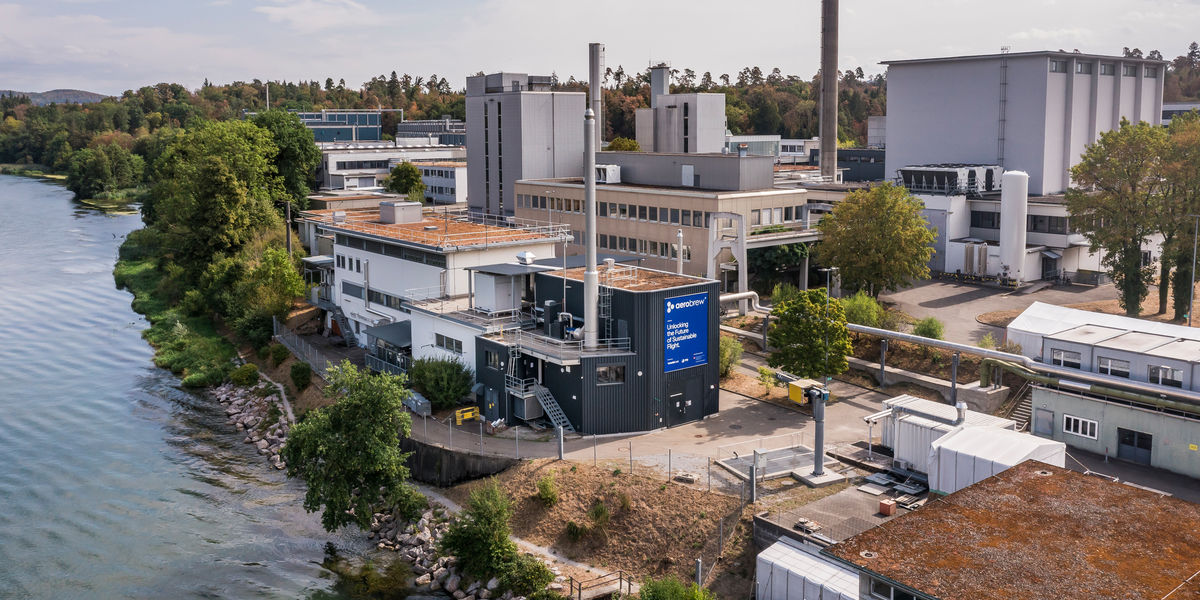
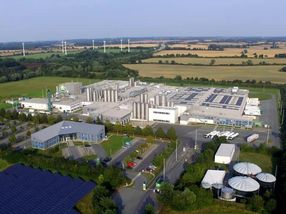
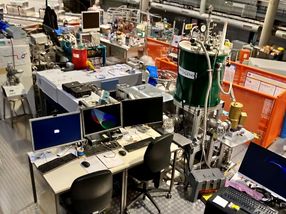
A look ahead to the future of flying: on August 20, the “aerobrew” demonstration plant was officially inaugurated on the campus of the Paul Scherrer Institute PSI. It is a joint project of PSI and the Zurich-based company Metafuels. Here the production of sustainable aviation fuel is being tested and prepared for commercialisation: synthetic kerosene produced in an exceptionally efficient way.
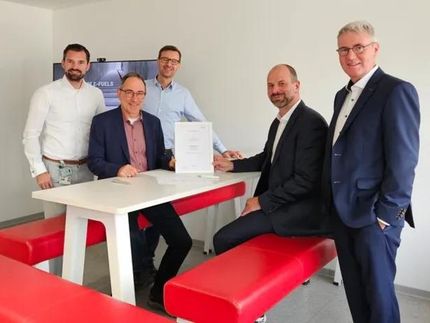
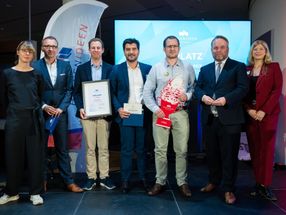
From water, renewable electricity, and carbon dioxide from sustainable sources, high-quality, climate-neutral aviation fuel is to be created. This is the goal of researchers at the Paul Scherrer Institute PSI in collaboration with the Zurich-based company Metafuels. On 20 August 2026 their innovative project bringing science and industry together became tangible with the inauguration of the “aerobrew” demonstration plant on the PSI campus. More than 150 guests from science, politics, industry, and the energy sector attended the inauguration ceremony, including Dieter Egli, a member of the Aargau cantonal government; Francine Zimmermann, director of the Federal Office of Civil Aviation; and Jens Fehlinger, CEO of Swiss International Air Lines (SWISS).
With the new demonstration plant, the emerging “aerobrew” technology is now being operated for the first time in an industrially relevant plant design. This is a novel catalytic process for producing synthetic aeroplane fuel – known as SAF, for sustainable aviation fuel – that PSI researchers and the Metafuels team jointly developed and patented. The project combines scientific research with industrial development in a targeted way to transform new findings into practical applications.

“At PSI, we conduct research for society. The energy transition is one of the major challenges we are currently facing,” says PSI Director Christian Rüegg. “The inauguration of the ‘aerobrew’ demonstration plant is an important milestone on the path to more sustainable aviation. We are proud that our cutting-edge research is making a crucial contribution to this step towards industrial production.”
From green methanol to sustainable fuel
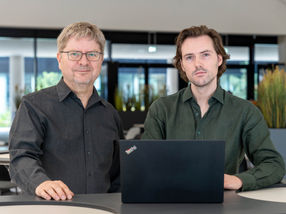
“We have successfully developed ‘aerobrew’ together with Metafuels on a laboratory scale. With our demonstration plant, we are now testing the process under real-world conditions,” says Marco Ranocchiari, a researcher at the PSI Center for Energy and Environmental Sciences, who leads PSI‘s involvement in the “aerobrew” project. “This will allow us to further optimise the technology and create the conditions for industrial production.”
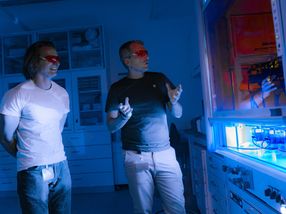
The new plant at PSI is designed to produce 50 litres of SAF per day. It is the world’s first facility to combine all the production steps for synthesising aviation fuel from methanol under one roof.
“International travel and global supply chains will continue to depend on air transport,” explains Saurabh Kapoor, co-founder and CEO of Metafuels. “That’s why we have developed a product that can be integrated into existing airport infrastructure and used in conventional jet engines, while at the same time significantly reducing climate-damaging emissions.” Metafuels plans to bring the first commercial plant for production of SAF using the “aerobrew” technology into operation starting in 2030.
The “aerobrew” process requires no fossil fuels and achieves higher selectivity – a better yield-to-revenue ratio – compared to previously used production methods for SAF. The source materials are water, from which hydrogen is produced using sustainable electricity, and carbon dioxide. The latter can in the short term be sourced from biogenic sources such as wood or plant waste, and in the long term directly from the atmosphere. Hydrogen and carbon dioxide are processed into green methanol. Finally, the “aerobrew” technology comes into play: it generates sustainable kerosene from the green methanol.


Other news from the department science









Most read news








More news from our other portals

















Something is happening in the chemical industry ...
This is what true pioneering spirit looks like: Plenty of innovative start-ups are bringing fresh ideas, lifeblood and entrepreneurial spirit to change tomorrow's world for the better. Immerse yourself in the world of these young companies and take the opportunity to get in touch with the founders.